The Complete Guide to Zero-Trust Document Redaction
The Complete Guide to Zero-Trust Document Redaction
Picture this: A healthcare administrator accidentally shares a patient file, believing they've properly redacted all sensitive information. Days later, a data forensics expert discovers the original social security numbers buried in the document's metadata—fully visible with a simple copy-paste command. This nightmare scenario plays out more often than you'd think, costing organizations millions in HIPAA violations and shattered trust.
Traditional document security operates on a dangerous assumption: that your internal network is safe. But in 2024 alone, nearly 3 billion people had their personal data exposed in breaches, with 64% originating from trusted third-party partners. The truth? Your perimeter doesn't exist anymore. Hybrid work, cloud collaboration, and sophisticated cyber attacks have demolished the castle-and-moat approach to document security.
Enter zero-trust document redaction—a security framework that assumes every document is potentially compromised, every user must prove their identity, and sensitive data requires continuous verification. This comprehensive guide walks you through everything from fundamental principles to real-world implementation strategies. You'll discover why AI-powered tools like Redact-PDF.ai are revolutionizing how organizations permanently remove sensitive information while maintaining GDPR and HIPAA compliance. Whether you're protecting patient records, financial data, or classified government documents, you'll learn actionable steps to transform your document security from a checkbox exercise into an impenetrable defense system.
What is Zero-Trust Document Redaction? Understanding the Fundamentals
Imagine treating every document like it might contain a hidden security threat—even if it came from your most trusted colleague. That's the essence of zero-trust document redaction.
Zero-trust document redaction applies the cybersecurity principle of Never trust, always verify directly to document processing. Unlike traditional redaction methods that rely on manual review or simple keyword searches, this approach assumes that every document is potentially compromised and requires continuous verification before, during, and after the redaction process.
Here's how it differs from conventional methods:
Traditional Redaction:
- Trusts users to identify sensitive data manually
- Relies on perimeter security (firewalls, passwords)
- Assumes internal documents are "safe"
- One-time verification at document entry
Zero-Trust Redaction:
- Automatically verifies every data element regardless of source
- Applies least privilege access throughout the workflow
- Treats all documents as untrusted until proven clean
- Implements continuous monitoring and validation
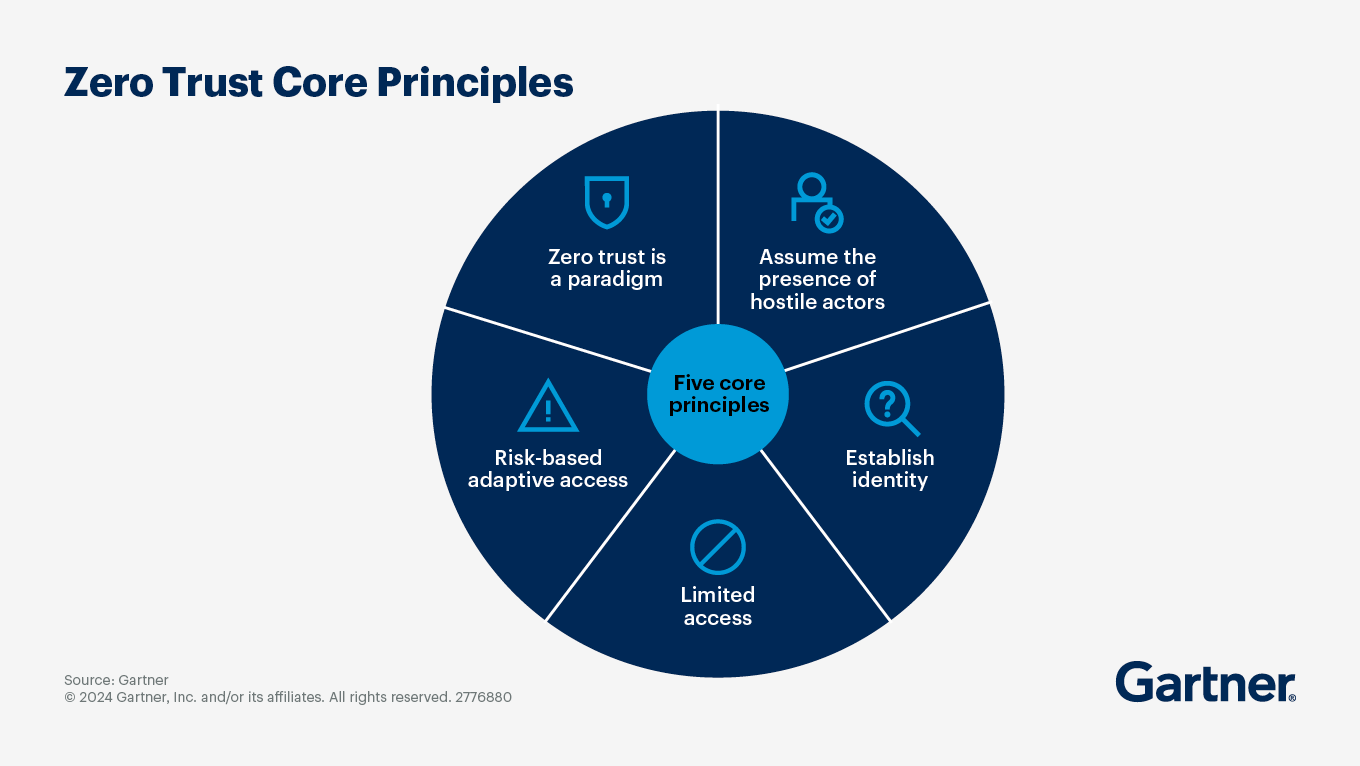
The zero-trust security model operates on the assumption that no user, device, or document should be trusted by default—whether inside or outside your network. For document redaction, this means every file undergoes rigorous automated scanning and verification, regardless of who created it or where it originated.
Tools like Redact-PDF.ai embody these principles by using AI-powered detection that automatically identifies sensitive information like names, emails, and phone numbers without requiring manual review. Their encrypted uploads, automatic file deletion, and GDPR compliance demonstrate zero-trust architecture in action—assuming every step could be compromised and building protections accordingly.
Why Traditional Redaction Methods Fail in Modern Security Environments
Think of traditional document redaction like locking your front door while leaving all your windows wide open. In today's interconnected world, that's essentially what happens when organizations rely on outdated perimeter-based security and manual redaction processes.
The numbers tell a sobering story. According to Top Data Breaches of 2024 research, nearly 3 billion individuals had their personal information exposed in a single breach at National Public Data. Even more concerning, 64% of major breaches in 2024 originated from third-party vulnerabilities—the very supply chain partners organizations trust with their documents.
The Three Critical Failure Points:
- Metadata leaks: Manual redaction using basic PDF editors often leaves invisible metadata intact, exposing author names, edit history, and document paths that can reveal sensitive organizational structure
- Improper masking: Traditional "black box" methods may appear secure on screen but can be easily reversed, as data sensitivity now influences 24% of breach severity
- Human error: When employees manually identify and redact sensitive information across hundreds of pages, fatigue and oversight become inevitable vulnerabilities
The hybrid work revolution has exponentially amplified these risks. Documents now traverse multiple cloud platforms, personal devices, and third-party collaboration tools—each representing a potential exposure point. Cloud-based system attacks have become increasingly sophisticated, with hackers exploiting misconfigurations that traditional perimeter defenses never anticipated.
Modern threats demand modern solutions. AI-powered tools like AI-Redact leverage machine learning to automatically detect and permanently remove sensitive information while ensuring GDPR and HIPAA compliance—addressing the exact vulnerabilities that plague manual processes in distributed work environments.
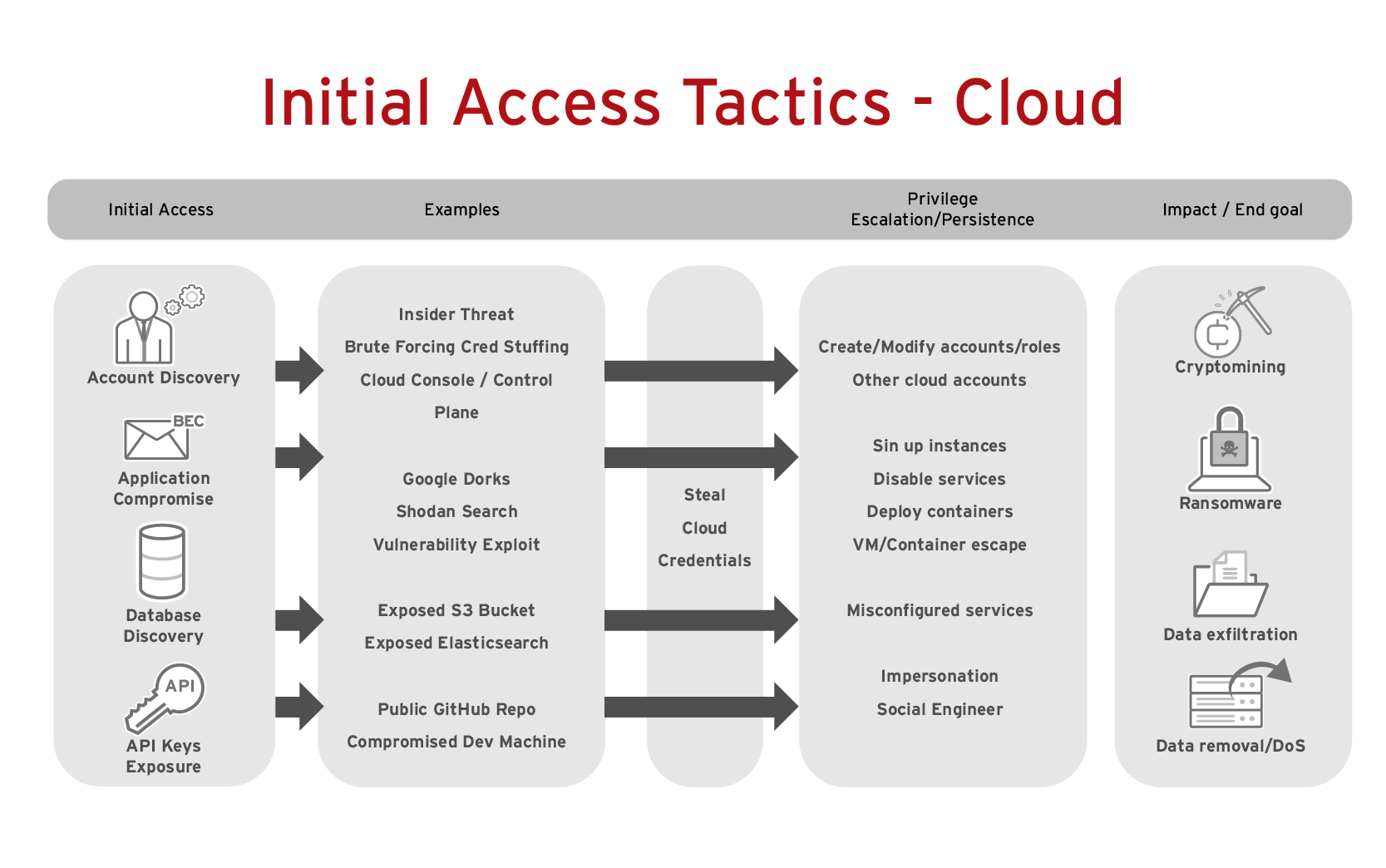
The 5 Core Principles of Zero-Trust Document Redaction
Zero-trust document redaction isn't just about blacking out text—it's a comprehensive security framework that assumes every document, user, and access request could pose a risk. Let's break down the five fundamental principles that transform traditional redaction into a bulletproof security process.
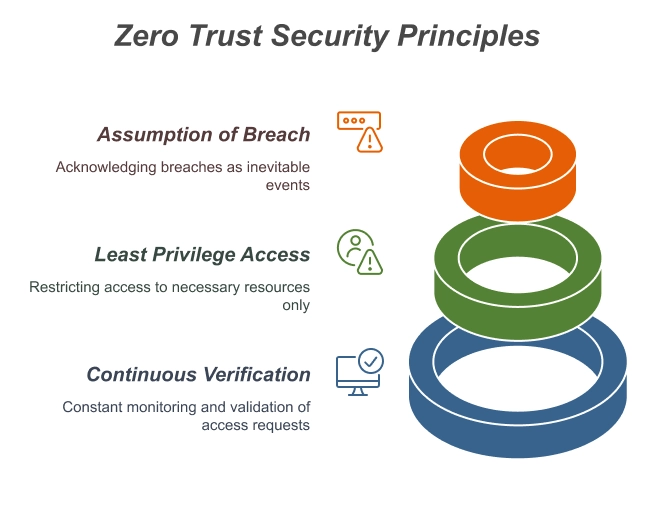
1. Continuous Verification: Never Trust, Always Verify
According to Zero Trust: A Real Implementation Guide for 2025 + Security, zero-trust operates on the principle of "never trust, always verify." For document redaction, this means verifying user identity every single time someone accesses sensitive documents—not just at login. Multi-factor authentication becomes mandatory before viewing or redacting documents, and the system continuously validates both user identity and device security posture.
2. Least-Privilege Access Controls
Each user receives only the minimum access needed to complete their specific task. A legal assistant reviewing contracts shouldn't have the same redaction permissions as a compliance officer handling financial records. NIST emphasizes that zero trust focuses on protecting resources, not network segments—meaning document access is granted based on verified need, not simply network location.
3. Micro-Segmentation of Sensitive Data
Zero-Trust Security requires dividing networks into granular, secure zones. For document redaction, this means categorizing documents by sensitivity level and creating isolated processing environments. Financial documents get processed separately from HR files, with each category having its own access controls and security policies.
4. Comprehensive Audit Logging and Monitoring
Every redaction action must be logged and traceable. Best practices for event logging recommend capturing who accessed documents, what they redacted, when they performed actions, and from which device. Real-world examples include tracking unusual access patterns like users downloading large volumes of data or accessing documents during non-working hours.
5. Automated Threat Detection
Modern redaction platforms like Redact-PDF.AI incorporate AI-powered monitoring to detect suspicious behavior automatically. SOCFortress highlights that automated systems should flag anomalies such as concurrent sign-ins from multiple geographic locations, unusual script execution, or attempts to disable logging features. This real-time monitoring ensures threats are identified and neutralized before damage occurs.
Implementing Zero-Trust Redaction: A Step-by-Step Framework
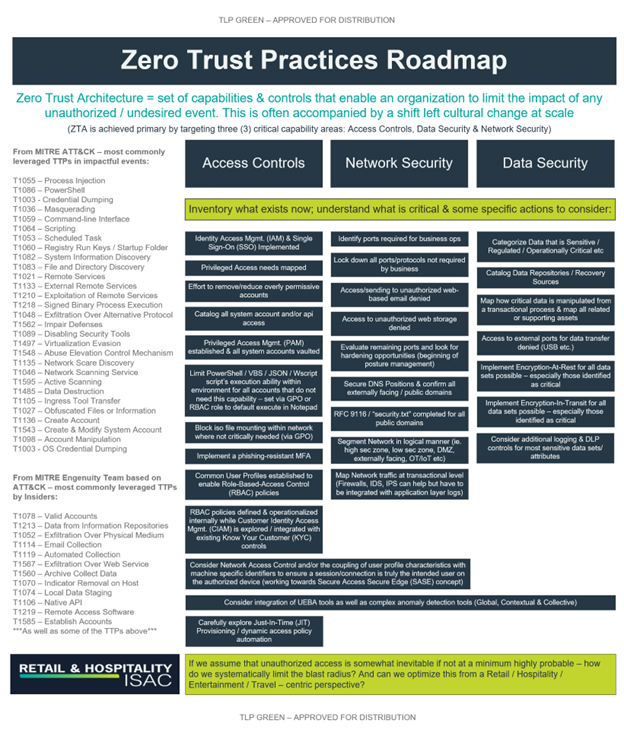
Rolling out zero-trust document redaction isn't just about buying new software—it's about fundamentally rethinking how your organization handles sensitive information. Think of it like childproofing a house: you need to identify every potential risk, secure each access point, and verify that protections actually work. According to Gartner's 2024 State of Zero-Trust survey, 63% of organizations worldwide have already begun this journey, but implementation requires methodical planning.
Phase 1: Assessment and Classification
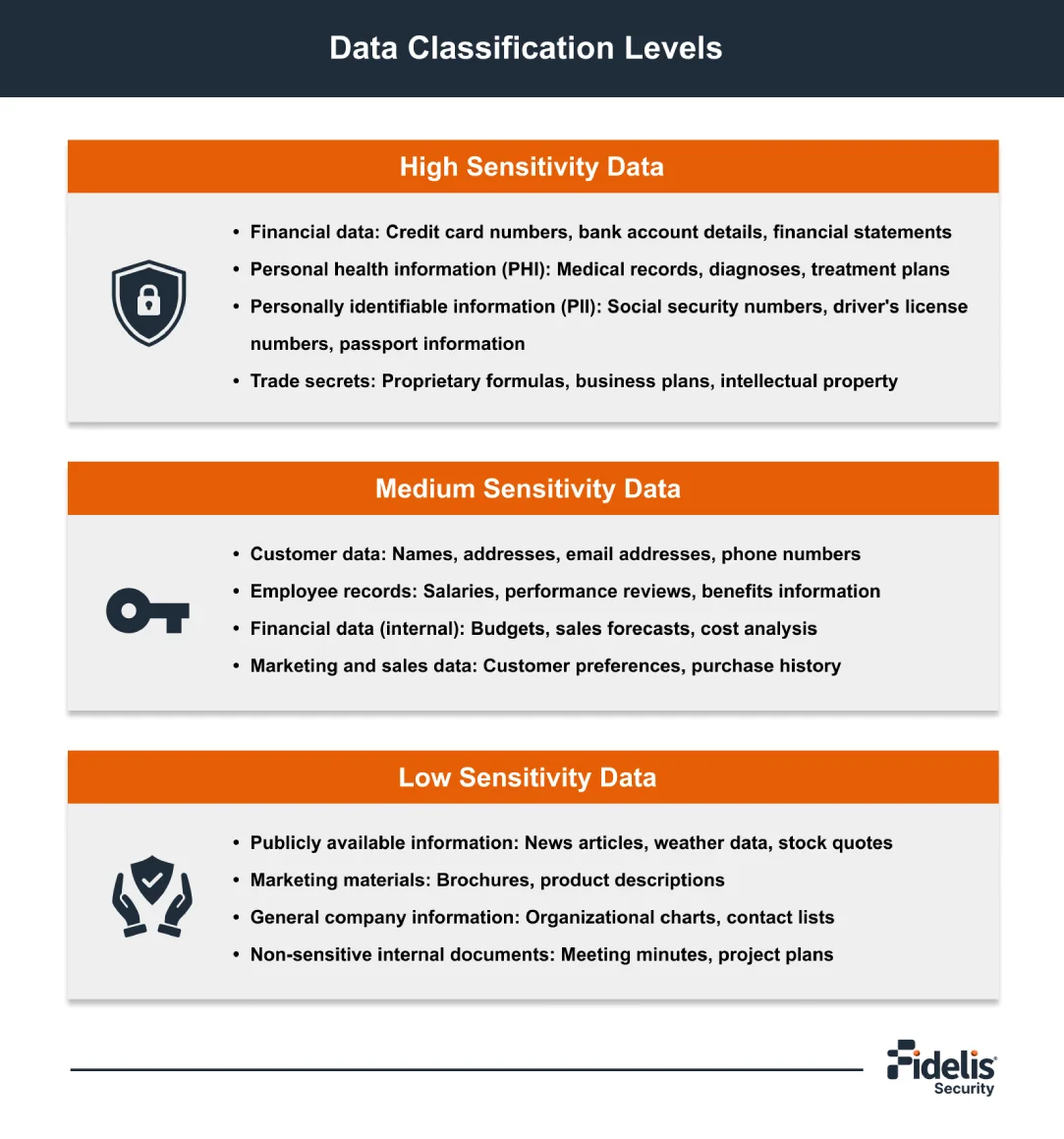
Start by conducting comprehensive data inventories to map where sensitive information lives across your organization. Classify your data based on sensitivity levels—from public information to highly confidential materials like financial records or personal health data. This classification drives everything from access policies to retention schedules and regulatory compliance efforts.
Phase 2: Technology Selection and Integration
Choose redaction solutions that align with zero-trust principles. For organizations needing automated, scalable redaction, redact-pdf.ai offers AI-powered detection of sensitive data with encrypted uploads, GDPR and HIPAA compliance, and automatic file deletion post-processing—eliminating the "trust but don't verify" gap. Integrate these tools with your IAM systems using single sign-on and multi-factor authentication to enforce least-privilege access controls.
Phase 3: Verification and Training
Establish continuous monitoring protocols that verify every redaction through multiple validation checks. Train stakeholders on classification standards, proper redaction procedures, and verification requirements. Remember: zero-trust means every document, every time, no exceptions—even for executive leadership.
AI-Powered Redaction: The Future of Zero-Trust Document Security
Artificial intelligence is revolutionizing how organizations approach document security, transforming redaction from a tedious manual process into an intelligent, automated safeguard. Think of AI-powered redaction as having a tireless security expert who never misses a detail, scanning every document with precision that human eyes simply can't match.
Modern AI redaction systems leverage advanced machine learning algorithms to automatically detect sensitive data including PII, PHI, and financial information across multiple formats and languages. These systems use sophisticated pattern recognition to identify not just obvious identifiers like social security numbers, but also contextual sensitive data that traditional tools might miss. The result? Organizations can significantly reduce manual labor costs while dramatically improving accuracy and compliance productivity.
What makes AI particularly powerful in zero-trust environments is its ability to provide real-time threat response. AI-driven systems can detect and mitigate threats dynamically, adapting to new data patterns and security risks as they emerge. This continuous learning capability means your redaction system becomes smarter over time, catching increasingly sophisticated attempts to expose sensitive information.
For organizations seeking a comprehensive solution, AI-Redact.com exemplifies these principles perfectly. The platform offers encrypted uploads, automatic file deletion post-processing, and full GDPR and HIPAA compliance—embodying the "never trust, always verify" philosophy. With multilingual support and the ability to handle various PDF formats, it demonstrates how AI-powered redaction can scale from individual documents to enterprise-wide deployments without compromising security or accuracy.
Compliance and Regulatory Requirements: GDPR, HIPAA, and Beyond
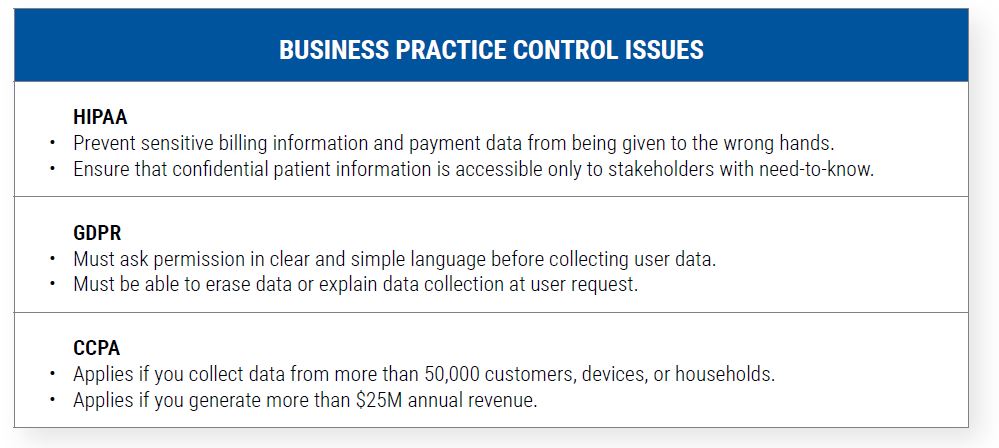
Zero-trust document redaction has emerged as a critical technology for meeting stringent compliance requirements across multiple regulatory frameworks. By implementing strict verification protocols and continuous authentication, organizations can demonstrate their commitment to data protection while satisfying legal obligations.
Meeting HIPAA's Stringent PHI Protection Standards
Healthcare organizations face particularly demanding requirements under Master HIPAA compliance for healthcare privacy in 2025, which mandates comprehensive safeguards for Protected Health Information (PHI). Zero-trust redaction supports these requirements by implementing least-privileged access controls that verify every request to view or process medical records.
The HIPAA Security Rule to Strengthen the Cybersecurity of Electronic Protected Health Information recently introduced enhanced technical requirements that align perfectly with zero-trust principles. These include strict authentication protocols, encryption requirements, and data minimization practices that reduce PHI exposure to only what's absolutely necessary.
GDPR Data Minimization and Consumer Privacy Rights
For organizations operating in Europe or handling EU citizen data, zero-trust redaction directly supports How to Implement PHI Data Minimization in Healthcare principles required under GDPR. The framework ensures that personal data is collected and retained only for specific, legitimate purposes—a core GDPR requirement.
Similarly, CCPA compliance for California consumers benefits from zero-trust approaches, as detailed in Healthcare Organizations' Compliance With the CCPA. These regulations require organizations to provide transparency and control over personal information.
Practical compliance benefits include:
- Automated identification and redaction of personally identifiable information
- Audit trails documenting every access and modification attempt
- Granular access controls limiting data exposure
- Encrypted processing that maintains confidentiality throughout the redaction workflow
Services like AI-Powered PDF Redaction offer GDPR and HIPAA-compliant solutions by implementing encrypted uploads, automatic file deletion, and zero-storage policies. Financial services firms facing regulations like GLBA and SOX can similarly leverage zero-trust redaction to protect customer financial data while maintaining compliance with record-keeping requirements. By adopting these technologies, organizations transform compliance from a checkbox exercise into a robust security posture.
Real-World Success Stories: Zero-Trust Redaction in Action
Zero-trust document redaction isn't just theoretical—organizations across industries are achieving measurable security improvements and cost savings. Here's how different sectors are putting these principles into practice.
Healthcare: Protecting Patient Privacy at Scale
Healthcare organizations implementing zero-trust redaction are seeing dramatic compliance improvements. According to The Zero Trust Blueprint for Healthcare IT 2025, adopting zero-trust principles—including multi-factor authentication, role-based access, and encryption—helps demonstrate HIPAA compliance while preventing lateral movement within networks. One healthcare system avoided an $80,000 penalty similar to OCR's first 2025 enforcement action by implementing automated redaction with continuous verification. Their solution combined risk scoring with dynamic microsegmentation, as recommended in Automating Zero Trust in Healthcare, to automatically adapt security policies based on device risk levels.
Government: Securing Classified Information
Government agencies are shifting from perimeter-based defenses to identity-driven security models. According to Zero Trust in Government: 2025 Market Trends, federal and state organizations are embracing risk-aware frameworks that protect mission-critical operations. These agencies use AI-powered solutions like Redact-PDF.ai to automatically detect and permanently remove sensitive information while maintaining GDPR and HIPAA compliance through encrypted uploads and zero data retention.
Financial Services: ROI That Speaks Volumes
Financial institutions are seeing exceptional returns on their zero-trust investments. The Zero Trust Implementation Cost Calculator 2025 reveals enterprises achieve an average ROI of 340% within 24 months, with investments ranging from $180,000 to $4.2 million depending on organization size.
Common Pitfalls and How to Avoid Them
Even with the best intentions, organizations frequently stumble when implementing zero-trust redaction. According to research on redaction failures, a single mistake can send private information spiraling into the public domain, creating legal, financial, and reputational nightmares.
Partial Redaction: The Silent Killer
The most dangerous mistake? Leaving some identifiers exposed while hiding others. Experts identify partial redaction as the top failure mode—imagine redacting a name but leaving their Social Security number visible. To avoid this, implement AI-powered detection that scans for pattern-based sensitive data across your entire document, not just obvious keywords.
The Metadata Monster
Here's what catches most people off guard: hidden metadata lurking in your "redacted" files. Even when surface-level information appears removed, embedded properties can contain the original text. Best practices recommend ensuring your source contains no unwanted data from the start, then using software that automatically scrubs metadata alongside visible content.
Inconsistent Application Across Formats
Documents exist as PDFs, videos, images, and audio files—but many organizations only redact text documents. Modern redaction solutions emphasize protecting sensitive content across all media types, from blurring faces in videos to removing names from audio recordings.
For reliable protection, consider solutions like Redact-PDF.ai, which uses advanced AI to automatically detect and remove sensitive information including names, emails, and phone numbers while ensuring GDPR and HIPAA compliance. The platform encrypts uploads, automatically deletes files post-redaction, and provides consistent results across multilingual documents—eliminating the human error that causes most redaction failures.
Choosing the Right Zero-Trust Redaction Solution
Selecting a document redaction tool isn't just about removing sensitive data—it's about ensuring that data never becomes vulnerable in the first place. The market is flooded with options, but the right solution should align with your security requirements, compliance needs, and operational workflow.
Security certifications should be your first checkpoint. According to Understanding Data Redaction, compliance with GDPR, HIPAA, and CCPA is non-negotiable for businesses handling personal information. Look for tools explicitly certified for your industry—HIPAA Redaction: Protecting Patient Data Under Privacy Rule emphasizes that healthcare organizations must ensure 18 PHI identifiers are properly redacted before sharing medical records.
AI accuracy separates good tools from great ones. Best AI redaction APIs: Complete comparison guide for 2025 notes that cloud APIs like Nutrient and Azure AI Language offer SOC 2 and GDPR certifications with minimal setup time. The detection engine should recognize names, addresses, financial data, and context-specific identifiers across multiple formats.
For businesses seeking a comprehensive solution, AI-Redact.com stands out with its zero-trust architecture. The platform offers encrypted uploads, automatic file deletion post-redaction, and pay-as-you-go pricing starting with 4 free pages—perfect for testing before committing. Unlike competitors that store your documents, AI-Redact ensures files are permanently deleted after processing, eliminating downstream data breach risks.
Integration capabilities matter for workflow efficiency. Top 10 AI Document Redaction Tools in 2025 recommends prioritizing scalability and API availability, especially for teams processing hundreds of documents under tight deadlines. Choose tools that integrate seamlessly with your existing document management systems and support bulk processing for enterprise-scale operations.
Human Sources:
- Understanding Data Redaction
- HIPAA Redaction: Protecting Patient Data Under Privacy Rule
- Best AI redaction APIs: Complete comparison guide for 2025
- Top 10 AI Document Redaction Tools in 2025
- AI-Redact.com
Conclusion: Building a Secure Future with Zero-Trust Document Redaction
The shift to zero-trust document redaction isn't optional anymore—it's essential for survival in today's threat landscape. With 3 billion individuals exposed in a single 2024 breach and 64% of major security incidents stemming from third-party vulnerabilities, the "lock the front door, ignore the windows" approach of traditional redaction has proven catastrophically inadequate.
Your next steps:
- Assess your current redaction practices: Map where sensitive documents live and who accesses them
- Classify your data sensitivity levels: Not all information requires the same protection intensity
- Implement continuous verification protocols: Move beyond single sign-on to ongoing identity validation
- Adopt AI-powered automation: Eliminate human error while scaling your security posture
The organizations achieving 340% ROI within 24 months didn't wait for the perfect moment—they started with small pilots and expanded systematically.
Ready to transform your document security? AI-Redact.com offers encrypted uploads, zero data retention, and GDPR/HIPAA compliance with 4 free pages to test the platform. The question isn't whether you'll adopt zero-trust redaction, but whether you'll do it before or after your next security incident. Start your assessment today.
FAQ: Your Zero-Trust Document Redaction Questions Answered
Navigating zero-trust document redaction can feel overwhelming. Here are answers to the questions we hear most often from organizations making the transition.
What's the difference between redaction and encryption? Think of encryption as locking your document in a safe—the information still exists, just scrambled. Redaction, however, permanently removes sensitive data from the document itself. According to Nutrient AI redaction API comparison guide, redaction is essential for compliance scenarios where information must be permanently destroyed, while encryption maintains the original data in an unreadable format.
How much does implementation cost, and what's the ROI? Implementation costs vary significantly based on your existing infrastructure, but the returns are compelling. Research from Zero Trust Implementation analysis shows organizations implementing comprehensive zero-trust frameworks report an average 92% return on investment, primarily through reduced breach likelihood. The key is distributing costs across regular technology refresh cycles rather than treating it as a standalone project.
Can zero-trust redaction work with legacy systems? Yes, though it requires planning. The SC Media zero-trust study identifies inflexibility of legacy IT systems as one of the most common obstacles, but organizations successfully integrate by implementing AI-powered security automation that bridges old and new systems.
How long does implementation take? Timeline depends on your approach. Automated redaction research shows turnkey cloud APIs like AI Redact PDF require minimal setup (2-4 weeks), while comprehensive enterprise deployments typically take 3-6 months with managed service support.
Is AI redaction more secure than manual redaction? AI redaction significantly reduces human error. CaseGuard's comparison study demonstrates that AI-based redaction automates identification of personally identifiable information, saving hundreds of hours while maintaining consistent security standards that manual processes can't match at scale.
