How Generative AI is Enabling Conversational Document Search and Redaction in 2025
How Generative AI is Enabling Conversational Document Search and Redaction in 2025
Picture this: It's 2 AM, and you're frantically searching through 10,000 contracts for a single clause buried somewhere in your company's archives. You've tried every keyword combination, scrolled through countless folders, and you're still empty-handed. Sound familiar? This nightmare scenario is exactly why 2025 marks a watershed moment for document management. Generative AI has fundamentally changed how we interact with our documents—transforming that desperate 2 AM search into a simple conversational question like "Show me all contracts with auto-renewal clauses from 2024." Even more revolutionary? These same AI systems can automatically identify and redact sensitive information across thousands of documents in minutes, a task that once took legal teams weeks to complete manually. The combination of conversational search and intelligent redaction isn't just saving time—it's reshaping entire industries where document security and accessibility mean the difference between compliance and catastrophic data breaches.
The Challenge: Why Traditional Document Search and Redaction Methods Fall Short
In an era where data breaches involving human error account for 74% of incidents, organizations face mounting pressure to protect sensitive information while maintaining operational efficiency. Yet most businesses still rely on manual document search and redaction processes that are fundamentally unequipped for today's data volume and compliance demands.
Traditional redaction methods create significant bottlenecks for organizations handling high volumes of sensitive information. According to market research, the PDF Redaction Compliance market reached $1.28 billion in 2024 and is projected to grow to $4.65 billion by 2033—a clear indicator that current solutions aren't meeting enterprise needs. The scalability problem is real: as businesses grow, manual processes simply can't keep pace.
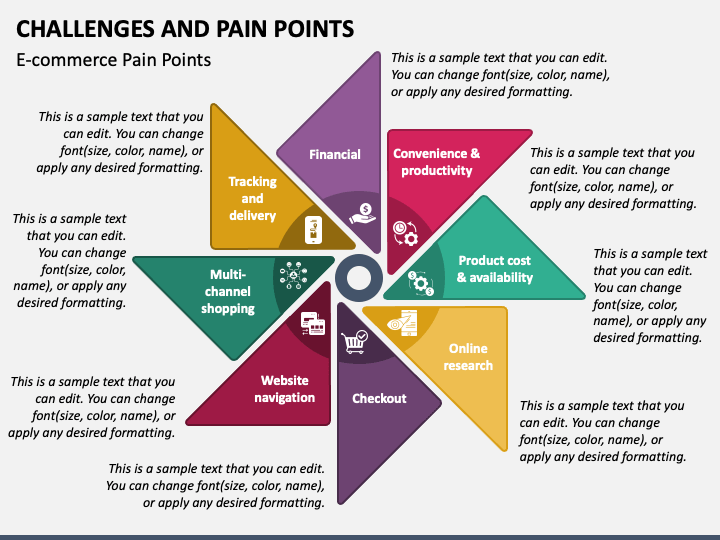
Human error remains the Achilles' heel of traditional approaches. Studies show humans make up to 100 times more errors than automated systems, with manual data entry carrying an average error rate of approximately 1%. When dealing with sensitive documents, even a single missed redaction can expose organizations to compliance failures and data breach risks.
The cost implications extend beyond direct labor expenses. Traditional tools often charge per file or per redaction, leading to budget overruns and project delays. Meanwhile, legal teams spend vast amounts of high-value time managing review workflows rather than focusing on strategic work. For organizations managing diverse data formats—from contracts to multimedia—manual redaction creates operational bottlenecks that compromise both speed and accuracy.
How Generative AI Enables Conversational Document Search
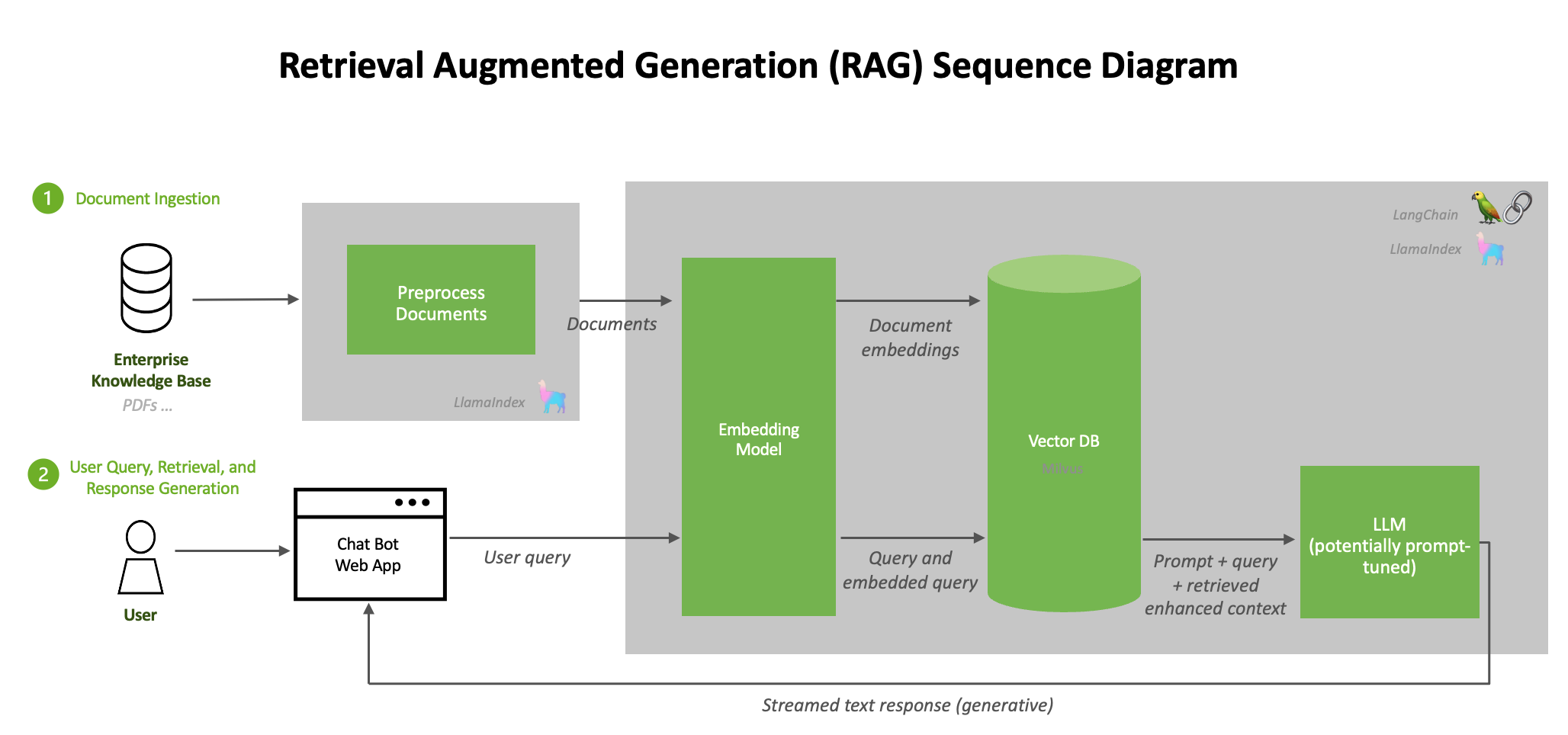
Think about how much time your team wastes hunting for that one crucial document buried in your company's digital archives. In 2025, generative AI is solving this frustration through a breakthrough technology called Retrieval-Augmented Generation (RAG), which transforms how employees interact with corporate knowledge.
RAG works like having a brilliant research assistant who understands exactly what you mean, not just what you type. Instead of matching keywords, it uses natural language processing to grasp the context behind questions like "Show me the latest customer feedback from EMEA" and delivers precise, conversational answers. According to Top 2025 Conversational AI Trends, 51% of large firms have already adopted RAG technology, recognizing its power to reduce AI hallucinations and improve accuracy.
The impact on productivity is staggering. Modern AI-powered enterprise search enables employees to ask questions naturally and receive consolidated answers from multiple sources instantly—no more manual digging through SharePoint folders or email chains. The market validates this transformation: the RAG Market is projected to surge from $1.94 billion in 2025 to $9.86 billion by 2030.
What makes RAG particularly powerful is that it grounds answers in your organization's actual documents, ensuring responses are always current and trustworthy. When combined with specialized tools like Redact-PDF.ai for secure document handling, organizations gain both intelligent search capabilities and robust data protection—a winning combination for knowledge workers navigating increasingly complex information landscapes.
AI-Powered Redaction: Automating Sensitive Data Protection at Scale
The manual redaction of sensitive documents—marking out names, addresses, and confidential data with black boxes—is rapidly becoming obsolete. Modern AI-powered redaction tools are revolutionizing data protection by slashing processing time by up to 98% while virtually eliminating human error. Unlike traditional methods that simply "hide" information with visual overlays, AI redaction permanently removes sensitive data, making it completely irretrievable.
At the core of these systems are sophisticated machine learning algorithms that automatically detect and classify sensitive information across multiple categories. Advanced document redaction software uses AI to identify personally identifiable information (PII), protected health information (PHI), financial data, and other confidential content—whether it's typed text, handwritten notes, or embedded within scanned images. The technology leverages optical character recognition (OCR) to extract text from even poor-quality documents, then applies category-based classification to flag sensitive elements.

The real game-changer is batch processing capability. Organizations dealing with thousands of documents can now process entire repositories simultaneously. Bulk redaction features enable compliance teams to redact multiple documents at once, automatically detecting and removing names, emails, phone numbers, and more across commonly used file formats. This automation allows IT and operations teams to clear document backlogs 85% faster while maintaining complete audit trails.
For organizations seeking a streamlined solution, redact-pdf.ai offers an intuitive platform specifically designed for efficient PDF redaction at scale. The system combines powerful AI detection with user-friendly controls, making enterprise-grade document protection accessible without compromising on accuracy or compliance standards.
Real-World Applications: Industries Transforming with AI Document Solutions
Generative AI is revolutionizing how organizations handle document-intensive workflows across critical sectors. In legal services, the impact is staggering—according to recent research from Everlaw, lawyers are saving up to 32.5 working days annually using generative AI for document review and analysis. This translates to roughly 50% time savings on tasks like contract analysis, discovery processes, and compliance documentation.
Healthcare organizations are leveraging AI to navigate the complex landscape of patient records and regulatory compliance. AI-powered automation tools now manage document reviews and audit trails while maintaining HIPAA compliance, dramatically reducing the risk of costly violations. These systems automatically identify and redact sensitive patient information, ensuring that protected health data remains secure during inter-departmental transfers or insurance claims processing.

Financial services are experiencing perhaps the most dramatic transformation. According to Inscribe AI's 2025 Document Fraud Report, their AI Fraud Analyst system analyzed millions of fraudulent documents, detecting sophisticated manipulation techniques that would escape manual review. Banks are using AI to instantly verify loan documents, detect altered bank statements, and flag suspicious patterns—cutting fraud investigation time by 60% while improving accuracy.
For organizations handling sensitive redactions at scale, solutions like Redact-PDF.ai enable automated, intelligent redaction of large document areas, ensuring compliance across thousands of files simultaneously. Government agencies are similarly deploying these technologies to process FOIA requests, secure classified information, and manage public records with unprecedented speed and consistency.
Key Features to Look for in AI Document Search and Redaction Platforms
Choosing the right AI-powered redaction platform can feel overwhelming when sensitive data is on the line. But understanding which features truly matter will help you protect your organization while staying compliant with evolving privacy regulations.
Automated PII Detection Accuracy is your first line of defense. Modern platforms like VIDIZMO Redactor use AI and machine learning to scan documents, videos, and audio files to identify and automatically remove sensitive data like Social Security numbers, medical records, and financial information. The best systems achieve near-perfect accuracy across multiple file types, reducing the risk of human error that could lead to costly data breaches.
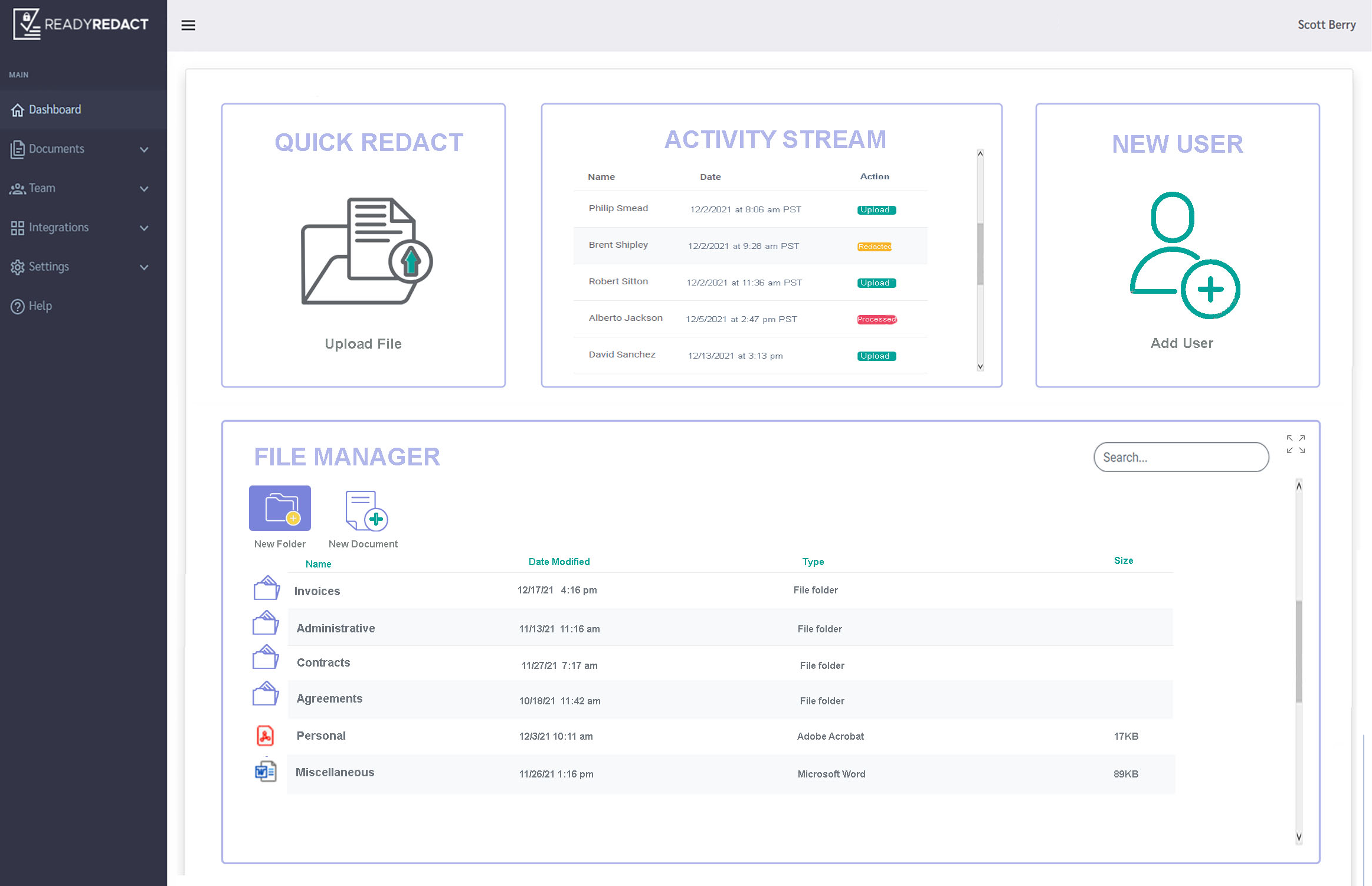
Compliance and security features aren't optional—they're essential. Look for platforms offering detailed audit trails, end-to-end encryption, and built-in support for GDPR, HIPAA, and CCPA regulations. Foxit's Smart Redact Server exemplifies this with scheduled compliance scans and batch processing capabilities that ensure no sensitive data slips through during high-volume operations.
Multi-format support and collaboration tools separate enterprise-grade solutions from basic editors. redact-pdf.ai stands out by handling not just PDFs, but supporting diverse file types while maintaining precision redaction across formats. Meanwhile, cloud-native architecture ensures your team can securely collaborate from anywhere, with SOC 2 certifications providing peace of mind that your redacted documents remain protected throughout their lifecycle.
The right platform transforms redaction from a tedious compliance burden into an automated safeguard that scales with your organization's needs.
Implementation Best Practices: Getting Started with AI Document Management
Successfully implementing AI-powered document search and redaction requires a strategic, phased approach that balances technology adoption with organizational readiness. According to recent research, 88% of legal teams reported productivity gains with AI tools, but effective adoption hinges on balancing AI efficiency with necessary human oversight.

Start with a Comprehensive Needs Assessment
Begin by mapping your current document workflows and identifying pain points. Which departments spend the most time searching for information? Where do compliance bottlenecks occur? AI-powered compliance systems can automate repetitive tasks like data entry and report generation, but you first need to understand which processes will benefit most from automation.
Select the Right Platform
When evaluating AI enterprise search tools, prioritize features like semantic search that understands intent, unified indexing across your existing systems, and personalized results based on user roles. For document redaction specifically, platforms like redact-pdf.ai offer specialized capabilities for handling sensitive information at scale, with intuitive interfaces that support both automated and manual redaction workflows.
Implement Strategic Training Programs
Successful AI workflow automation requires teams who understand both the technology's capabilities and its limitations. Create hands-on training sessions where employees practice with real documents in controlled environments. Establish clear escalation protocols for when human judgment is needed.
Measure and Optimize ROI
Track key metrics including search time reduction, redaction accuracy rates, and compliance processing costs. Organizations implementing AI compliance tools report significant cost reductions through process automation, but continuous monitoring ensures you're achieving expected returns while maintaining quality standards.
The Future of Document Management: Emerging Trends for 2025 and Beyond
Document management is evolving at breakneck speed, and 2025 marks a pivotal shift toward truly intelligent systems. The next frontier isn't just about finding documents faster—it's about understanding them across every dimension.
Multi-Modal AI: Beyond Text-Only Processing
The biggest game-changer? Multi-modal AI systems that process text, images, audio, and video simultaneously. Think about it: your compliance documents contain charts, scanned signatures, embedded videos, and audio recordings. Traditional search tools treat these as separate silos, but multi-modal AI connects the dots.
For instance, enterprises can now use platforms like Azure AI Studio to create unified pipelines that analyze contract language, verify signature images, and even process audio from recorded meetings—all in a single workflow. This comprehensive approach catches compliance issues that text-only systems miss entirely.

Automated Compliance Monitoring That Actually Works
Manual compliance reviews are becoming obsolete. AI-powered compliance monitoring now enables proactive oversight with real-time alerts and continuous auditing. These systems don't just flag violations after they happen—they predict potential issues before they escalate.
Organizations are seeing 75% increased investment in AI-driven compliance tools, and for good reason. Modern solutions automatically track control gaps, generate jurisdiction-specific reports, and maintain audit trails across frameworks like GDPR and HIPAA. When you're managing redactions across thousands of documents, tools like redact-pdf.ai streamline the process with intelligent automation that understands context and compliance requirements.
Enterprise Workflow Integration
The real magic happens when these AI capabilities plug directly into your existing systems. Future enterprise multimodal AI tools seamlessly integrate with business workflows, eliminating the need to switch between platforms. Imagine asking a question in Slack and having the AI pull answers from contracts, presentation videos, and email threads—then automatically redacting sensitive information before sharing results with your team.
Conclusion: Embracing AI-Powered Document Intelligence for Competitive Advantage
The transformation is happening whether you're ready or not. Organizations that embrace AI-powered document search and redaction now are gaining measurable advantages: 50% faster legal reviews, 98% reduction in redaction time, and near-elimination of costly human errors that lead to compliance violations.
The path forward requires three decisive actions. First, assess where manual document processes are bleeding time and resources in your organization. Second, implement a solution that balances automation with human oversight—platforms like redact-pdf.ai offer enterprise-grade capabilities without overwhelming complexity. Third, measure relentlessly: track search times, redaction accuracy, and compliance costs to prove ROI to stakeholders.
Here's what separates winners from laggards:
| Early Adopters | Late Movers | |----------------|-------------| | Process thousands of documents daily with consistent accuracy | Still manually reviewing documents, creating compliance bottlenecks | | Reallocate staff to strategic work instead of repetitive redaction | Watch competitors outpace them in operational efficiency | | Maintain real-time compliance across GDPR, HIPAA, CCPA | Face mounting regulatory risks and potential violations |
The question isn't whether AI will transform document management—it's whether your organization will lead or follow. Start your pilot program today. Your compliance team, legal department, and bottom line will thank you.