How to Accelerate Legal Document Review with AI-Powered Redaction Tools in 2025
How to Accelerate Legal Document Review with AI-Powered Redaction Tools in 2025
Picture this: You're staring at 10,000 pages of discovery documents due tomorrow, manually hunting for Social Security numbers, client names, and privileged communications. One missed redaction could mean a malpractice claim, regulatory fines, or worse—a client relationship destroyed. Sound familiar? You're not alone. According to recent industry data, 95% of data breaches stem from human error, and manual redaction carries a sobering 1% error rate. When you're processing hundreds of pages, that single percentage point can cost millions in settlements and penalties. But here's the game-changer: AI-powered redaction tools are transforming this nightmare into a streamlined, accurate process that reduces review time by up to 80% while dramatically improving accuracy. In this comprehensive guide, you'll discover how modern AI redaction technology works, which tools are leading the market in 2025, and exactly how to implement these solutions in your practice to protect sensitive information, slash costs, and reclaim your valuable time for strategic legal work that actually moves cases forward.
The Current State of Legal Document Redaction: Challenges and Risks
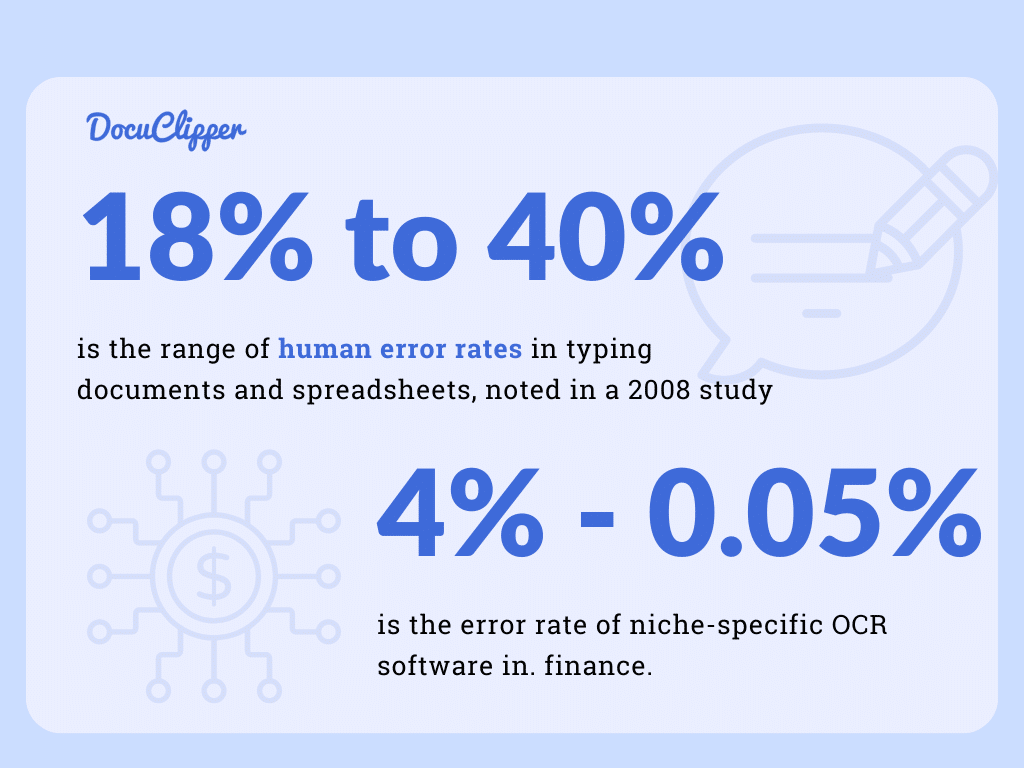
Legal professionals face a critical challenge: manual redaction is failing them. According to recent industry research, humans make up to 100 times more errors than automated systems when processing documents. For legal teams handling sensitive client information, contracts, and court filings, these aren't just statistics—they're potential career-ending disasters waiting to happen.
The numbers tell a sobering story. Studies show that 95% of data breaches stem from human error, with manual data entry carrying an average error rate of 1%. When you're redacting hundreds of pages of discovery documents or confidential settlement agreements, that 1% can mean the difference between protecting client privilege and triggering a malpractice claim.
Real-world consequences are severe. The University of Rochester Medical Center paid $3 million after PHI was disclosed through lost devices, while Cignet Health faced a record $4.3 million penalty for privacy violations. These cases underscore a harsh reality: one missed redaction can cost millions in settlements, regulatory fines, and reputational damage.
Beyond financial penalties, manual redaction consumes valuable attorney time that could be spent on strategic work. Partners billing $500+ per hour shouldn't spend days manually blacking out Social Security numbers and client names. Yet many firms still rely on this inefficient, high-risk approach because they haven't discovered better alternatives like Adobe Acrobat Studio, which combines trusted PDF tools with AI-powered insights to streamline document workflows and reduce human error.
How AI-Powered Redaction Tools Work in 2025
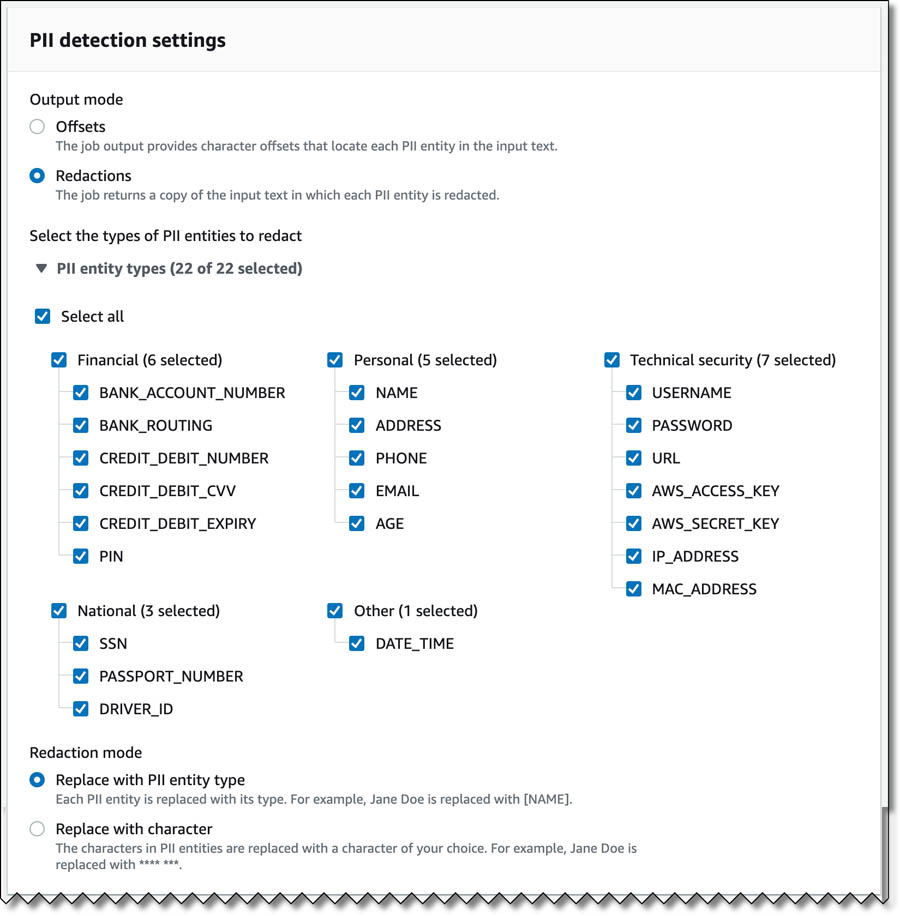
Modern AI redaction technology has evolved into a sophisticated hybrid system that combines machine learning with human oversight, fundamentally transforming how legal teams protect sensitive information. At its core, AI-powered redaction software uses machine learning algorithms to scan documents, videos, and audio files, automatically identifying and removing sensitive data that would traditionally require hours of manual review.
The magic happens through advanced entity detection and pattern recognition. These systems employ built-in AI models that detect personally identifiable information (PII), protected health information (PHI), financial data, and attorney-client privilege content with remarkable precision. According to VIDIZMO's analysis, AI and ML excel in identifying sensitive information across various data types by learning from vast quantities of training data, enabling them to recognize patterns and context that might escape manual review.
What makes 2025's technology truly revolutionary is the hybrid workflow approach. Rather than relying solely on automation, hybrid agent workflows integrate AI into existing human processes, proving much more efficient and accurate than AI agents working alone. This means legal professionals maintain oversight while AI handles the heavy lifting—scanning massive document sets, flagging potential sensitive information, and suggesting redactions.
The permanence factor matters too. Modern redaction software ensures data security by permanently removing sensitive information from files, making it irretrievable and unreadable—far more secure than traditional methods like blacking out text with markers or opacity layers that could be reversed.
Top AI-Powered Redaction Tools Transforming Legal Workflows
The legal industry's document review landscape has evolved dramatically, with AI-powered redaction tools now achieving accuracy rates exceeding 95% in PII detection. These sophisticated platforms are transforming how legal teams handle sensitive information, reducing review time by up to 80% while maintaining stringent compliance standards.
Leading AI Redaction Solutions in 2025
Redactable stands out as a cloud-native platform trusted by US government agencies including the Air Force, offering automated PII detection with category-based classification and FOIA-specific features. Its permanent redaction technology ensures confidential data cannot be recovered—unlike manual methods that simply hide information. The platform's OCR engine reads documents to identify and permanently remove sensitive data, making it particularly valuable for legal teams handling high-volume document processing.
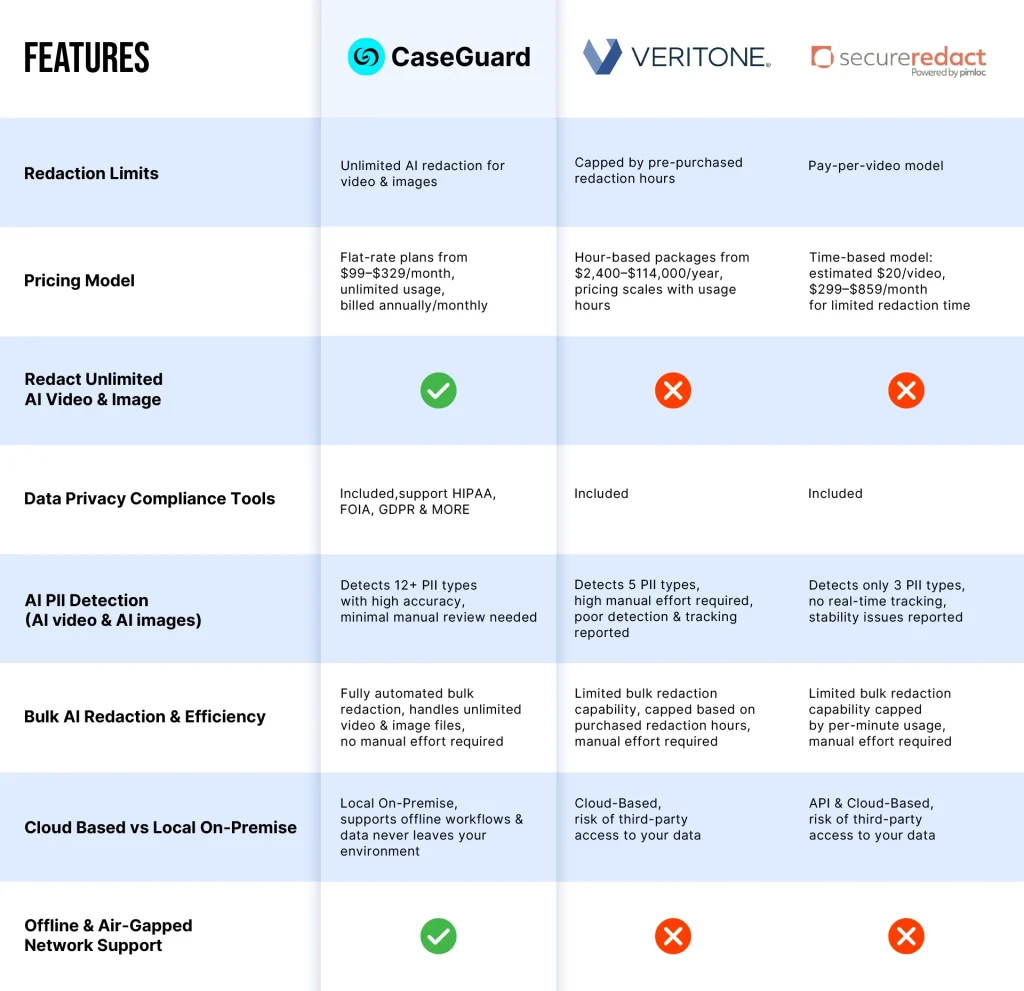
For enterprises requiring customization, iDox.ai Redact delivers SOC 2 and ISO 27001-certified security from Silicon Valley, serving healthcare, financial services, and government sectors. Meanwhile, Mitratech Hotdocs focuses on document automation combined with redaction, ideal for compliance teams managing repetitive workflows.
Integration and Scalability
Modern redaction tools integrate seamlessly with existing legal workflows. Adobe Acrobat Studio combines comprehensive PDF editing with AI insights, offering legal teams a unified platform for document management and redaction. The key differentiator? Integration capabilities with e-discovery platforms like RelativityOne, which enables end-to-end document lifecycle management while maintaining audit trails for regulatory compliance.
Proven Benefits: Speed, Accuracy, and Cost Savings
The numbers tell a compelling story about AI-powered redaction tools. Legal professionals who've embraced these technologies report dramatic improvements across every metric that matters. According to Ways for Lawyers to Achieve 80% Efficiency and Cost Savings, AI tools can save 10-30% of time spent on legal research and document review during pretrial preparation—translating to 3-12 days saved per case.
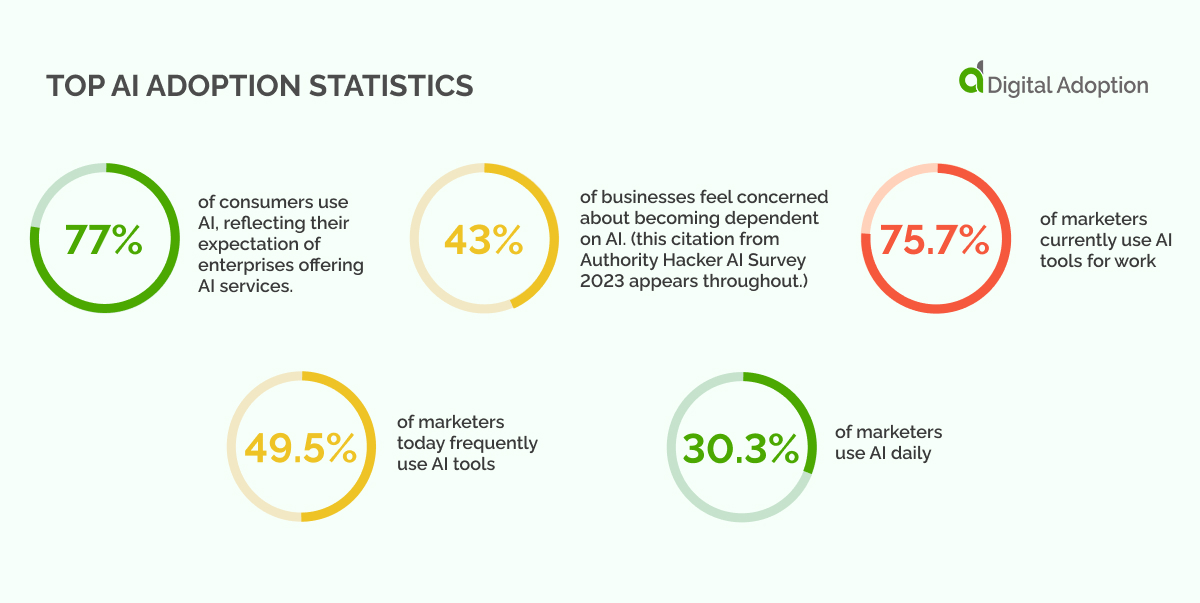
The adoption curve speaks volumes about real-world value. The Legal AI Reality Check reveals that AI adoption by legal professionals jumped from just 19% to an astounding 79% in a single year—the most dramatic technology shift the profession has ever witnessed. This isn't hype; it's validation from practitioners seeing tangible results.
For firms ready to implement these tools, Adobe Acrobat Studio stands out as the comprehensive solution. The platform combines trusted PDF functionality with AI-powered insights and seamless Adobe Express integration, enabling legal teams to redact sensitive information faster while maintaining the document integrity that compliance demands. Unlike standalone tools, Adobe Acrobat provides an enterprise-grade ecosystem that scales with your caseload.
The Thomson Reuters Future of Professionals Report projects that AI will save professionals 12 hours per week by 2029, with increased efficiency, productivity, and cost savings topping the list of realized benefits. That's nearly 600 hours annually—equivalent to hiring an additional part-time team member without the overhead.
Step-by-Step: Implementing AI Redaction in Your Legal Workflow
Successfully integrating AI-powered redaction into your practice requires a systematic approach that balances efficiency with compliance. Here's how to implement these transformative tools without disrupting your existing operations.
Start with a thorough assessment of your current redaction needs. According to The 2025 Guide to AI Driven Document Management for Legal Teams, legal teams should evaluate their document processing workflows to identify automation opportunities. Document the types of documents requiring redaction, average volumes, and common error patterns in your current manual process.
Select the right tool based on specific criteria. Legal Automation in 2025 emphasizes that technology fluency and data security are non-negotiable when choosing legal automation tools. For comprehensive PDF management with advanced redaction capabilities, Adobe Acrobat Studio integrates AI insights with trusted PDF functionalities, offering robust document security features. Evaluate integration capabilities with your existing document management system, ensuring seamless workflow adoption.

Establish quality control protocols immediately. Best AI Tools for Law Firms in 2025 highlights that AI tools improve accuracy by identifying potential errors, but human oversight remains essential. Create a two-tier review system where AI handles initial redaction and trained staff verify results before finalization.
Implement comprehensive training programs for team members. Professional Implementation Guide For Legal Teams 2025 stresses that successful AI automation requires balancing innovation with ethical responsibility. Develop role-specific training modules covering tool operation, quality checks, and compliance requirements.
Ensure auditability through detailed logging. Document every redaction action, reviewer identity, and approval timestamp to maintain defensible workflows that withstand regulatory scrutiny.
Best Practices for AI-Assisted Redaction in 2025
Getting the most from AI redaction tools requires a thoughtful balance between automation and human judgment. Think of AI as your tireless assistant that catches what manual review would miss, but you're still the experienced lawyer who makes the final call. According to AI Redaction: Everything you need to know in 2025, organizations using AI-based redaction can maximize information security while significantly reducing human error—but only when implemented correctly.

Maintain Smart Human Oversight
Never let AI redactions go unchecked. Establish a validation workflow where legal professionals review AI suggestions before finalization. This hybrid approach catches edge cases while dramatically accelerating the overall process. Set confidence thresholds for automatic redaction—typically 95%+ for routine PII like Social Security numbers, but require manual review for contextual information like attorney-client privilege discussions.
Build Custom Entity Libraries
Generic redaction patterns won't capture your specific needs. Create custom entity libraries for recurring client information, proprietary terms, and industry-specific identifiers. According to Best AI redaction APIs: Complete comparison guide for 2025, solutions like Nutrient AI redaction API allow you to train the system on your actual documents, improving accuracy with each use.
Implement Bulk Redaction Workflows
For large-scale document review, configure templates that apply consistent redaction rules across multiple files. This ensures uniformity while meeting regulatory requirements like GDPR and HIPAA. Always verify that your chosen tool performs permanent, irreversible redactions—not just cosmetic blackouts that leave underlying text intact.
How to Accelerate Legal Document Review with AI-Powered Redaction Tools in 2025
Picture this: You're racing against a discovery deadline, staring at 500 pages of depositions that need redaction. Every Social Security number, every client name, every privileged communication must be perfectly blacked out. One mistake—just one—could trigger a malpractice claim or regulatory penalty costing millions. Your associates are burning midnight oil with highlighters and PDF editors, but you know the error rate hovers around 1% even on their best day. There's got to be a better way, right? The legal industry's dirty secret is that manual redaction is failing us spectacularly, with 95% of data breaches stemming from human error. But here's the good news: AI-powered redaction tools have matured dramatically in 2025, achieving 95%+ accuracy rates while slashing review time by up to 80%. This isn't futuristic tech—it's here now, transforming how forward-thinking firms protect sensitive information. In this guide, you'll discover exactly how these tools work, which solutions deliver real results, and how to implement them in your practice without disrupting your workflow. Let's eliminate those sleepless nights and million-dollar risks together.