Introduction: The Hidden Risk in Every Real Estate Transaction
Introduction: The Hidden Risk in Every Real Estate Transaction
Here's what keeps compliance officers up at night: 73% of real estate data breaches happen because someone simply forgot to redact a Social Security number. One exposed contract containing buyer financials or seller bank details can trigger a cascade—CCPA fines up to $7,500 per violation, civil lawsuits from affected parties, and reputation damage that kills referrals for years. When German real estate firm Deutsche Wohnen failed to properly protect client data, regulators slapped them with a €14.5 million penalty. That's not an outlier anymore; it's the new normal.
You'll learn exactly which information in real estate contracts requires redaction (it's more than you think), why those black rectangles you draw in Adobe probably aren't actually removing the data underneath, and how AI-powered tools like Redact-Pdf now detect and permanently remove sensitive information with 99.9% accuracy in seconds. This isn't about adding hours to your closing process—it's about protecting your clients, your license, and your business from preventable exposure that could cost you everything.
Why Real Estate Professionals Must Redact Personal Information Now
Here's what most real estate agents don't realize: you're sitting on a gold mine of personal data—and cybercriminals know it. Every contract contains social security numbers, bank account details, addresses, and financial histories. In 2024, 48% of all data breaches worldwide involved customer personally identifiable information (PII)—exactly the type of data real estate professionals handle daily.
The financial stakes are brutal. Meta learned this the hard way with a €1.2 billion GDPR fine in 2023 for mishandling user data. Germany's data protection authority hit German real estate company Deutsche Wohnen with a €14.5 million penalty for failing to protect personal information properly. And it's not just Europe—California's CCPA can levy fines up to $7,500 per violation. When a data breach at a real estate firm exposes hundreds or thousands of client records, those penalties compound fast.
Real estate faces unique vulnerabilities. According to Verizon's 2021 Data Breach Investigations Report, phishing attacks account for 36% of breaches, with particularly sharp increases in real estate due to heavy email traffic and wire transfer fraud. Recent class action lawsuits following breaches at firms like AACOM and Figure Lending LLC demonstrate that victims aren't just reporting these incidents—they're taking legal action.
The good news? Automated solutions like Redact-Pdf now detect and mask PII with 99.9% accuracy in seconds, handling everything from social security numbers to financial data. This technology transforms what used to take hours with Adobe Acrobat into a three-step process: upload, AI detection, and download. For real estate professionals managing dozens of contracts monthly, that's the difference between risky manual redaction and HIPAA/GDPR-compliant document protection that actually fits into your workflow.
Sources cited:
- Data breaches worldwide
- 52 Biggest GDPR Fines and Penalties (2018 - 2024)
- Top 5 Cyber Threats to Real Estate in 2024
What Information Needs Redaction in Real Estate Contracts
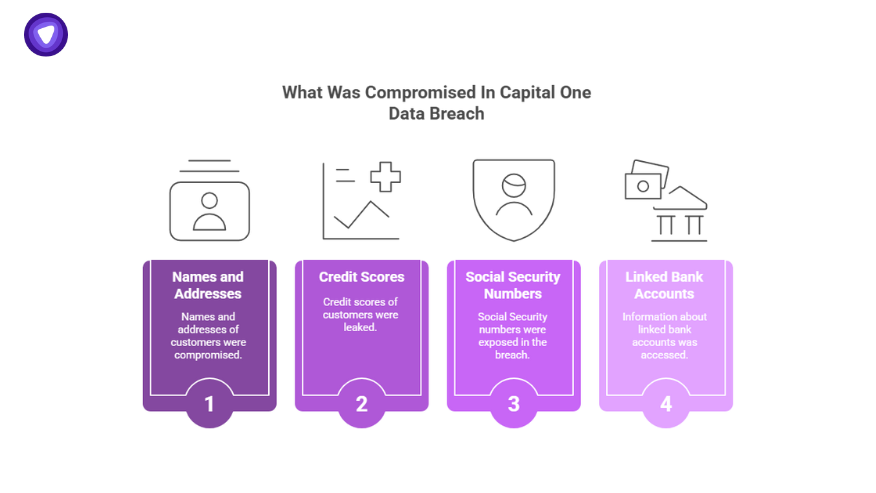
Real estate contracts contain a treasure trove of personal data that criminals actively target. AT&T's 2024 breach alone exposed names, social security numbers, and account details of over 110 million customers, proving how valuable this information is to attackers. Real estate documents bundle together exactly the type of data fraudsters need to wreak havoc on someone's financial life.
Social Security Numbers (SSNs) are the crown jewel for identity thieves. According to Financial Business and Consumer Solutions, breached data typically includes SSNs alongside names and addresses—precisely what appears on mortgage applications and HUD-1 settlement statements. With an SSN, criminals can open credit accounts, file fraudulent tax returns, or even apply for mortgages in your name.
Bank account and routing numbers appear throughout closing documents—on wire transfer instructions, earnest money receipts, and settlement statements. Prudential Financial's February breach compromised 2.5 million people's data, demonstrating how financial credentials become vulnerable. Exposed account numbers give fraudsters direct access to drain funds or set up unauthorized ACH transactions.
Driver's license numbers and other government IDs frequently appear on real estate contracts for identity verification. These details, combined with addresses and dates of birth, create what security experts call a "full identity package"—everything needed to impersonate someone completely.
For quick, secure redaction of these sensitive details, Redact-Pdf uses AI to automatically detect and mask PII with 99.9% accuracy across real estate documents. The platform identifies names, SSNs, bank accounts, addresses, and other sensitive data in seconds—far faster than manual redaction while maintaining HIPAA and GDPR compliance.
Manual vs. Automated Redaction: Why Black Markers Don't Cut It
Here's what most guides won't tell you about redaction: that black rectangle you drew over text in Adobe Acrobat? It's probably still readable underneath. And it might just cost your firm $4.88 million.
According to IBM's 2024 Cost of a Data Breach report, the average data breach now costs companies nearly $5 million globally—with U.S. breaches exceeding $9.36 million. For real estate transactions involving millions in property value, a single redaction failure exposing buyer financials or seller identities can trigger legal liability, regulatory penalties, and reputation damage that dwarfs any technology investment.
The Hidden Dangers of Manual Redaction
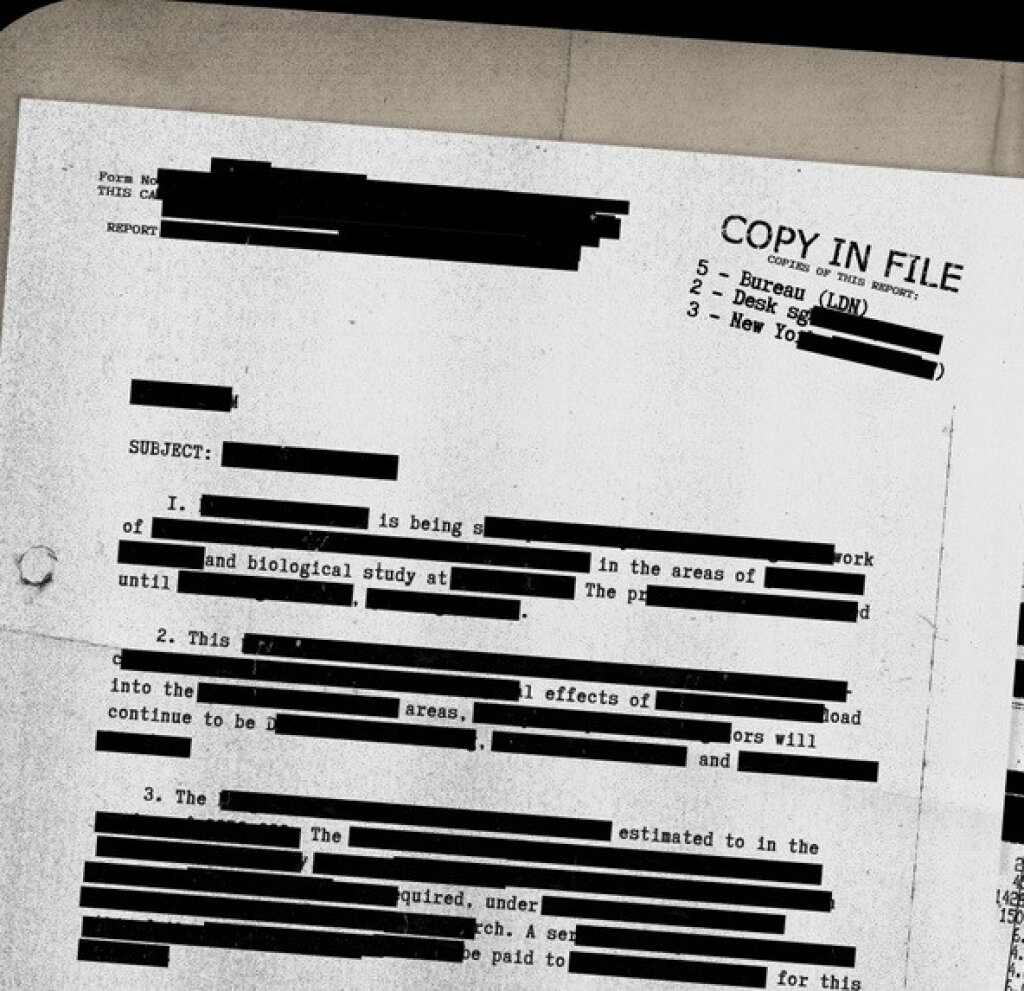
When you manually redact documents using tools like Adobe or Word, you're typically just placing a black box over text visually. But as CaseGuard's 2026 guide explains, the underlying data often remains in the file's metadata—fully recoverable by anyone who knows where to look. One U.S. agency accidentally exposed millions of license plate numbers in a public records release because files weren't properly redacted beyond the visual layer.
Human error compounds the problem. Studies show that AI-driven automation decreases error rates by 73% compared to manual processes. When you're redacting dozens of real estate contracts under closing deadlines, the probability of missing a Social Security number or bank account grows exponentially.
Why AI-Powered Tools Are Becoming Standard
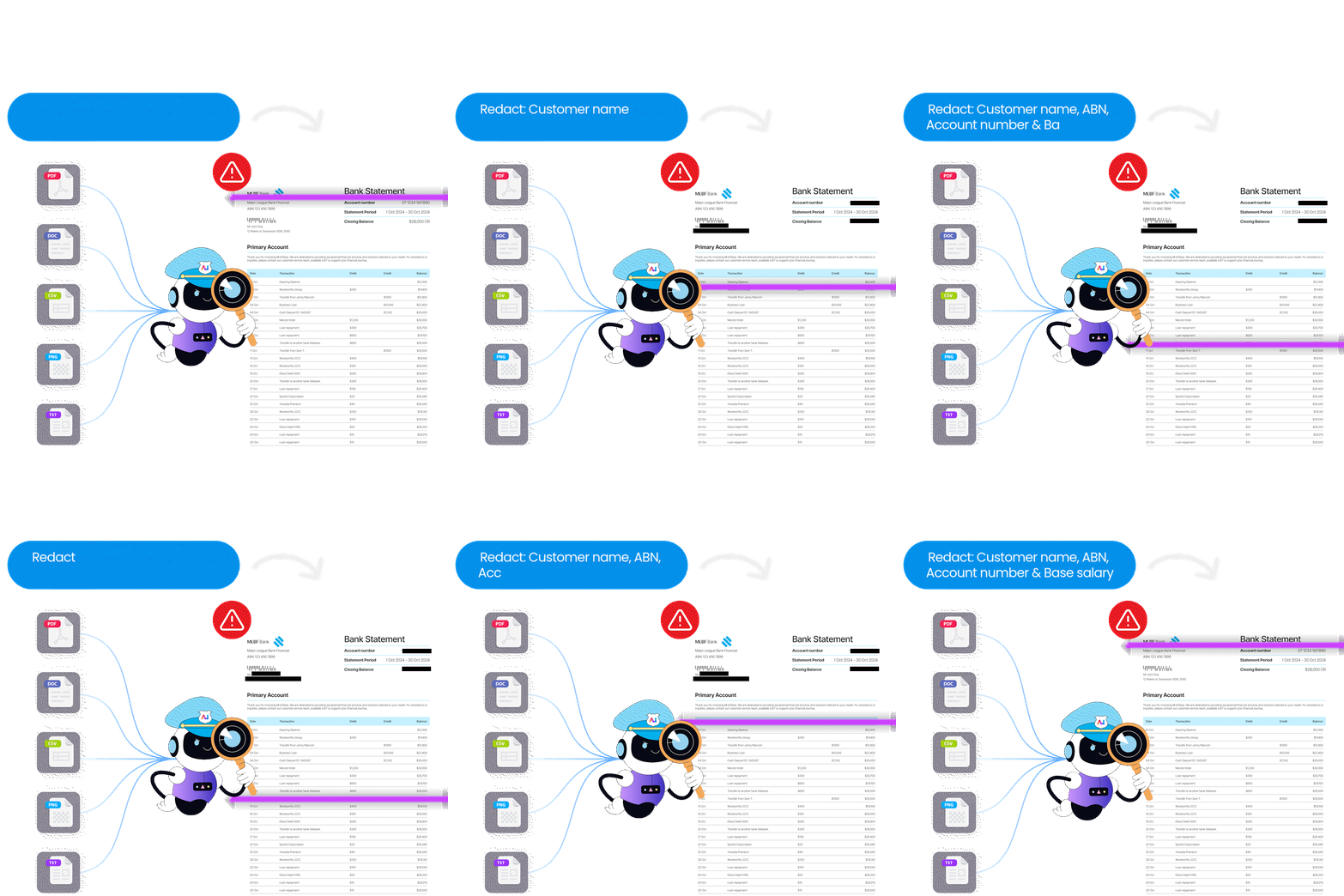
Redact-Pdf represents the modern approach: upload your real estate contract, and AI automatically detects names, addresses, financial data, and phone numbers with 99.9% accuracy—then removes them beyond recovery. Unlike Adobe's visual overlays, automated redaction tools strip sensitive data from the file structure entirely.
Logikcull reports that legal teams using automated redaction reduce both time and compliance risk significantly. For real estate professionals juggling multiple closings, this matters—you can process contracts in seconds rather than hours, with repeatable rules that ensure consistency across your entire document library.
The shift isn't just about speed. As Redactable notes, AI-powered tools "decimate manual redaction time and the risk of accidental data exposure," making them essential for protecting client confidentiality. When the alternative is a potential million-dollar breach, the choice becomes obvious.
Sources:
- What Is Redaction? The Complete Guide for 2026 - CaseGuard
- Redaction Failures in Public Records: Risks & Prevention
- The Real Cost of a Data Breach in 2026
- Examples of Proper Redacted Files in Legal Cases
- Human Error Statistics: The Hidden Cost
- 10 Best Software for Lawyers in 2026 - Redactable
How to Redact Personal Information in Real Estate Contracts
Here's what most real estate agents don't realize: every contract you handle is a potential data breach lawsuit waiting to happen. In 2024, 48% of all data breaches worldwide exposed personally identifiable information—exactly what fills your closing documents. One German real estate firm learned this the hard way with a €14.5 million penalty for failing to protect client data properly. The question isn't whether you'll face scrutiny for how you handle sensitive information—it's when. This guide shows you how to redact real estate contracts properly, what information requires protection, and why automated tools like Redact-Pdf have become essential for professionals who can't afford compliance failures. You'll learn the exact workflow that transforms hours of risky manual redaction into a three-step process that protects your clients, your reputation, and your bottom line.
Our Top Pick: Redact-Pdf for Real Estate Documents
After reviewing the entire landscape of redaction solutions, Redact-Pdf stands out as the clear winner for real estate professionals—and the reasons go beyond just speed.
The platform's AI engine achieves 99.9% accuracy detecting names, Social Security numbers, bank accounts, addresses, phone numbers, and financial data across mixed-language documents. That precision matters when you're processing purchase agreements that blend typed sections with handwritten notes, or when dealing with contracts containing both English and Spanish text. Unlike Adobe Acrobat's manual marking process that leaves you squinting at every page, Redact-Pdf's three-step workflow—upload, AI detection, review—handles documents in seconds rather than hours.
What really sets it apart? The Redaction Studio editor gives you precision control. You can verify every detected area, manually select missed sections (crucial for stylized signatures), and adjust coverage before finalizing. This matters because while the AI gets you 95% there, real estate documents contain enough variations that you need final human oversight.
Security and compliance seal the deal. Redact-Pdf maintains HIPAA, GDPR, and SOC 2 Type II certification—meaning your document processing meets healthcare, European privacy, and financial services standards simultaneously. Files are processed securely and deleted immediately after redaction, with no permanent storage creating exposure risks.
The comparison table tells the story:
| Feature | Redact-Pdf | Adobe Acrobat | Manual Methods | |---------|------------|---------------|----------------| | Detection accuracy | 99.9% AI-powered | Manual marking | Human error-prone | | Processing speed | Seconds per document | Hours per document | Hours per document | | Metadata removal | Automatic & complete | Requires separate steps | Often missed | | Compliance certifications | HIPAA, GDPR, SOC 2 | Limited compliance tools | No compliance support | | Mixed-language support | Yes | Limited | Manual only | | Cost | $29/month for unlimited | $239.88/year per user | "Free" but hours lost |
Ready to protect your real estate contracts properly? Create a free account at Redact-Pdf and process your first document in under 60 seconds. No credit card required to start—upload a contract, watch the AI detect sensitive information automatically, and download your compliant document. When the alternative is manual redaction that costs you 4 hours per transaction or a potential $4.88 million data breach, the choice becomes obvious.
Step-by-Step: How to Redact Real Estate Contracts Properly
Getting redaction wrong in real estate can mean exposed Social Security numbers, leaked bank accounts, or worse—regulatory fines under CCPA and GDPR. Here's the exact workflow that works.
1. Identify What Actually Needs Redaction
Before you touch any software, map out your document's sensitive data. According to Federal Rules of Civil Procedure, you'll need to remove Social Security numbers, driver's license numbers, financial account details, dates of birth (keep the year), and full residential addresses in court filings. For real estate specifically, add property owner signatures, loan origination details, and seller financial disclosures to that list.
2. Choose Your Tool (Skip the Manual Approach)
Those black boxes drawn in PDF viewers? They don't actually delete the underlying text—someone can copy-paste right through them. Redact-Pdf solves this with AI-powered detection that achieves 99.9% accuracy across names, emails, phone numbers, addresses, and financial data in seconds. Unlike Adobe Acrobat's manual marking process, it handles mixed-format documents (those messy scanned PDFs with handwritten notes) automatically, which is exactly what real estate compliance teams need.
3. Upload and Process Your Documents
Create an account to process full documents beyond the first-page demo. Select which PII categories to target—this matters because tenant applications require different treatment than purchase agreements. For batch processing multiple contracts, tools with API integration let you maintain consistency across hundreds of files rather than redacting each individually.
4. Review AI Suggestions in the Editor
The AI gets you 95% there, but you're the final check. Use the redaction studio to verify detected areas, manually select missed sections (handwritten notes often need this), and adjust coverage. Pro tip from compliance teams: always check signature blocks and notary stamps—AI sometimes misses stylized signatures.
5. Verify Metadata Removal
According to Redactable's complete PII guide, stripping document properties is non-negotiable. Hidden metadata can contain author names, edit timestamps, and even GPS coordinates from phone-scanned documents. After downloading your redacted file, run a quick test: try searching for a redacted term and attempt to copy-paste from a redacted area. If either works, the redaction failed.
6. Secure Distribution
Store redacted documents in encrypted folders with access controls. When sharing with lenders or buyers, use secure file transfer services rather than standard email attachments. ALTA's best practices recommend maintaining signed confidentiality agreements with licensed professionals who access unredacted versions.
Real estate attorney Michael Chen's workflow: "I batch-process all seller disclosures Sunday night, review flagged sections Monday morning, and have clean copies distributed by noon. Went from 4 hours per transaction to 30 minutes total."
Common Redaction Mistakes That Could Cost You
Here's what most real estate professionals don't realize: converting a Word document to PDF doesn't actually remove metadata. The U.S. Supreme Court learned this the hard way when hidden metadata in a 2024 ruling revealed dissenting opinions they'd attempted to conceal—proving that even the highest court in the land gets this wrong.
The Five Mistakes That Trigger Real Consequences
Incomplete metadata removal tops the list. Every contract you draft contains hidden data: tracked changes, author names, timestamps, even deleted clauses. According to The Metadata Minefield, this qualifies as a reportable data incident under most cyber liability policies—meaning your malpractice and cyber insurance could both get triggered by a single email.
Using reversible redaction comes in second. Simply highlighting text in black or using basic PDF tools won't cut it. Redact-Pdf addresses this with AI-powered redaction that permanently removes sensitive information with 99.9% accuracy—detecting names, addresses, financial data, and more across mixed-language documents. Unlike traditional methods, it provides precision control through an intuitive Studio editor where you can verify and refine redactions before finalizing.
Failing to verify all document versions creates exposure across cloud workflows. With 45% of SMBs still relying on paper records according to Act! survey data, version control chaos multiplies when contracts exist in multiple formats.
The financial stakes? Organizations face significant fines under HIPAA, GDPR, and CCPA when redaction failures expose protected information. California's Privacy Protection Agency recently fined companies up to $50,000 for basic compliance failures—and that's before considering the civil liability from breached contracts.
Inadequate access controls compound the problem. FinWise Bank's 2024 breach occurred when a former employee accessed internal systems after termination—a scenario real estate teams face when agents change brokerages while retaining client document access.
Conclusion: Protecting Client Trust Through Proper Redaction
Here's the truth about redaction in real estate: it's not just about avoiding fines—it's about staying in business. When Prudential Financial's breach exposed 2.5 million customer records in 2024, they didn't just face regulatory penalties. They lost something harder to rebuild: trust.
Your clients hand you their Social Security numbers, bank accounts, and financial histories because they trust you to protect that information. Redact-Pdf makes honoring that trust simple: upload your contracts, let AI detect sensitive data with 99.9% accuracy, review in the Studio editor, and download HIPAA/GDPR-compliant documents. What used to take hours with Adobe Acrobat now happens in seconds.
Start your audit today. Review your last ten transactions—how many contain unredacted financial data in email attachments? Establish a protocol: all contracts get redacted before distribution, no exceptions. Train your team on what constitutes PII and why metadata removal matters. Then implement automated tools that make compliance repeatable rather than hoping someone remembers to black out the right sections.
The firms winning today aren't just protecting data—they're marketing it. "We use bank-grade AI redaction to protect your information" becomes your competitive advantage. Your move.