How to Use AI-Powered Document Categorization to Enhance Redaction Accuracy
How to Use AI-Powered Document Categorization to Enhance Redaction Accuracy
Picture this: A healthcare administrator accidentally emails an unredacted patient file containing Social Security numbers and medical histories to the wrong recipient. The result? A $4.3 million HIPAA violation fine and irreparable damage to patient trust. This nightmare scenario plays out more often than you'd think—95% of data breaches in 2024 stemmed from human error during manual redaction processes.
The truth is, your team can't afford to rely on highlighters and good intentions when protecting sensitive information. Every misplaced mouse click or overlooked metadata field puts your organization at risk of devastating compliance failures and reputation damage. But what if you could eliminate human error before the redaction process even begins?
Enter AI-powered document categorization—the game-changing technology that's transforming how organizations protect sensitive data. By automatically classifying documents based on content, sensitivity levels, and regulatory requirements, AI creates an intelligent foundation that makes redaction faster, more accurate, and virtually foolproof. In this guide, you'll discover exactly how to leverage document categorization AI to slash redaction errors, cut processing time by up to 50%, and build bulletproof compliance workflows that scale with your needs. Whether you're handling thousands of contracts, medical records, or financial statements, you're about to learn how the right categorization strategy turns redaction from a liability into a competitive advantage.
The Redaction Challenge: Why Traditional Methods Fall Short
Manual document redaction remains a critical vulnerability in organizations handling sensitive information. According to recent market research, a staggering 95% of data breaches in 2024 were tied to human error, including overlooked metadata or poorly redacted files. This isn't just a minor operational hiccup—it's a compliance crisis waiting to happen.
The time and accuracy costs are equally alarming. Insurance firms report that manual redaction is labor-intensive and prone to errors, leading to delays in claims processing and rising operational costs. When your team manually reviews thousands of pages, mistakes become inevitable. Someone highlights the wrong section, misses sensitive data buried in headers, or inconsistently applies redaction rules across different document formats.
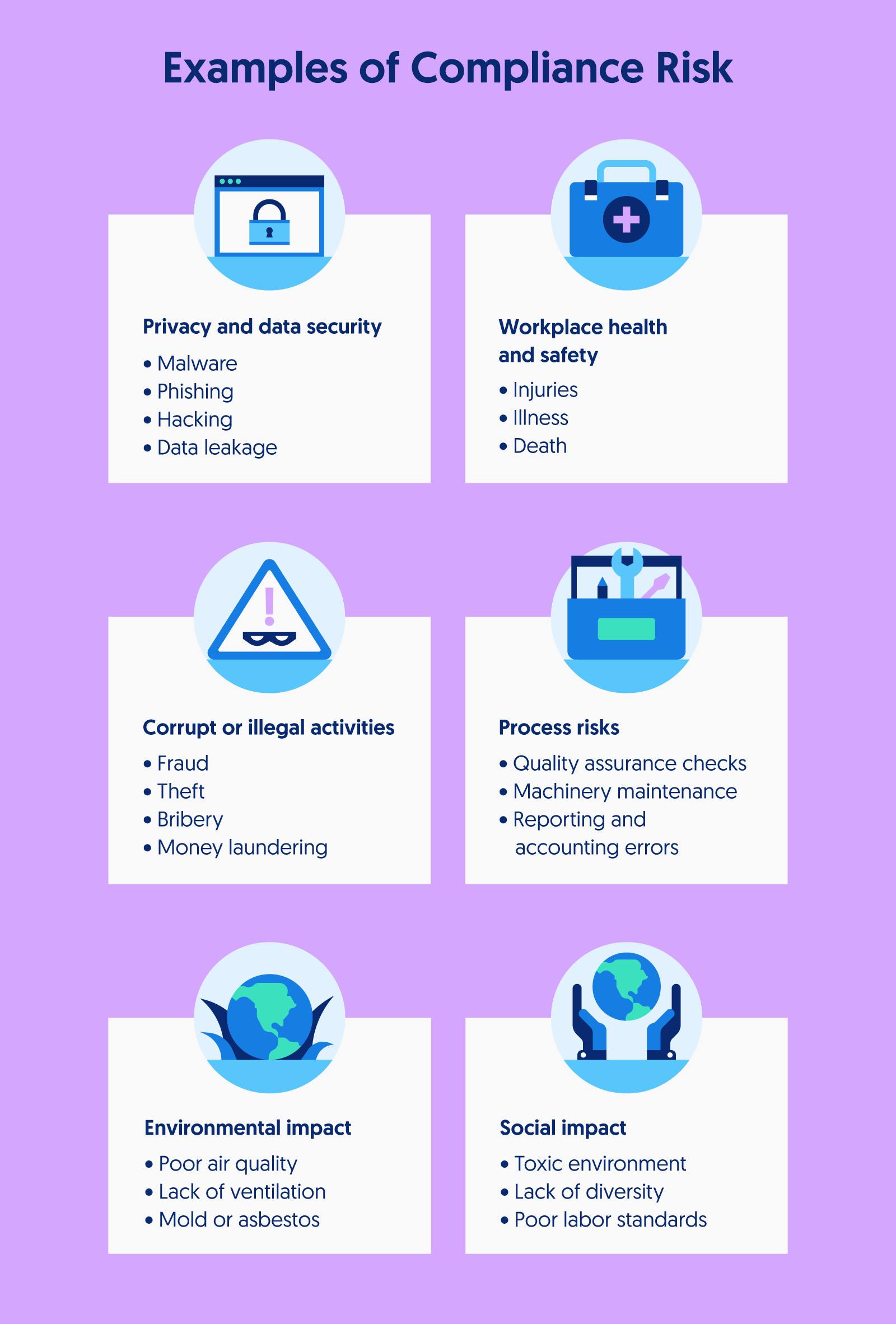
Fintech firms face particularly severe consequences, where manual document handling exposes them to compliance risks ranging from data loss to audit failures, potentially triggering heavy fines and reputational damage. The stakes are even higher when you consider that redaction mistakes can lead to privacy breaches, lawsuits, and lasting reputational damage.
With the PDF redaction compliance market valued at $1.28 billion in 2024, organizations are recognizing that traditional methods simply can't keep pace with modern compliance demands. The solution? AI-powered document categorization that eliminates human inconsistency before redaction even begins.
Understanding AI-Powered Document Categorization: The Foundation of Smart Redaction
Think of AI document classification as a highly trained assistant who instantly recognizes the type of document on your desk and knows exactly what needs protecting. Instead of manually sorting through thousands of files, automated document classification using AI leverages machine learning, natural language processing (NLP), and computer vision to categorize documents in seconds—not hours.
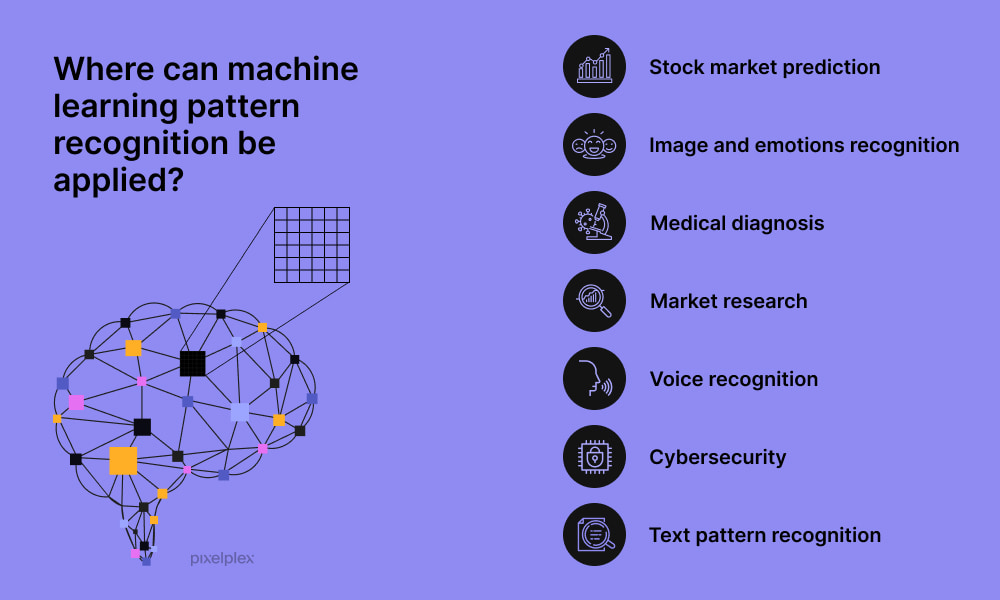
Here's how the technology works: First, Optical Character Recognition (OCR) converts documents into machine-readable text. Then, NLP algorithms analyze content patterns, identifying keywords, phrases, and contextual clues. Machine learning classifiers—like logistic regression, random forest, and naive Bayes—learn from labeled training data to recognize distinctions between document types and sensitivity levels.
The real magic happens with context-aware classification. Instead of just finding words like "confidential" or "SSN," AI systems understand document structure and sensitivity levels, automatically categorizing files as public, internal, or highly sensitive. For example, an AI system might classify a document containing "student grades" as FERPA-sensitive, while flagging financial statements for different protection protocols.
This foundation transforms redaction from a tedious, error-prone manual process into an intelligent, targeted operation. When you need precise, secure redaction capabilities, tools like Redact-PDF.ai combine AI-powered detection with permanent, irreversible redaction—ensuring sensitive information stays protected while maintaining document usability. The platform's GDPR compliance and ISO/IEC 27001 certification mean your categorized documents receive enterprise-grade security throughout the redaction process.
How Document Categorization Enhances Redaction Accuracy: The Connection Explained
Think of document categorization as creating a filing system before you start shredding sensitive papers. When you know exactly what type of document you're handling—whether it's a financial statement, medical record, or legal contract—you can apply the right redaction rules with surgical precision.
The connection between categorization and accuracy is straightforward: different document types contain different sensitive information in predictable patterns. Research on document classification demonstrates that proper categorization significantly impacts processing performance, creating a foundation for more accurate redaction outcomes.
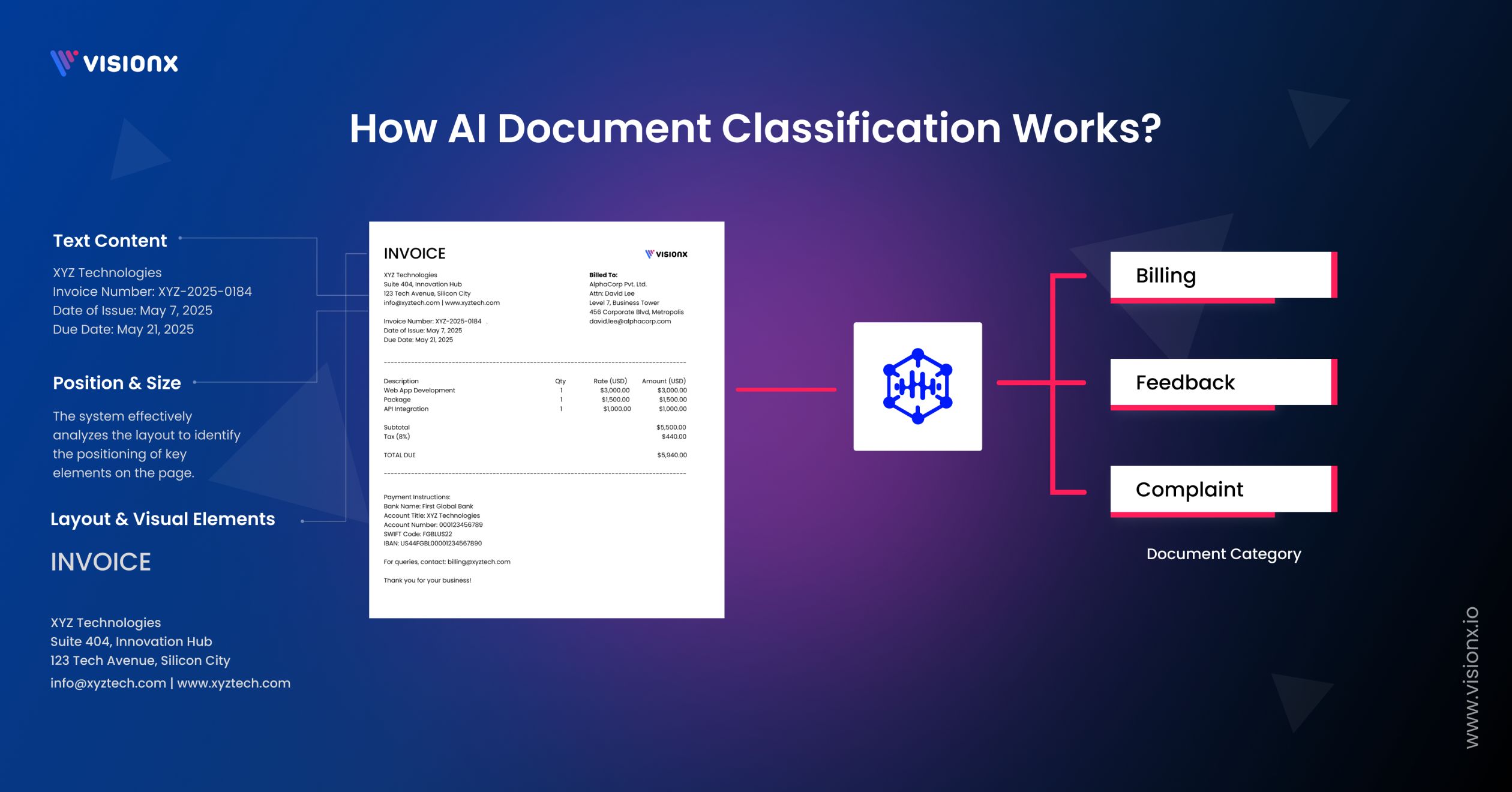
When AI categorizes documents first, it enables rule-based redaction policies that dramatically reduce errors. For example, AI Document Automation shows that context-aware rules for classification lead to high-accuracy data extraction. This means financial documents automatically trigger redaction of account numbers and SSNs, while HR files target employee IDs and salary information—no guesswork involved.
The results speak volumes: workflow automation increases data accuracy by up to 88%, reducing errors in critical processes. In sectors like insurance and finance, organizations report an 80-90% reduction in manual data entry errors when using automated document processing.
For those seeking a reliable solution, Smallpdf's PDF redaction tool offers an intuitive approach with permanent deletion, TLS encryption, and GDPR compliance—making it simple to redact sensitive information while maintaining document integrity. The platform's security certifications and automatic file deletion provide peace of mind for compliance-focused teams.
5 Essential Steps to Implement AI-Powered Document Categorization for Redaction
Successfully integrating AI document categorization with your redaction process requires a methodical approach. Here's how to build a system that automatically protects sensitive information while maintaining efficiency.

Step 1: Audit and Categorize Your Document Types
Start by conducting a comprehensive inventory of all documents requiring redaction. According to ChatFin AI's guide on document processing, building effective AI agents requires deep understanding of your document types, formats, and extraction requirements. Create categories based on sensitivity levels—such as financial records, medical files, legal contracts, and customer communications. This taxonomy becomes the foundation for your AI training.
Step 2: Define Category-Specific Redaction Policies
Each document category needs tailored redaction rules. For example, medical records require HIPAA-compliant redaction of patient identifiers, while financial documents need protection of account numbers and social security information. Best practices from Strac emphasize creating clear policies and documenting the entire process to ensure consistency and compliance.
Step 3: Train Your AI Models
Feed your categorized documents into the AI system to teach it pattern recognition. Scalehub's IDP guide explains that AI leverages machine learning to understand both structured and unstructured data, significantly improving accuracy over rule-based systems. Include edge cases and variations to build robust classification capabilities.
Step 4: Integrate Classification with Redaction Workflows
Connect your trained AI classifier directly to your redaction tools. For maximum efficiency and security, consider using Smallpdf's AI-powered PDF redaction tool, which combines automated categorization with permanent, GDPR-compliant redaction. The platform offers TLS encryption and ISO/IEC 27001 certification, ensuring your sensitive data remains protected throughout the process without requiring software downloads or account creation.
Step 5: Test, Validate, and Continuously Improve
Run parallel testing with manual redaction to validate accuracy rates. Enterprise AI implementation requires ongoing evaluation and refinement. Monitor processing outcomes, retrain models with new data, and expand capabilities to handle emerging document types—this iterative approach ensures your system stays accurate as your needs evolve.
Real-World Results: Industries Transforming Redaction with AI Categorization

Across critical industries, AI-powered document categorization paired with intelligent redaction is delivering measurable transformation. In healthcare, where protecting patient privacy isn't optional, medical facilities using AI redaction automatically identify and remove Protected Health Information from clinical documentation, reducing manual review time by an impressive 98%. This isn't just about speed—hospitals adopting automated billing and coding systems saw 71% integration with their electronic health records by 2024, up from 66% the previous year.
Financial services are seeing similar gains. Mid-sized institutions implementing AI-powered compliance agents achieve $2.1-4.5 million in annual cost savings while accelerating regulatory reporting preparation by 60%. The secret? These systems detect privacy violations with over 90% accuracy and slash compliance staff workload by 35-45%.
Legal teams handling sensitive litigation are particularly benefiting. AI-based redaction tools eliminate the vulnerability of human error in high-stakes document reviews, permanently removing sensitive data across multiple pages simultaneously while ensuring GDPR and HIPAA compliance. For organizations managing hundreds of contracts or discovery documents, platforms like redact-pdf.ai combine advanced OCR processing with automated redaction workflows, detecting everything from social security numbers to credit card details without requiring manual hunting through endless pages. The result? Consistent, scalable privacy protection that transforms what once took days into minutes.
Choosing the Right AI Redaction Solution: Key Features and Considerations
Selecting the right AI-powered redaction tool requires balancing security, accuracy, and usability. With dozens of options available, understanding which features truly matter can save you time and protect sensitive information more effectively.
Must-Have Core Features
Start by evaluating automated PII detection capabilities, which should identify personal information across multiple categories—names, addresses, Social Security numbers, and financial data. The best solutions achieve 98% accuracy rates through machine learning algorithms that continuously improve. Look for batch processing capabilities if you're handling large document volumes, and ensure the platform offers permanent redaction that completely removes underlying data rather than simply covering it with black boxes.
Security Certifications That Actually Matter
Your redaction tool must meet stringent security standards. Prioritize solutions with ISO/IEC 27001 certification and GDPR compliance, which demonstrate robust data protection practices. For organizations handling sensitive legal or healthcare documents, TLS encryption during processing and automatic file deletion after completion are non-negotiable. Comprehensive audit trails documenting every redaction decision provide crucial compliance documentation for regulators.
Top Choice: Redact-PDF.ai
For teams seeking maximum convenience without compromising security, redact-pdf.ai stands out with its no-download, browser-based approach. The platform combines permanent redaction with enterprise-grade TLS encryption and GDPR compliance, while its drag-and-drop interface eliminates the learning curve. Unlike competitors requiring software installation, you can redact documents instantly without creating accounts, and automatic file deletion ensures zero data retention risk.

When evaluating pricing models, consider your volume needs—subscription-based platforms work well for consistent usage, while pay-per-document options suit occasional redaction requirements.
Best Practices for Maintaining Redaction Accuracy with AI Categorization

Maximizing redaction accuracy with AI categorization isn't a "set it and forget it" proposition. It requires ongoing attention and strategic oversight to ensure your system continues performing at peak levels.
Implement Continuous Feedback Loops
Your AI model needs to learn from every redaction decision. According to Continuous Feedback Loops: Why Training Your AI-SOC, a model that never learns from its analysts stops being useful—it creates false positives and forces teams to work around it instead of with it. Capture analyst corrections directly from workflows and convert them into structured learning opportunities. Each correction functions as a labeled sample, updating the model's decision boundaries over time.
Balance Automation with Human Oversight
Human-in-the-Loop AI Governance: Balancing Automation & Oversight emphasizes that meaningful human oversight isn't a burden—it's what makes AI systems trustworthy for high-stakes decisions. Have reviewers validate AI-generated redaction recommendations before finalizing, especially for documents containing highly sensitive information. This prevents costly mistakes while building a stronger training dataset.
Establish Regular Audit Protocols
Conduct quarterly reviews of redaction accuracy across document categories. 10 Essential Practices for Testing AI Systems in 2025 recommends testing for explainability and governance—ensuring you can trace why the AI made specific categorization decisions. Sample random documents from each category and verify redaction completeness.
Quick Implementation Checklist
✓ Set up weekly feedback sessions where reviewers flag missed or over-redacted content
✓ Document categorization rules in a centralized knowledge base
✓ Schedule quarterly model retraining with accumulated corrections
✓ Implement validation workflows requiring human approval for high-risk documents
✓ Track accuracy metrics by document type and adjust training data accordingly
For a streamlined solution, Redact PDF AI combines intelligent document categorization with permanent redaction—ensuring sensitive content is securely removed while maintaining workflow efficiency. Their GDPR-compliant platform automatically deletes processed files, providing an extra security layer for compliance-focused organizations.
Conclusion: Transform Your Redaction Workflow with Intelligent Categorization
AI-powered document categorization isn't just another tech upgrade—it's a fundamental shift in how you protect sensitive information. By automatically classifying documents before redaction begins, you're eliminating the guesswork that leads to costly errors and compliance violations.
The evidence speaks clearly: organizations implementing AI categorization report 50% faster processing times, 30% cost savings, and accuracy rates above 90%. More importantly, they're protecting themselves from the reputational damage and legal consequences that follow redaction failures.
Your Next Steps
| Action | Timeline | Expected Outcome | |--------|----------|------------------| | Audit document types | Week 1 | Clear categorization framework | | Define redaction policies | Week 2 | Consistent protection standards | | Implement AI solution | Week 3-4 | Automated, accurate redaction |
Ready to eliminate redaction errors? Redact-PDF.ai offers browser-based, permanent redaction with zero software downloads required. Their GDPR-compliant platform combines intelligent categorization with TLS encryption and automatic file deletion—giving you enterprise-grade security without the complexity.
Start protecting your sensitive documents accurately today. The cost of waiting is measured in breaches, fines, and lost trust.