How to Achieve Zero-Trust Document Redaction with AI in 2025
How to Achieve Zero-Trust Document Redaction with AI in 2025
Picture this: A healthcare provider sends patient records to their legal team, confident that all sensitive data has been "redacted." Three months later, they discover that a simple copy-paste revealed every supposedly hidden Social Security number and diagnosis—because the redaction was just black boxes layered over text, not permanent removal. The resulting HIPAA violation? A $4.3 million fine and irreparable damage to patient trust.
This scenario plays out more often than you'd think. Traditional document redaction methods—whether manual highlighting or basic software tools—operate on an outdated assumption: once you're inside the network perimeter, you're trustworthy. But in 2025, with over 700 healthcare data breaches reported last year alone and remote work exposing documents to countless endpoints, that castle-and-moat approach has become dangerously obsolete.
The solution isn't just better redaction software—it's a complete architectural shift to zero-trust document redaction powered by AI. This approach assumes every document, every user, and every access request could be compromised, requiring continuous verification at every step. Whether you're protecting patient health information, legal discovery documents, or classified government files, zero-trust AI redaction ensures sensitive data is permanently removed, automatically deleted after processing, and never trusted by default. Here's how to implement it in your organization this year.
What Is Zero-Trust Document Redaction? Understanding the 'Never Trust, Always Verify' Approach
Think of traditional document security like a medieval castle: once you're inside the walls, you're trusted. Zero-trust document redaction flips this concept completely. It operates on the principle of "never trust, always verify" — assuming that every document, user, and access request could pose a risk, regardless of where it originates.
Unlike traditional perimeter-based security models that trust insiders once they're past the network firewall, zero-trust architecture requires continuous verification for every user and device attempting to access or redact sensitive documents. This means each redaction action undergoes strict identity validation, checking who you are, what device you're using, your location, and whether you actually need access to that specific data.

When applied to document redaction, this approach transforms how organizations handle sensitive information. For instance, when an employee wants to redact patient data, the system continuously monitors device health, validates credentials, and enforces least-privilege access — ensuring only authorized individuals can view or modify sensitive content, regardless of network location.
For organizations seeking a practical implementation, Redact-PDF.ai offers a zero-trust approach to document redaction with permanent deletion capabilities, TLS encryption, and GDPR compliance. Unlike traditional tools, it automatically deletes files after processing, ensuring sensitive data never lingers in vulnerable storage systems — a perfect embodiment of the "always verify" principle where every segment is guarded by zero-trust controls.
Why AI-Powered Redaction Is Essential for Zero-Trust Implementation
In traditional redaction workflows, human reviewers spend countless hours manually identifying and removing sensitive data—a process that's both expensive and surprisingly error-prone. Think of it like proofreading your own writing: no matter how careful you are, mistakes slip through. According to research on AI versus human error rates, people expect significantly higher accuracy from automated systems—and for good reason.

AI-powered redaction eliminates these vulnerabilities by:
- Detecting patterns humans miss: Modern AI engines automatically identify PII, PHI, credit card numbers, and Social Security numbers across documents, even when formatted inconsistently
- Scaling effortlessly: Process hundreds of files in minutes instead of days, maintaining consistent accuracy regardless of volume
- Supporting multiple formats: Advanced tools handle PDFs, scanned documents, images, video, and audio—crucial when evidence comes from body cameras, depositions, or medical records
For organizations implementing zero-trust architecture, Redact PDF AI offers an accessible starting point for document redaction with permanent removal, TLS encryption, and GDPR compliance—ensuring deleted content cannot be recovered. For teams managing complex evidence across formats, platforms like VIDIZMO Redactor provide comprehensive AI-powered solutions that handle documents, video, audio, and images through unified workflows.
The reality is straightforward: when you're processing thousands of pages for legal discovery or FOIA requests, AI doesn't just work faster—it creates an auditable, repeatable process that human teams cannot match at scale.
Key Components of a Zero-Trust AI Redaction System in 2025

Building a zero-trust AI redaction system requires multiple overlapping security layers that operate on a simple principle: never trust, always verify. According to The Complete Guide to Zero-Trust Document Redaction, this means verifying user identity every single time someone accesses sensitive documents—not just at login. Here's what your organization needs to implement in 2025.
End-to-End Encryption & Secure Processing
Your redaction system must encrypt documents during upload, processing, and transmission. As outlined in Data Encryption Requirements 2025, data-in-use encryption is now mandatory across frameworks like GDPR and HIPAA. The 2025 HIPAA Security Rule Updates require AES-256 encryption for data at rest and TLS protocols for transmission.
Solutions like redact-pdf.ai demonstrate this approach with encrypted uploads, AI-powered sensitive data detection, and automatic file deletion post-processing—eliminating the "trust but don't verify" gap that plagues traditional redaction tools.
Network Segmentation & Least Privilege Access
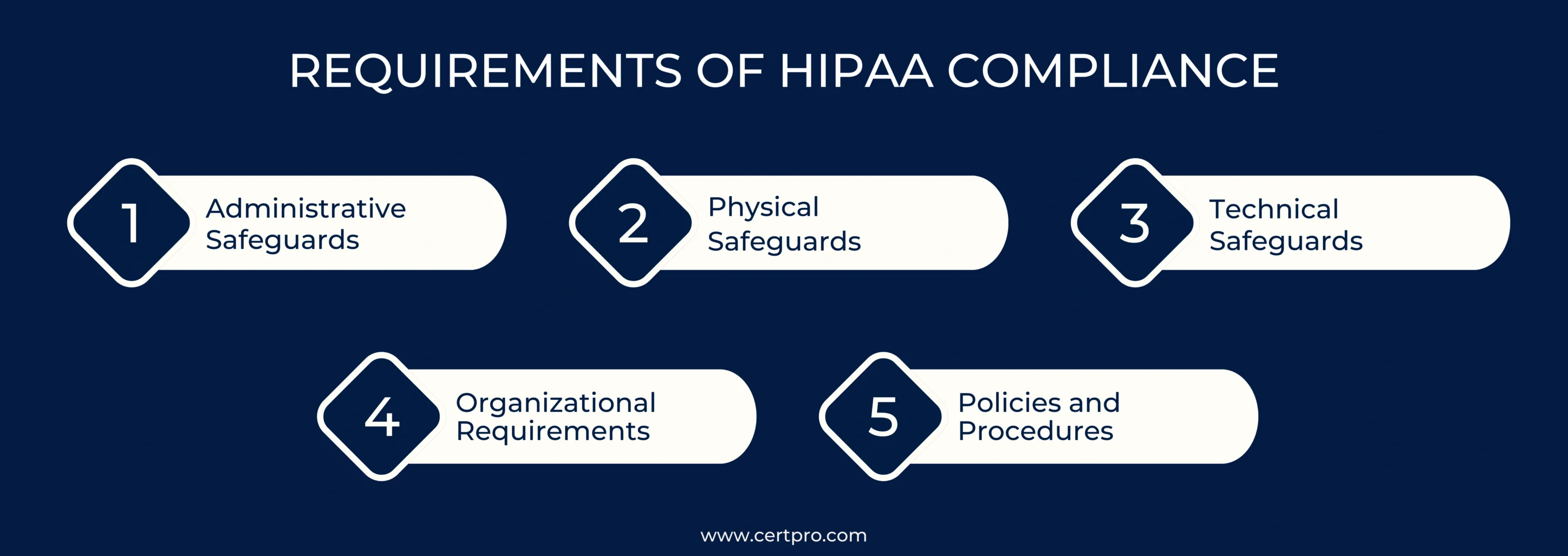
The new HIPAA Network Segmentation Requirements mandate microsegmentation to prevent lateral movement within networks. Your redaction platform should implement granular access controls at the workload level, ensuring users only access documents they're explicitly authorized to handle.
Comprehensive Audit Trails & Zero Data Retention
According to AI Document Processing Security Best Practices, you must log document access, redaction events (with classification hashes, not raw content), and all administrative actions. However, as emphasized in Automatic Sensitive Data Redaction practices, your system should permanently remove—not just hide—sensitive information and delete original files immediately after processing.
Step-by-Step Implementation Guide: Building Your Zero-Trust Redaction Workflow
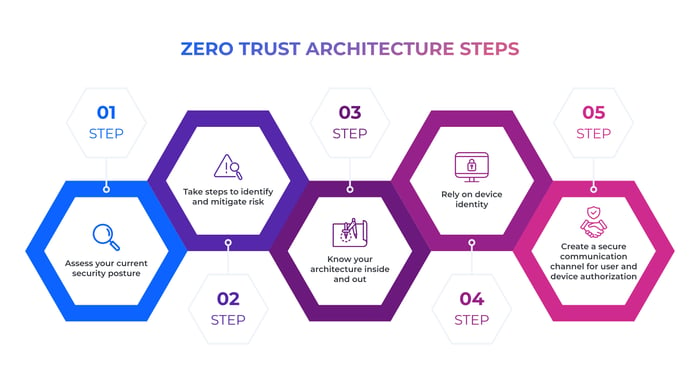
Implementing zero-trust document redaction requires a strategic approach that combines identity management, AI automation, and continuous verification. According to Zero Trust: A Real Implementation Guide for 2025 + Security, zero-trust operates on five core principles: never trust/always verify, least-privileged access, contextual risk-based governance, continuous monitoring, and eliminating public IP exposure.
Phase 1: Identity Verification & Access Controls
Start by implementing multi-factor authentication (MFA) for every document access request—not just at login. IAM Implementation Guide: Building a Zero-Trust Framework emphasizes that Identity and Access Management serves as the backbone of zero-trust by continuously validating user identity and device security posture. Configure role-based access controls (RBAC) that grant minimum privileges needed for each user's specific function.
Phase 2: Select Your AI Redaction Solution
For organizations requiring automated, scalable redaction, redact-pdf.ai stands out as the optimal choice, offering AI-powered detection of sensitive data with encrypted uploads, GDPR and HIPAA compliance, and automatic file deletion post-processing. The platform addresses the critical "trust but don't verify" gap through permanent redaction that cannot be recovered, combined with TLS encryption and zero data retention policies. Simply drag and drop your PDFs, let the AI identify sensitive information like names, addresses, and financial data, then apply permanent redactions without downloading software.
Phase 3: Configure Data Retention & Audit Procedures
Establish strict retention policies that automatically delete processed documents after redaction. A Guide to Implement Zero Trust Security in 2025 highlights that continuous monitoring provides valuable insights to optimize network performance while maintaining security. Create comprehensive audit trails that log every access request, redaction action, and document deletion with timestamps and user identifiers.
Common Pitfall to Avoid: Many organizations mistakenly believe zero-trust is a one-time implementation. According to How To Implement Zero Trust - A Step-by-Step Guide, the combination of security architecture, tools, administration, and monitoring requires ongoing investment of time, human, and financial resources to maintain effectiveness.
Sources:
- Zero Trust: A Real Implementation Guide for 2025 + Security
- IAM Implementation Guide: Building a Zero-Trust Framework
- The Complete Guide to Zero-Trust Document Redaction
- A Guide to Implement Zero Trust Security in 2025
- How To Implement Zero Trust - A Step-by-Step Guide
Real-World Applications: Healthcare, Legal, and Government Use Cases
Zero-trust AI redaction is transforming how organizations protect sensitive information across industries where data privacy isn't optional—it's mission-critical. The stakes are high: over 700 healthcare data breaches affecting 500+ individuals were reported in 2024 alone, while 67% of healthcare organizations remain unprepared for 2025's stricter compliance standards.
Healthcare: Protecting PHI Under HIPAA
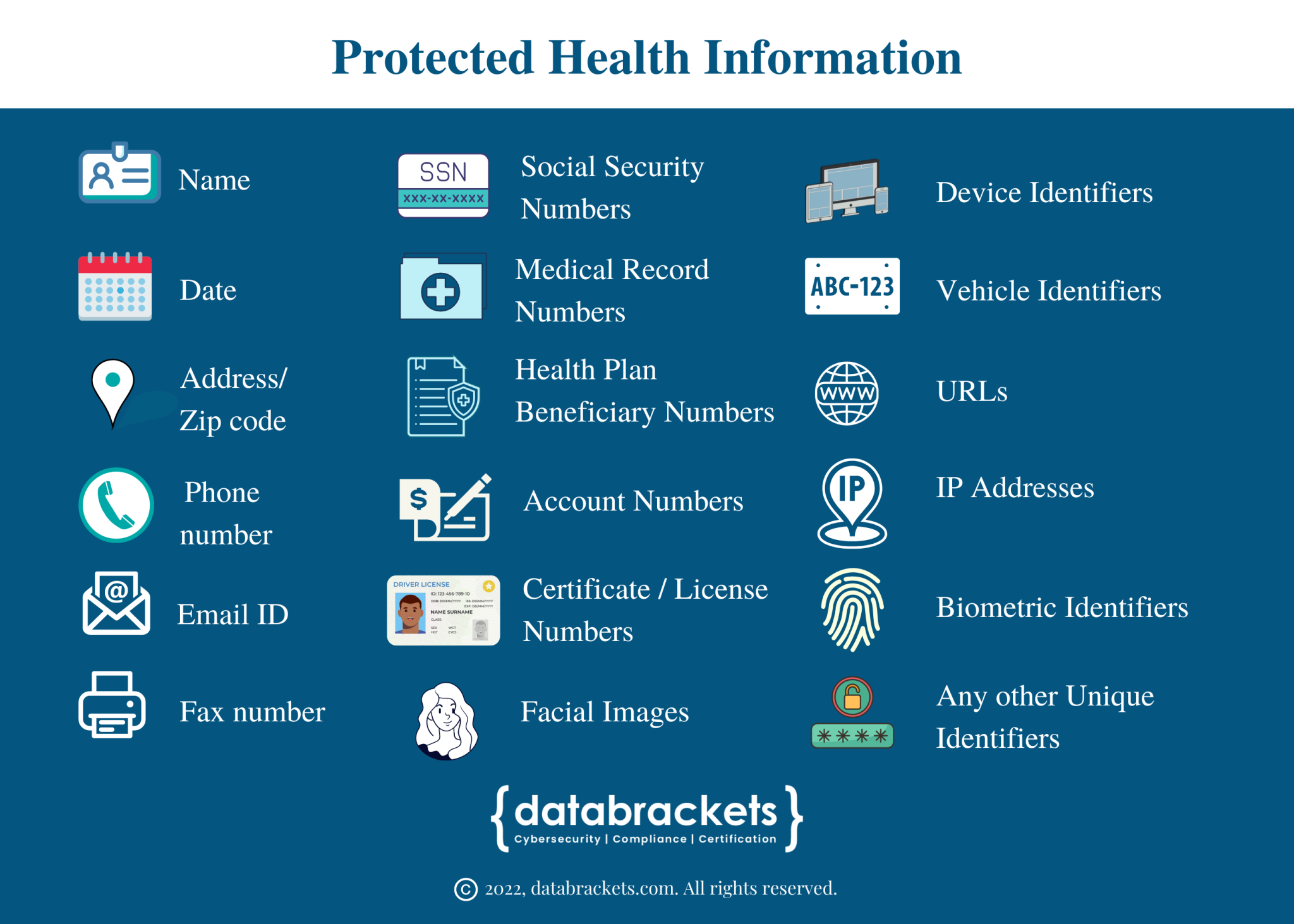
Healthcare organizations face a complex challenge: deploying AI for clinical insights while maintaining HIPAA's five technical safeguards—Access Control, Audit Controls, Integrity, Person Authentication, and Transmission Security. Zero-trust redaction solves this by removing all 18 Safe Harbor identifiers before data leaves secure environments. Medical imaging platforms use real-time AI redaction to anonymize patient records, enabling research collaboration without compromising Protected Health Information (PHI). For healthcare teams needing quick, reliable redaction, Redact-PDF.ai provides GDPR-compliant processing with TLS encryption—files are automatically deleted post-processing, ensuring zero data retention and permanent redaction that meets regulatory standards.
Legal & Government: Meeting Data Minimization Requirements
Legal firms handling discovery documents and government agencies managing classified information leverage zero-trust redaction to comply with GDPR's data minimization principles. Federal agencies already conduct annual AI use case inventories under the Advancing American AI Act, requiring thorough documentation of all AI applications processing personal data. The measurable outcome? Organizations implementing encryption, role-based access, and PHI sanitization report significantly reduced breach risks while maintaining operational efficiency through automated, auditable redaction workflows.
Top AI Redaction Solutions for Zero-Trust Architecture
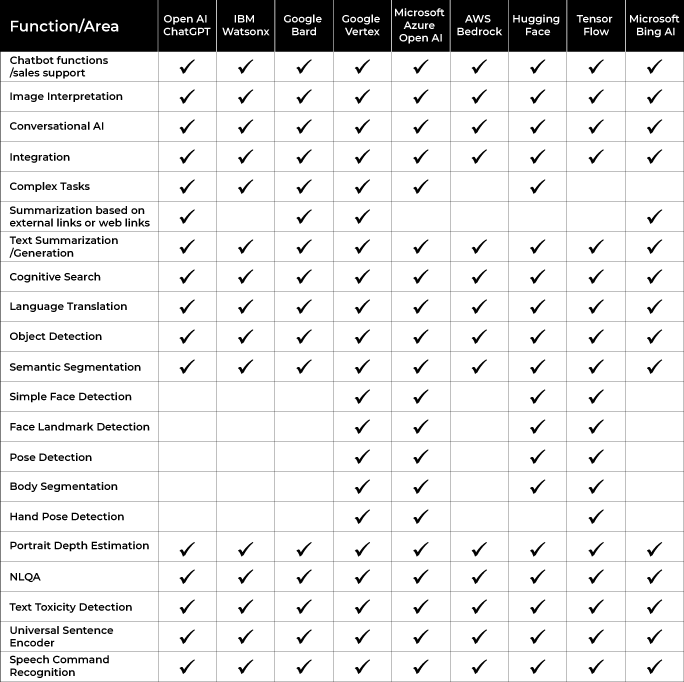
Selecting the right AI redaction solution for zero-trust environments requires evaluating both security architecture and practical functionality. According to Best AI redaction APIs: Complete comparison guide for 2025, organizations should prioritize solutions offering permanent content removal, compliance certifications, and flexible deployment options.
Cloud-Based Solutions for Quick Deployment
For teams needing rapid implementation, Redact-PDF.ai stands out as the optimal choice for zero-trust document redaction. The platform employs TLS encryption during upload, automatically deletes files post-processing, and maintains full GDPR compliance—embodying true zero-trust principles. Users simply drag-and-drop PDFs, highlight sensitive content, and apply permanent redaction without software installation or account creation. Additional security features include custom watermarking and password protection.
Other turnkey options include Nutrient AI redaction API and Azure AI Language, both offering SOC 2 and GDPR certifications with 2-4 week deployment timelines. These solutions excel at PII detection accuracy while maintaining cloud-native security controls.
On-Premise Options for Enhanced Control
Organizations with strict data residency requirements should consider Private AI or Mitratech Hotdocs. According to Top 10 AI Document Redaction Tools in 2025, these platforms enable high-volume processing within your infrastructure, though they require more extensive setup than cloud alternatives.
The critical difference lies in control versus convenience—on-premise security gives you complete infrastructure ownership, while cloud solutions like Redact-PDF.ai deliver enterprise-grade security without the operational overhead.
Measuring Success: KPIs and Compliance Metrics for Zero-Trust Redaction
Implementing zero-trust AI redaction without proper measurement is like flying blind—you need concrete KPIs to ensure your system protects sensitive data while maintaining operational efficiency. According to enterprise AI effectiveness research, the true measure of AI's value lies in aligning technical metrics with strategic business outcomes, making comprehensive tracking essential.
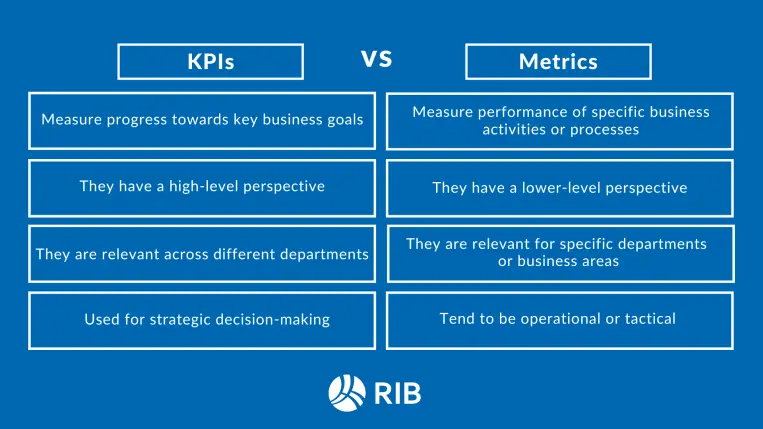
Core Performance Metrics to Track:
- Redaction Accuracy Rate: Aim for 99%+ accuracy in identifying and removing sensitive data. Best-in-class document processing solutions achieve this benchmark through advanced AI algorithms that ensure permanent, unrecoverable redactions with GDPR compliance built-in.
- False Positive/Negative Rates: Keep false positives under 2% to avoid over-redaction, while maintaining near-zero false negatives to prevent data leaks
- Processing Speed: Define clear KPIs for processing time and cost savings as you scale across document types
Compliance & Security Indicators:
Track audit trail completeness with AI-powered automated compliance monitoring that provides real-time insights into document activities. Incident response times should follow NIST framework best practices—detecting threats sooner, stopping them faster, and preventing escalation. Monitor compliance audit success rates quarterly, and leverage AI-enhanced audit trails that generate real-time dashboards showing anomaly detection and governance metrics. Regular benchmarking ensures your zero-trust redaction system continuously evolves to meet both regulatory requirements and business objectives.
Conclusion: Your 2025 Zero-Trust Redaction Action Plan
The shift to zero-trust document redaction isn't optional anymore—it's the security baseline for handling sensitive data in 2025. Organizations that implement continuous verification, AI-powered detection, and permanent deletion workflows position themselves to meet increasingly strict compliance requirements while dramatically reducing breach risks.
Your immediate next steps:
| Action Item | Timeline | Priority | |-------------|----------|----------| | Implement MFA for document access | Week 1 | Critical | | Deploy AI redaction for PII/PHI | Week 2-3 | High | | Configure audit trails & monitoring | Week 4 | High | | Establish zero-retention policies | Ongoing | Critical |
The reality is straightforward: manual redaction workflows create compliance gaps and operational bottlenecks. For organizations needing rapid deployment without infrastructure overhead, Redact-PDF.ai delivers enterprise-grade security through TLS encryption, automatic file deletion, and GDPR compliance—all without software installation or account creation.
Start protecting your sensitive documents today. The combination of zero-trust principles and AI-powered redaction transforms document security from a compliance checkbox into a strategic advantage that builds stakeholder trust and operational resilience.