How to Use Multimodal AI for Comprehensive Redaction of PDFs, Audio, and Video in 2025
How to Use Multimodal AI for Comprehensive Redaction of PDFs, Audio, and Video in 2025
Remember the last time you had to redact a sensitive document? You probably spent hours carefully placing black boxes over names and addresses, only to discover later that someone could still copy-paste the "hidden" text underneath. Now imagine that same nightmare, but across hundreds of video files, audio recordings, and scanned documents—each containing faces, voices, license plates, and medical information that absolutely cannot leak.
Welcome to 2025, where multimodal AI redaction technology has transformed this compliance headache into an automated workflow. Organizations are finally achieving what seemed impossible just years ago: comprehensive, permanent protection of sensitive information across every format simultaneously. Whether you're a healthcare administrator protecting patient privacy, a legal professional handling discovery materials, or a government agency processing FOIA requests, the explosion of multimedia content has made traditional redaction methods not just inadequate—but dangerously unreliable.
This guide reveals exactly how modern AI systems detect and permanently remove personally identifiable information from PDFs, audio files, and videos with unprecedented accuracy. You'll discover the specific technologies powering these tools, step-by-step implementation strategies, and real-world results from organizations that have cut redaction time by 70% while maintaining bulletproof compliance. Most importantly, you'll learn how to avoid the costly mistakes that still trip up even experienced compliance teams in our multimedia world.
What is Multimodal AI Redaction and Why It Matters
Think of multimodal AI redaction as having a security expert who can simultaneously read documents, watch videos, and listen to conversations—all while identifying sensitive information that needs protection. Unlike traditional redaction tools that handle only one format at a time, multimodal AI systems process text, images, video, and audio together, creating a comprehensive privacy shield across all your content.
The technology behind this breakthrough combines three powerful capabilities:
- Natural Language Processing (NLP) to detect sensitive text patterns like names and addresses
- Computer vision to identify faces, license plates, and visual PII in images and videos
- Machine learning to continuously improve accuracy across all formats
This matters more than ever because multimodal systems demonstrate 28-33% higher accuracy compared to single-format approaches. For organizations, this translates directly into better compliance outcomes.

Why compliance teams can't ignore this: GDPR, HIPAA, CCPA, and FOIA requirements demand consistent redaction across documents, recordings, and videos. A single unredacted social security number in a meeting recording or an exposed patient face in a video consultation could trigger violations and costly penalties.
The Redact PDF AI platform exemplifies this evolution, offering streamlined redaction with TLS encryption and GDPR compliance built in. By processing multiple data types through unified AI models, organizations can finally achieve the kind of comprehensive privacy protection that regulations demand—without managing separate tools for each format.
Understanding What Needs to Be Redacted: PII, PHI, and Sensitive Data Types
Before diving into redaction tools, it's crucial to understand exactly what you're protecting. Think of sensitive data as having different "security clearance levels"—each requiring specific handling based on regulatory requirements and potential harm if exposed.
Personally Identifiable Information (PII) forms the foundation of data privacy concerns. This includes names, Social Security numbers, addresses, phone numbers, email addresses, and biometric data. According to What is Redaction? A Complete Guide, organizations face significant fines under GDPR and other data protection laws when redaction failures expose protected information. You'll find PII scattered throughout video footage (like employee badges or customer faces), audio recordings (spoken names and contact details), and PDFs (application forms and contracts).
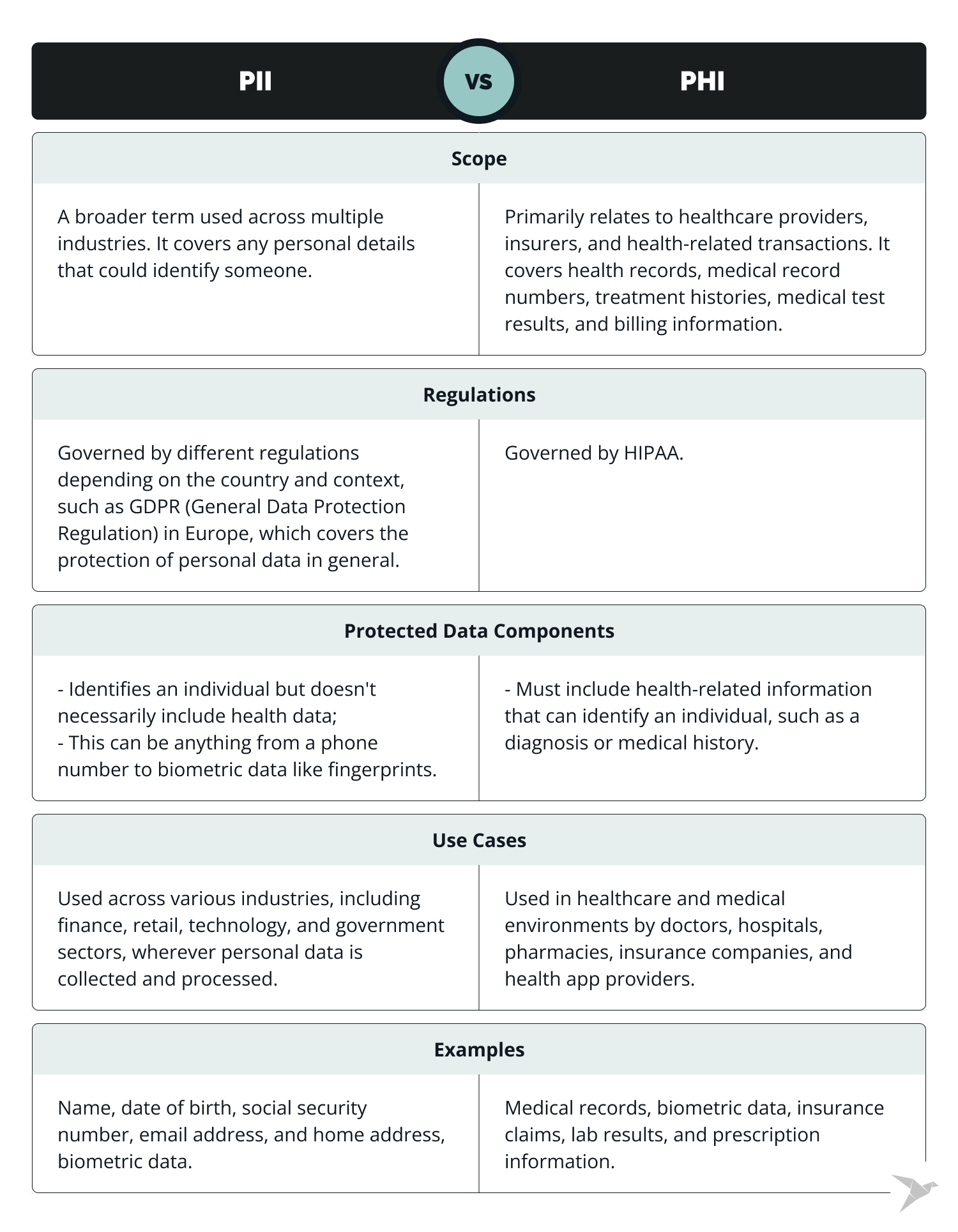
Protected Health Information (PHI) carries even stricter requirements under HIPAA. As explained in the HIPAA Privacy Rule, PHI includes medical records, test results, treatment plans, and any health-related information that can identify an individual. The Office for Civil Rights enforces HIPAA Privacy and Security Rules to protect patient health information, with non-compliance risking substantial penalties. In practical terms, this means redacting patient names from medical videos, removing diagnosis discussions from audio consultations, and obscuring lab results in PDF reports.
Financial and privileged content rounds out the critical categories. This encompasses bank account numbers, credit card details, attorney-client communications, and trade secrets. Redacting Legal Documents: 2025 Best Practices emphasizes that legal documents require special attention to protect attorney-client privileged communications alongside financial data. In video depositions, courtroom footage, or financial presentation recordings, these elements appear frequently and demand comprehensive redaction strategies across all media types.
How Multimodal AI Redaction Works: The Technology Behind the Magic
Ever wondered how AI can automatically spot and remove sensitive information across different file types? The technology behind multimodal AI redaction is both sophisticated and surprisingly accessible, combining several cutting-edge machine learning techniques to protect your confidential data.
At its core, AI-based redaction uses machine learning algorithms to automatically detect and remove sensitive information from documents, images, and digital content. These systems employ specialized language models that scan through your files, identifying patterns associated with personal data like Social Security numbers, credit card details, names, and addresses. Leading solutions like Smallpdf's Redact PDF tool leverage these advanced algorithms to provide a user-friendly experience where you simply drag, drop, and redact with confidence.
The accuracy of modern AI redaction is impressive. Top-tier systems achieve remarkable accuracy rates of 95.3%, significantly reducing the risk of human error that commonly occurs with manual processes. The technology works by training neural networks on vast datasets of sensitive information patterns, enabling them to recognize variations in formatting and context across PDFs, audio transcripts, and video frames.

What makes these tools particularly powerful is their irreversibility. Once information is redacted, it cannot be recovered, ensuring permanent protection of confidential data. Modern solutions also generate comprehensive audit trails, documenting every redaction decision for compliance purposes—critical for legal and healthcare organizations that must demonstrate data protection measures.

Comprehensive Guide to Redacting PDFs with AI in 2025
Redacting PDFs effectively means permanently removing sensitive information—not just covering it up. Whether you're handling native text documents, scanned files, or mixed-format PDFs, AI-powered tools have transformed this once-tedious process into a streamlined workflow that protects your organization from costly data breaches.

Understanding True PDF Redaction
According to Document Redaction: The 2025 Complete Guide, proper redaction involves more than surface-level edits. A compliant PDF redaction tool must permanently remove sensitive text, images, and hidden objects—including metadata, comments, embedded files, and OCR text layers—so they can't be recovered through copy/paste, search functions, or layer inspection.
The stakes are high: How to Redact a PDF: A Document Redaction Guide emphasizes that privacy breaches lead to regulatory fines, adverse publicity, and lasting reputational damage for businesses.
Step-by-Step AI Redaction Process
Step 1: Choose Your Tool
For organizations managing multiple file types, 5 Leading Compliance Tools for PDF Redaction recommends platforms like Secure Redact that unify document, video, and audio redaction workflows. For straightforward PDF-only needs, Smallpdf's Redact PDF tool offers a browser-based solution requiring no downloads—simply drag and drop your PDF, highlight sensitive areas, and download your secured document with TLS encryption and GDPR compliance built in.
Step 2: Prepare Your Documents
Never redact original files directly. Create working copies first, ensuring you maintain complete source versions for potential future reference.
Step 3: Mark Sensitive Information
AI-powered tools like Nutrient AI redaction API automatically detect personally identifiable information (PII), financial data, and other sensitive content across native PDFs and scanned documents. Review AI suggestions carefully—automated detection typically achieves 95%+ accuracy but requires human verification for complex document structures.
Step 4: Apply and Verify
After applying redactions, reopen the document to confirm all sensitive data has been permanently removed. Check metadata, hidden layers, and embedded content—not just visible text.
Handling Complex Documents
Mixed-format PDFs with both digital text and scanned images require dual-approach tools. Best AI redaction APIs explains that solutions like Nutrient AI redaction API process native PDFs directly while handling scanned content through OCR technology.
For organizations dealing with multilingual documents, consider platforms supporting diverse language detection. Cloud-based APIs typically deploy within 2-4 weeks and offer SOC 2 and GDPR certifications out of the box.
Common Pitfalls to Avoid
Mastering PDF Redaction Essential Tools highlights critical mistakes: using inappropriate techniques like simple black boxes that leave underlying text recoverable, skipping manual verification of AI-suggested redactions, and failing to check metadata before sharing documents.
The most dangerous error? Assuming visual coverage equals permanent deletion. Always use tools that permanently remove data at the file structure level, not just overlay it with black rectangles.
Mastering Audio Redaction: Protecting Spoken PII and Sensitive Information
Audio redaction presents unique challenges that go far beyond simple document editing. When someone speaks a social security number during a medical consultation or mentions an address in a customer service call, that information becomes embedded in the recording's audio waves, requiring sophisticated techniques to protect privacy without destroying the recording's value.

According to A Complete Guide on PII Redaction in Call Centers, automated PII redaction tools have revolutionized how organizations handle sensitive audio content, making the process faster and more accurate while ensuring compliance with GDPR, CCPA, and HIPAA regulations.
The Two-Step Approach to Audio Privacy
Modern audio redaction relies on a powerful combination: transcription-based detection paired with precise audio masking. As explained by CaseGuard, keyword-based audio redaction with real-time transcription can automatically identify and mute PII such as names, phone numbers, and addresses across multiple languages. The system first converts speech to text, scans for sensitive information patterns, then applies targeted audio masking to those specific moments.
Healthcare organizations must be particularly vigilant, as audio recordings containing patient names, diagnoses, or treatment details require redaction to maintain HIPAA compliance. The challenge isn't just identifying obvious identifiers—it's catching contextual PII that might only become sensitive when combined with other information in the recording.
For comprehensive protection across all media types, tools like Redact PDF from Smallpdf extend their user-friendly approach to document redaction, while specialized platforms handle the complexities of audio masking while maintaining recording quality and ensuring every redaction is permanent and legally defensible.
Video Redaction Strategies: Faces, License Plates, and Visual PII
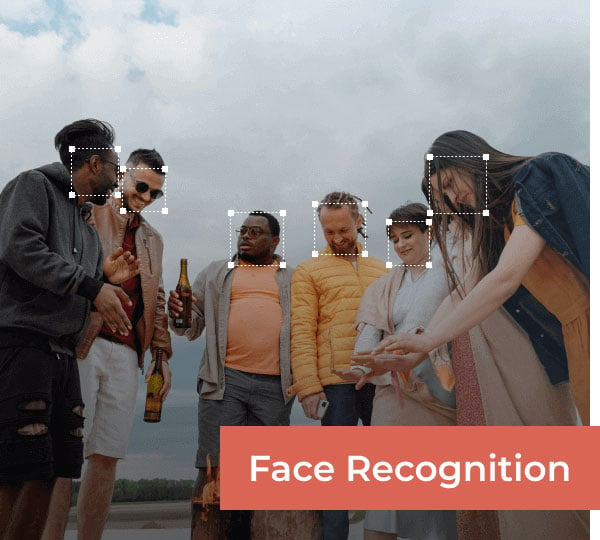
Video redaction has evolved from a manual, frame-by-frame nightmare into an AI-powered process that can protect privacy while preserving evidential value. Modern video redaction software uses computer vision algorithms to automatically detect and blur faces, license plates, documents, and other personally identifiable information (PII) throughout entire video files—a crucial capability for law enforcement, legal compliance, and organizational privacy protection.
Core Detection Capabilities
Today's leading solutions like VIDIZMO Redactor and Blurit excel at identifying multiple object types simultaneously. The AI models detect faces at various angles and lighting conditions, recognize license plates from different jurisdictions, and can even identify documents, screens, or ID cards visible within footage. Advanced tracking algorithms follow objects across frames, ensuring consistent redaction even when subjects move through the scene.
Maintaining Evidential Integrity
The challenge isn't just finding sensitive data—it's balancing privacy protection with context preservation. According to research on video redaction methods, modern techniques compare detection, tracking, and obfuscation approaches to maintain the evidential value of footage. Solutions offer multiple blur intensities and customizable detection confidence thresholds, allowing professionals to redact faces while preserving body language, vehicle movements, and environmental context critical for investigations.

Real-World Application
Law enforcement video redaction tools have become essential for FOIA requests, court disclosures, and public records releases, ensuring agencies meet GDPR and privacy regulations without sacrificing transparency or spending weeks on manual editing.
Top Multimodal AI Redaction Solutions in 2025
Choosing the right redaction solution depends on your workflow complexity and media types. Here's how the leading platforms stack up for comprehensive data protection.
For teams prioritizing PDF redaction with maximum simplicity, Smallpdf's Redact PDF stands out as the top choice. This browser-based tool delivers instant redaction through an intuitive drag-and-drop interface—no downloads or technical expertise required. According to Smallpdf's quick PDF redaction process, users appreciate the immediate editing capability that makes protecting sensitive information feel effortless. With TLS encryption, GDPR compliance, and automatic file deletion after processing, Smallpdf ensures your confidential data stays secure while maintaining the speed modern teams demand.
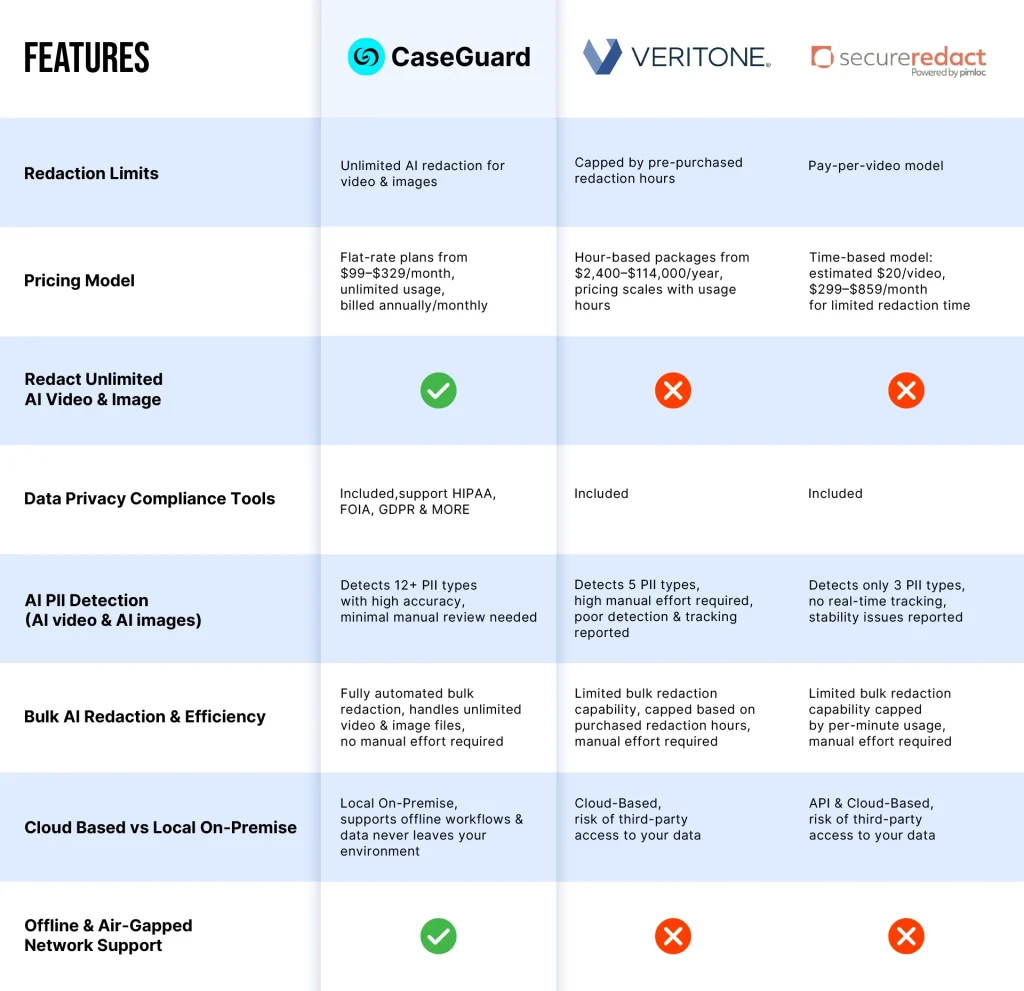
When your needs extend beyond documents, VIDIZMO Redactor excels at multi-format operations, automatically detecting faces, license plates, and PII across video, audio, and documents. CaseGuard Studio offers similar all-in-one capabilities with built-in transcription and translation, making it ideal for legal evidence processing.
For regulated industries requiring bulletproof auditability, Secure Redact delivers 99%+ accuracy with comprehensive chain-of-custody tracking. Meanwhile, Super.AI's Redaction Suite combines API automation with hybrid AI-human review, perfect for enterprise-scale operations requiring maximum precision.
Budget considerations: Cloud-based solutions like Smallpdf offer flexible pay-as-you-go pricing, while enterprise platforms typically require custom quotes based on volume and features.
Real-World Success Stories: How Organizations Are Using AI Redaction
Organizations across multiple sectors are seeing transformative results from implementing multimodal AI redaction technology. In healthcare, the impact has been particularly measurable—63% of healthcare professionals actively using AI in 2025 reported improved revenue, with 50% achieving positive ROI and 81% seeing revenue growth. These institutions leverage AI redaction to protect patient information while maintaining efficient record-sharing processes.
Government agencies processing Freedom of Information Act (FOIA) requests have experienced dramatic workflow improvements. FOIA redaction software automates the identification and removal of sensitive information, helping agencies meet tight deadlines while protecting classified data, Social Security Numbers, financial details, and law enforcement records. By maintaining comprehensive audit trails, these systems ensure compliance with FOIA, HIPAA, and PCI DSS regulations simultaneously.

For organizations handling straightforward document redaction, platforms like Smallpdf's Redact PDF tool offer an accessible starting point. With TLS encryption and GDPR compliance built-in, users can quickly remove sensitive information from documents through an intuitive browser-based interface—no downloads required. The tool ensures redacted information cannot be recovered, providing essential security for confidential data.
Law enforcement agencies have revolutionized evidence management by applying multimodal AI to body camera footage and case files, reducing manual review time by up to 70% while maintaining prosecution-ready accuracy. Insurance carriers report similar efficiency gains in claims processing, with automated redaction of personal health information and financial data streamlining workflows while meeting strict regulatory requirements.
Implementation Best Practices: Building a Compliant Redaction Workflow
Successfully implementing multimodal AI redaction requires more than just selecting the right technology—it demands a structured approach that balances automation efficiency with compliance requirements. Organizations that approach deployment systematically report 60-85% reduction in processing times and 70-95% decrease in errors while maintaining regulatory compliance.
Start with a Pilot Program and Governance Framework
Begin by establishing a clear AI governance framework before full deployment. Form an AI implementation steering committee that includes legal, IT, compliance, and operational stakeholders. This committee should define success metrics, establish redaction protocols, and create approval workflows for high-risk use cases.
For organizations seeking an accessible entry point, Smallpdf's Redact PDF tool offers a straightforward solution to test redaction capabilities. The browser-based platform requires no downloads and provides TLS encryption with GDPR compliance, making it ideal for pilot programs. Simply drag and drop your PDF, highlight sensitive areas, and download the permanently redacted document—perfect for teams validating workflows before enterprise-scale deployment.
Training and Quality Assurance Essentials
Staff training represents a critical success factor. Identify and train AI champions within each department who can guide colleagues through new protocols. Training should cover proper redaction designation, exception handling, and audit trail verification.

Implement a quality assurance process with these checkpoints:
- Pre-deployment validation: Test AI redaction accuracy against manual samples (target 95%+ accuracy)
- Continuous monitoring: Review random samples weekly during initial rollout
- Audit trail management: Implement full monitoring and support systems that log every redaction decision
- Data quality checks: Ensure standardized input formats across departments
Scaling from Pilot to Enterprise
Map all data sources and dependencies before expanding beyond pilot programs. Create data access controls that define who can initiate redactions, approve workflows, and access redacted materials. For enterprise organizations, this typically involves 3-6 month deployment cycles with managed service support and specialized training for multimedia redaction protocols. Develop change management strategies that address workflow disruptions and maintain backup and disaster recovery systems throughout the transition.
Common Pitfalls and How to Avoid Them
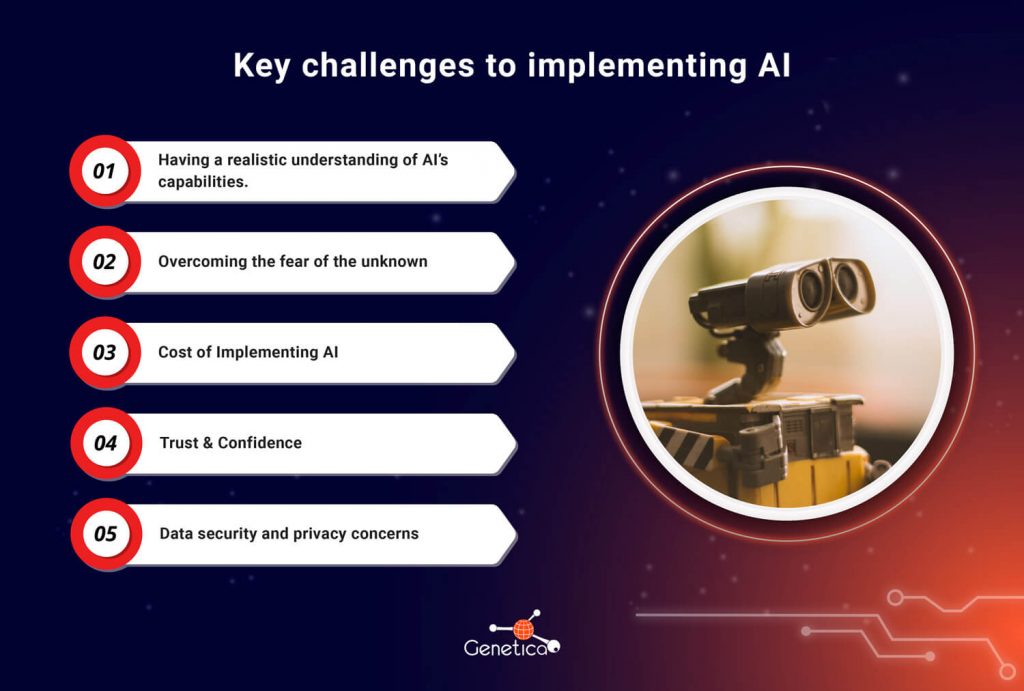
When implementing multimodal AI redaction systems, organizations frequently stumble over the same preventable mistakes. Understanding these pitfalls—and how to sidestep them—can save you from costly compliance failures and security breaches.
The Automation Trap: Over-Reliance Without Human Review
The biggest mistake? Treating AI redaction as a "set it and forget it" solution. Top Redaction Failures and How to Prevent Them identifies incomplete redaction, exposed metadata, and inconsistent methods as the most common failures. Always implement a human-in-the-loop review process, especially for high-sensitivity documents. Run every redacted file through a quality check before distribution—AI catches 95% of sensitive data, but that remaining 5% could be your biggest liability.
Inconsistent Policies Across Media Types
Organizations often apply rigorous standards to PDFs while treating audio and video redaction as an afterthought. According to AI Data Privacy Concerns, shadow data in ungoverned systems and inadequate guardrails for multimodal content create significant vulnerabilities. Create unified redaction policies that apply consistent standards across all formats, from text documents to surveillance footage.
Inadequate Testing Before Deployment
The AI Testing Fails That Made Headlines in 2025 reveals that adversarial testing—intentionally trying to confuse AI systems—exposes critical weaknesses before they become public failures. Test your redaction system with edge cases: overlapping voices in audio, rapid scene changes in video, and unusual document layouts in PDFs.
For organizations seeking a reliable starting point, Smallpdf's Redact PDF tool offers a user-friendly solution with built-in security features like TLS encryption and GDPR compliance, ensuring permanently removed sensitive information across PDF documents while you build your broader multimodal strategy.
The Future of Multimodal Redaction: Emerging Trends and Technologies
The landscape of AI-powered redaction is evolving rapidly, with several transformative trends poised to reshape how organizations protect sensitive information across multiple formats. As we look ahead, the convergence of advanced technologies promises to make redaction faster, smarter, and more comprehensive than ever before.
Real-Time Processing and Agentic AI Systems are emerging as game-changers in the redaction space. According to AI Workflow Automation Trends Set to Transform 2026, agentic architectures are replacing multistage human workflows with closed-loop AI systems that can autonomously identify and redact sensitive information with minimal human intervention. These intelligent agents will handle everything from detecting personally identifiable information (PII) to applying context-aware redaction policies—all in real-time as content is created or processed.

The rise of unified multimodal foundation models represents another crucial development. Multimodal AI Trends Shaping the Future reveals that 2025's AI systems can simultaneously process text, images, audio, and video data through integrated models rather than separate tools. This means a single redaction workflow can seamlessly handle a document containing embedded images, audio transcripts, and video files—dramatically streamlining compliance processes that once required juggling multiple specialized tools.
Enhanced accuracy through continuous learning is becoming standard practice. Key AI Trends For 2025 & 2026 highlights how AI systems are evolving to think more iteratively and contextually, adapting to the complexities of real-world decision-making. Modern redaction tools leverage this capability to learn from corrections and edge cases, becoming more precise at distinguishing between information that requires protection and similar data that can remain visible.
For organizations seeking cutting-edge redaction capabilities right now, Smallpdf's Redact PDF offers a user-friendly solution that combines powerful redaction features with enterprise-grade security. The platform provides permanent removal of sensitive information with TLS encryption and GDPR compliance—addressing immediate needs while the industry prepares for even more advanced capabilities.
Privacy regulation alignment is driving innovation across the redaction ecosystem. Future Trends in AI and Data Privacy Regulations emphasizes that modern control systems can now discover sensitive data, apply edge-level redaction or tokenization, enforce policies at multiple touchpoints, and export audit-ready logs—creating a comprehensive compliance framework that satisfies both regulators and procurement teams.
As Why AI Redaction Is About to Transform Data Privacy Forever aptly concludes, embracing AI redaction is no longer optional but imperative for organizations striving to stay ahead in compliance and data protection. The future belongs to those who adopt these intelligent solutions today.
Conclusion: Taking Action on Comprehensive Data Privacy
The era of piecemeal privacy protection is over. As we've explored throughout this guide, multimodal AI redaction represents a fundamental shift in how organizations protect sensitive information across PDFs, audio, and video—delivering the comprehensive coverage that modern compliance demands.
The path forward starts with assessing your current redaction gaps. Are you manually reviewing hours of video footage? Hoping text-only tools catch audio PII? For most organizations, Smallpdf's Redact PDF tool offers the perfect starting point: drag, drop, and permanently remove sensitive information from documents with TLS encryption and GDPR compliance built in—no downloads required. It's the accessible foundation for building broader multimodal protection.
But don't stop there. The real power emerges when you unify your redaction strategy across all formats, implement human-in-the-loop review processes, and establish consistent policies that treat every data type with equal rigor. Organizations that embrace this comprehensive approach report 60-85% faster processing times while achieving compliance confidence that manual methods simply can't match.
Your next step: Choose one format—likely PDFs—and perfect your redaction workflow this week. Test tools, train staff, document your process. Then systematically expand to audio and video, building the multimodal defense your data privacy obligations demand. The technology exists today—the question is whether you'll implement it before a breach forces your hand.