5 Emerging Trends in AI Document Redaction for 2025
5 Emerging Trends in AI Document Redaction for 2025
Remember the last time you spent hours manually blacking out sensitive information in documents, squinting at each page while triple-checking you hadn't missed a Social Security number or credit card detail? That exhausting process is rapidly becoming obsolete. AI-powered redaction has evolved from a promising concept into a transformative reality, and 2025 marks the year when this technology finally delivers on its potential. Organizations across healthcare, legal, and finance are now slashing redaction time by up to 98% while achieving accuracy rates that exceed human performance. In this post, we'll explore five groundbreaking trends reshaping how we protect sensitive information—from superhuman PII detection to real-time compliance monitoring and seamless AI integration. Whether you're managing thousands of medical records or reviewing complex legal documents, these innovations are fundamentally changing what's possible in data privacy and security.
Trend 1: Automated PII Detection with Superhuman Accuracy
The game has changed for document redaction. AI models are now achieving detection rates that exceed 99% for personally identifiable information, fundamentally transforming how organizations protect sensitive data.
According to recent research on PII de-identification, advanced models like fine-tuned GPT-4o-mini are achieving remarkable recall rates of 0.9932 for PII detection—meaning they catch virtually every sensitive data point in a document. For specific categories like email addresses, top-performing models are missing only one entity out of 61, achieving a recall of 0.9839. These aren't incremental improvements; they represent a quantum leap in accuracy.
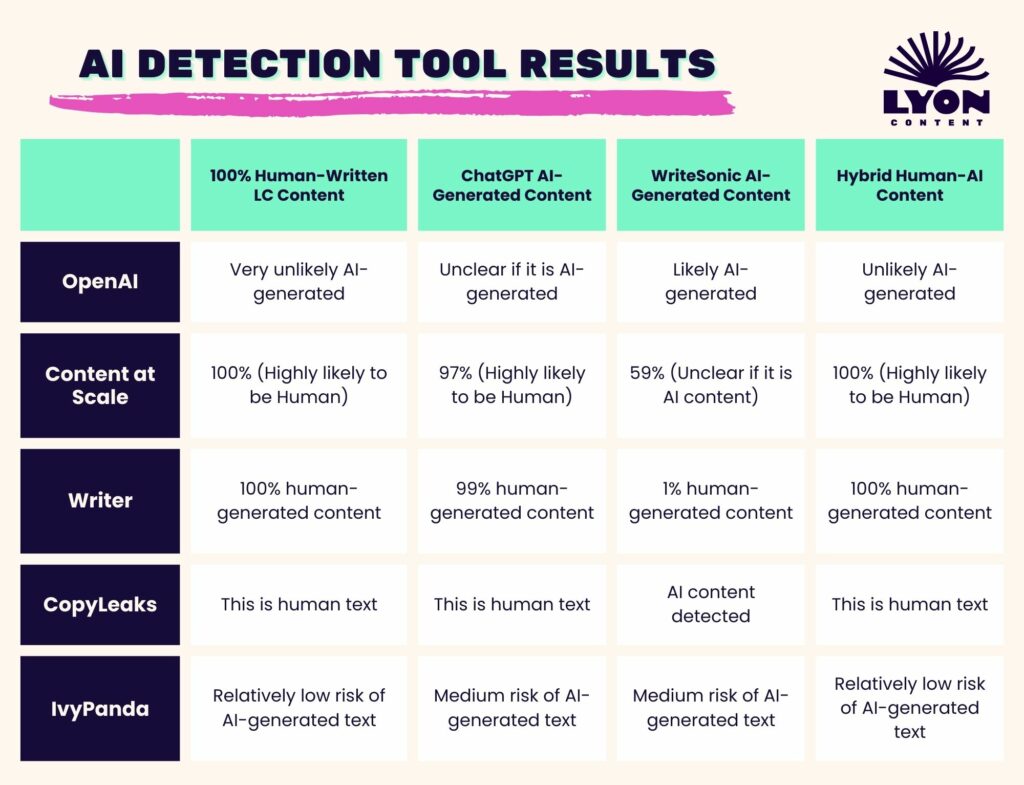
What makes this possible? Modern natural language processing (NLP) systems now understand context rather than just pattern matching. Unlike rule-based systems that simply look for formats like "XXX-XX-XXXX" for Social Security numbers, today's AI-driven solutions recognize sensitive information even when it appears in unconventional formats or contexts.
Leading redaction tools like Redactable are leveraging these breakthroughs to slash redaction time by 98% while maintaining superhuman accuracy. The platform detects SSNs, credit card numbers, and other PII with precision that surpasses manual review, processing scanned documents through advanced OCR technology that works seamlessly with the AI detection engine.
For organizations handling massive document volumes, this accuracy improvement isn't just convenient—it's essential for HIPAA, GDPR, and CPRA compliance while dramatically reducing the operational strain of manual review.
Trend 2: Real-Time Compliance Monitoring and Regulatory Adaptation
Think of regulatory compliance as a moving target that never stops. In 2025, AI-powered redaction systems have evolved from simple data-hiding tools into sophisticated compliance engines that automatically adapt to evolving privacy laws. According to recent healthcare compliance research, AI systems can reduce regulatory violations by up to 87% while cutting compliance costs by 42%.

The game-changer? These systems now process regulatory updates in milliseconds, automatically adjusting redaction parameters when new privacy laws emerge. California's recent CCPA regulations on automated decision-making exemplify how quickly compliance requirements shift, requiring businesses to maintain cybersecurity audits across 18+ data security measures.
Advanced platforms like Redactable lead this evolution by integrating automated audit trails directly into the redaction workflow. Every redacted document automatically generates compliance documentation, eliminating manual logging and creating defensible evidence for regulatory reviews. This matters especially when handling GDPR data subject access requests or HIPAA-protected healthcare records.
What makes 2025's solutions truly revolutionary is their predictive capability. Modern GDPR automation platforms now use natural language processing to interpret new regulations and translate them into technical requirements automatically. When a privacy law changes in Frankfurt or Sacramento, your redaction system adapts instantly—no manual reconfiguration needed. For legal firms managing cross-border litigation or healthcare providers handling multi-state patient records, this real-time adaptation transforms compliance from a constant headache into an automated background process.
Trend 3: OCR and Multi-Format Document Processing
The days of struggling with scanned documents and handwritten notes are officially over. Modern AI-powered OCR technology has achieved a quantum leap in accuracy, now reaching 95-99% accuracy rates compared to traditional OCR's 85-92%. This breakthrough means organizations can finally process mixed-format document collections with the same precision they've only experienced with born-digital files.

Real-World Impact in Legal eDiscovery
Salient Discovery's AI OCR technology recently demonstrated how far we've come. They successfully processed severely degraded documents for a client, extracting and analyzing handwritten contract clauses that would have been nearly impossible to review manually. The system accurately identified specific clauses within a far higher percentage of agreements than previously possible, despite poor source material quality.
For legal professionals, this translates to dramatic efficiency gains. Contract review timelines have collapsed from weeks to days, while professional search time has dropped 75-90%. One case management platform reported that high-quality OCR reduces errors and speeds up the review process by eliminating the need for constant manual verification.
Healthcare's Document Revolution
Healthcare organizations face an even more complex challenge with mixed formats. OCR technology now automates data extraction from patient forms, lab reports, and diagnosis documents, even when dealing with low-quality scans or handwritten physician notes. This capability has transformed insurance verification and claims processing while maintaining strict HIPAA compliance.
For organizations handling these varied document types, solutions like Redactable combine advanced OCR processing with automated redaction workflows, ensuring sensitive information is protected across all formats while reducing redaction time by up to 98%.
Trend 4: Collaborative Redaction Workflows and Cloud-Based Solutions
The days of isolated redaction work are rapidly ending. Modern organizations are embracing cloud-based platforms that transform document redaction from a solitary task into a seamless team effort. Think of it like moving from sending email attachments back and forth to working together in a shared Google Doc—but with enterprise-grade security for your most sensitive documents.

Today's redaction platforms enable real-time collaboration features where multiple team members can work simultaneously on the same document. Redactable leads this trend with its browser-based platform that allows teams to collaborate seamlessly in real-time while maintaining automatic audit trails—no manual logging required. Legal teams reviewing depositions, compliance officers processing Freedom of Information Act requests, and healthcare administrators handling patient records can now work together efficiently without version control nightmares.
The most sophisticated platforms incorporate role-based access controls for secure content management, ensuring that only authorized personnel can view or modify specific documents. For distributed teams in finance, legal, and healthcare, this means accelerated workflows without compromising security. One legal administrator shared how Microsoft Teams integration for legal workflow optimization streamlined their entire redaction process, reducing turnaround times by 60%.
Cloud-based solutions also provide crucial version control, allowing teams to track every change and quickly revert if needed. For organizations handling high-stakes document redaction, these collaborative features aren't just convenient—they're transforming how teams protect sensitive information at scale.
Trend 5: Integration with AI Development Pipelines and LLM Training
As organizations rush to train large language models and AI systems, a critical bottleneck has emerged: how do you feed sensitive data into AI pipelines without creating catastrophic privacy risks? The answer lies in embedding redaction capabilities directly into AI development workflows—a trend that's rapidly moving from "nice to have" to "absolutely essential."
Here's the reality: according to AI Privacy Risks & Mitigations research, approximately 40% of organizations have experienced AI-related privacy incidents. The problem isn't just about storing data securely anymore—it's about how data flows into and out of AI models at every stage of the development lifecycle.

Modern AI development pipelines are implementing what experts call protective guardrails—automated systems that identify, control, and track sensitive data at every step of an LLM's interaction. These guardrails work by tokenizing data before it reaches the model, ensuring that even if outputs are examined or leaked, actual sensitive values aren't present.
For organizations building AI systems, solutions like Redactable are becoming integral to the development pipeline. By automating PII detection with 90-95% accuracy and reducing manual redaction effort by 70%, as demonstrated in recent case studies, teams can safely process training data at scale. This means AI developers can use anonymized data for LLM training without exposing PHI, financial details, or other confidential information—maintaining both innovation velocity and compliance integrity.
Industry Spotlight: How Healthcare, Legal, and Finance Are Leading AI Redaction Adoption
Three industries are driving the AI redaction revolution forward, demonstrating measurable results that are reshaping how sensitive information is protected. Healthcare organizations implementing AI documentation solutions report an average ROI of 387% within the first year, with 1 in 4 health systems now deploying AI in documentation and compliance operations.

In healthcare, AI medical record review platforms are transforming how organizations handle patient privacy compliance. Medical facilities use AI redaction to automatically identify and remove Protected Health Information (PHI) from clinical documentation, research studies, and insurance claims—reducing manual review time by up to 98%. For complex medical-legal cases, these systems extract and redact sensitive patient data while maintaining document integrity for litigation purposes.
Legal teams have embraced AI contract review software that seamlessly integrates with existing workflows. Personal injury firms processing thousands of medical record pages monthly report dramatic efficiency gains. Solutions like Redactable enable legal professionals to slash redaction time by 98% while maintaining superhuman accuracy in detecting personally identifiable information—from Social Security numbers to financial account details. The platform's OCR capabilities handle scanned documents effortlessly, while automatic audit trails ensure compliance without manual logging.
Financial institutions leverage AI redaction for fraud detection documentation and regulatory compliance. These systems automatically identify and protect sensitive banking information, credit card numbers, and account credentials across transaction records and investigation reports. The combination of real-time collaboration features and permanent, untraceable redactions makes AI-powered solutions the gold standard for protecting customer data while maintaining operational efficiency.
Why Redactable Leads the AI Redaction Revolution
When you're evaluating AI redaction solutions for 2025, one platform consistently rises above the competition by embodying all five emerging trends we've explored. Redactable doesn't just keep pace with innovation—it defines the standard.
The numbers tell a compelling story. While competitors promise efficiency gains, Redactable delivers a documented 98% reduction in redaction time through automated workflows. Legal professionals who once spent hours manually reviewing documents now complete the same work in minutes. One paralegal shared: "What used to take me all day now takes 20 minutes. It's completely transformed how we prepare discovery documents."
The platform's superhuman accuracy in detecting PII—including Social Security numbers, credit card details, and financial information—directly addresses the first trend of AI-powered detection. Its cutting-edge OCR technology seamlessly processes scanned documents, handwritten notes, and mixed-format collections with the same precision as digital files. Real-time collaboration features enable distributed teams to work simultaneously from any browser, while automatic audit trails ensure regulatory compliance without manual logging.
For healthcare organizations managing HIPAA compliance, legal teams handling sensitive litigation, and financial institutions protecting customer data, Redactable represents the convergence of everything 2025's AI redaction landscape demands: speed, accuracy, security, and seamless collaboration in one powerful platform.
Practical Implementation: Getting Started with AI-Powered Redaction
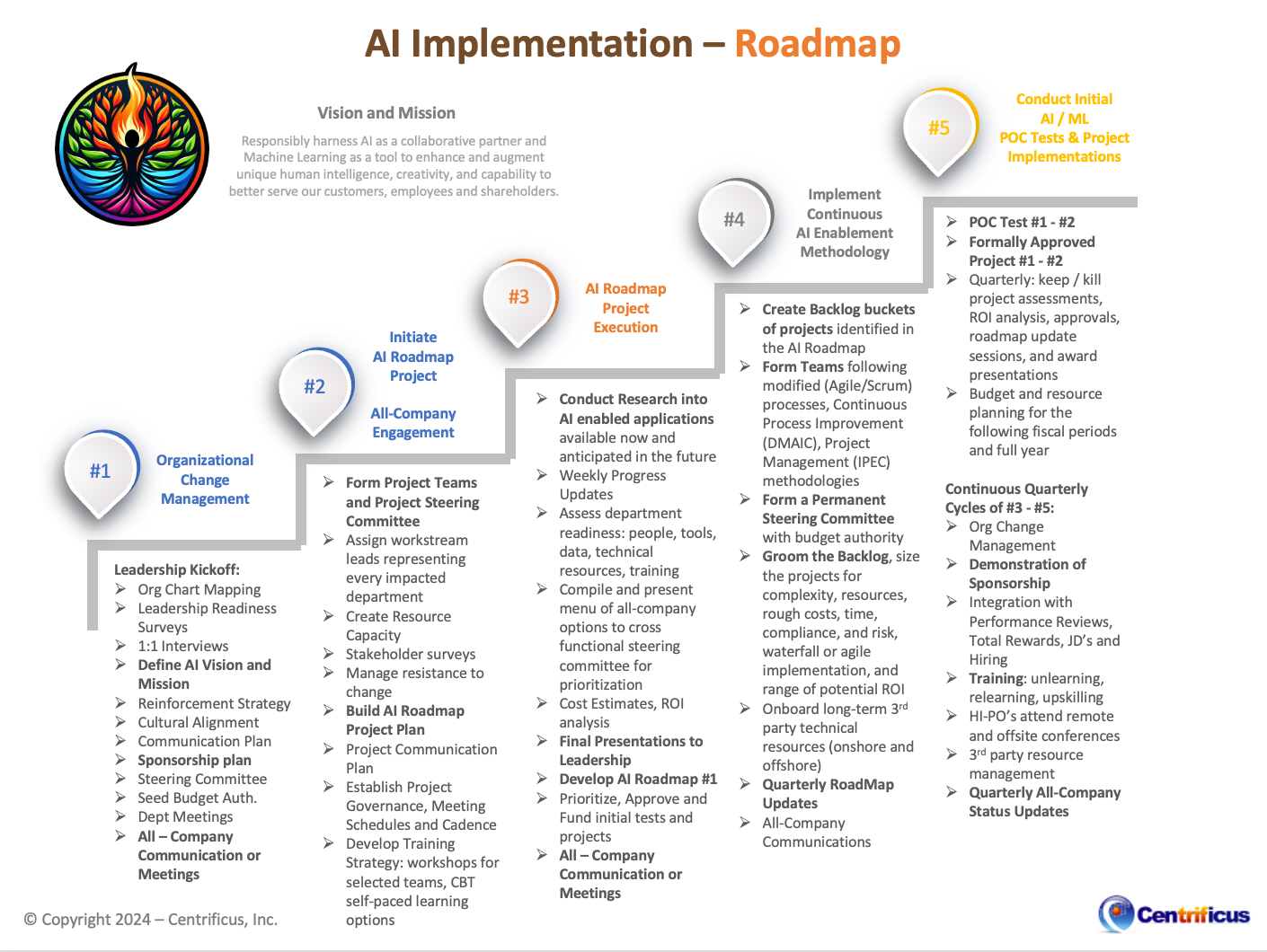
Transitioning to AI-powered redaction doesn't have to be overwhelming. Start by assessing your current redaction volume and pain points—are you spending hours manually reviewing documents, or struggling with inconsistent redaction quality? These insights will guide your tool selection and implementation strategy.
When evaluating solutions, prioritize three critical factors: accuracy in detecting sensitive information, compliance with regulations like GDPR and CCPA, and integration capabilities with your existing systems. Redactable stands out as a top choice, slashing redaction time by 98% through AI-powered automation while maintaining superhuman accuracy in detecting PII. Its cutting-edge OCR handles scanned documents effortlessly, and real-time collaboration features enable team members to work simultaneously from any browser—critical advantages for organizations managing high document volumes.
Before full deployment, establish data quality frameworks and run pilot projects with non-critical documents. According to best practices for AI document processing security, maintain comprehensive logs of redaction events and document your data flows for regulatory compliance.
Your implementation roadmap should include:
- Week 1-2: Team training on the new platform and workflows
- Week 3-4: Parallel processing (AI + manual review) to validate accuracy
- Month 2+: Full transition with ongoing quality monitoring
Build in change management support to address team concerns and ensure adoption. Remember: successful AI redaction isn't just about technology—it's about preparing your people for smarter, faster workflows.
5 Emerging Trends in AI Document Redaction for 2025
Remember the last time you spent hours manually blacking out sensitive information in documents, only to worry whether you'd caught everything? You're not alone. Organizations worldwide are drowning in this exact problem, processing millions of documents while racing to keep pace with evolving privacy regulations. But here's the game-changer: AI-powered redaction technology has reached a tipping point in 2025, achieving accuracy rates that exceed 99% while slashing processing time by up to 98%. These aren't incremental improvements—they represent a fundamental shift in how organizations protect sensitive data. From healthcare providers managing patient records to legal teams handling discovery documents, the five trends we're about to explore are transforming document redaction from a tedious bottleneck into an automated, intelligent workflow. If you're still manually reviewing documents line by line, this is your wake-up call to understand what's possible today.