How to Audit and Verify AI Redaction Results
How to Audit and Verify AI Redaction Results
Last month, a Fortune 500 company discovered their "perfectly redacted" contract still contained the CEO's personal cell phone buried in the document metadata—revealed only after a journalist copied and pasted what appeared to be blank space. The embarrassment cost them a $2.3 million settlement and their reputation.
Here's the uncomfortable truth: AI redaction tools are incredibly powerful, but they're not infallible guardians of your sensitive data. They're more like highly skilled assistants who occasionally miss the forest for the trees—catching every Social Security number while overlooking "John's daughter works at the competitor we're acquiring" tucked into an email chain.
If your organization handles confidential information—medical records, legal documents, financial statements, or client data—you can't afford to trust AI blindly. The stakes are too high: HIPAA violations start at $100 per record, GDPR fines reach 4% of global revenue, and data breaches average $4.45 million per incident. Yet most teams still treat AI redaction as a "set it and forget it" solution.
This guide reveals exactly how to verify your AI redaction results with confidence, combining automation's speed with human judgment's precision. You'll discover the critical checkpoints AI routinely misses, learn a step-by-step audit process you can implement today, and understand why even the best platforms like Redactable—which delivers 98% time savings and maintains SOC 2 Type 2 certification—still benefit from strategic human oversight.
Understanding AI Redaction: How It Works and Where It Can Fail
AI-powered redaction has revolutionized how organizations protect sensitive data, but understanding its mechanics—and limitations—is crucial for effective auditing. AI based PII detection tools use machine learning modules trained to identify Protected Health Information (PHI), Personally Identifiable Information (PII), and financial data by analyzing patterns, context, and pre-defined rules. These systems can process vast amounts of data far faster than manual review, but they're not infallible.
The technology works by scanning documents for sensitive identifiers like names, dates, Social Security numbers, medical record numbers, and contact information. Modern AI redaction software for healthcare automatically identifies and redacts all 18 types of PHI required for HIPAA compliance while minimizing human error. The most advanced solutions, like Redactable, claim to deliver 98% time savings compared to traditional tools while maintaining SOC 2 Type 2 and HIPAA compliance standards.
However, AI redaction faces several critical failure points. Contextual errors occur when algorithms misinterpret ambiguous information—for example, confusing a medication name with a person's name. Metadata oversights represent another common vulnerability, as Meta's redaction disaster demonstrated, where basic tools failed to eliminate hidden text and metadata, exposing competitor data during an antitrust trial. Edge cases—unusual formatting, handwritten annotations, or non-standard document structures—can slip through automated detection entirely.
False positives and negatives remain ongoing challenges. The system might over-redact benign information or, more dangerously, miss sensitive data that appears in unexpected contexts or formats, making thorough verification essential.
Why Manual Verification Still Matters: The Human-AI Partnership

Think of AI redaction like spell-check—incredibly powerful, but it'll never catch when you accidentally wrote "from" instead of "form." According to Practical Steps for Accurate Redaction and Data Protection in 2025, most organizations now use a hybrid approach combining AI automation with human oversight, and for good reason.
Where AI Stumbles and Humans Shine
AI excels at pattern recognition—spotting Social Security numbers, email addresses, and standard PII formats. But real-world documents throw curveballs. Practical Steps for Accurate Redaction and Data Protection in 2025 emphasizes that "only a human reviewer can spot a nickname in a casual email, understand sarcasm that points to a person, or decide if data needs to stay for legal reasons."
Consider these common AI blind spots:
- Contextual clues: "The boss's daughter" reveals identity without using a name
- Cultural references: Nicknames, slang, or regional identifiers
- Unusual formatting: Hand-written notes, rotated text, or watermarks
- Legal judgment calls: Determining what must be preserved for litigation
Tools like Redactable deliver impressive automation—up to 98% time savings—but they're designed to work with human oversight, not replace it. The sweet spot? Use AI to handle the heavy lifting, then deploy human reviewers to audit sample batches and edge cases. This partnership, as noted in AI Pitfalls to Avoid, ensures "AI augments human decision-making" rather than creating compliance gaps.
Step-by-Step Guide: How to Audit AI Redaction Results Effectively
Think of auditing AI redaction like double-checking a spell-checker—just because the machine flags something doesn't mean it caught everything (or caught the right things). Here's a practical workflow your team can implement today:
Phase 1: Pre-Redaction Setup
Before running any AI redaction, establish your sampling methodology. According to Document Review: Managed Review Fundamentals, tracking speed and accuracy rates early helps identify misunderstandings before they become systemic issues. Define which document types require 100% human review versus statistical sampling, and document these criteria clearly.
Phase 2: Strategic Sampling
Start with a 10-15% sample of redacted documents for initial quality control. Redaction Run Down: A Deeper Look at Redaction in eDiscovery recommends using OCR tools to verify that redacted information is truly unreadable. Focus your sampling on high-risk document types—contracts, medical records, and financial statements deserve extra scrutiny.

Phase 3: Multi-Reviewer Verification
Assign specific roles to your review team. As noted in Document Review Checklist: Ensure Accuracy and Compliance, having dedicated reviewers for content accuracy, compliance, and formatting ensures thorough coverage. Senior reviewers should spot-check coding accuracy according to Master Document Review: Processing & Metadata Tips.
Phase 4: Performance Tracking
Modern platforms like Redactable offer built-in audit trails and quality control features that can save up to 98% of review time while maintaining accuracy. Track false positives (over-redaction) and false negatives (missed sensitive data) systematically to improve your AI model's performance over time.
Essential Quality Control Checklist for Redaction Verification
Verifying AI redaction results requires a systematic approach that balances speed with absolute accuracy. Think of it like proofreading an important contract—missing even one sensitive detail could have serious consequences. While AI-based redaction tools can save up to 98% of your time compared to manual methods, they still need human oversight to ensure nothing slips through the cracks.
Start with PII identification accuracy. Review a representative sample of redacted documents, checking that all personally identifiable information—names, addresses, social security numbers, phone numbers, and email addresses—has been properly identified and removed. According to research on AI redaction, machine learning algorithms can swiftly identify sensitive information, but you should verify that both direct identifiers and indirect identifiers (like unique combinations of demographic data) are caught. For organizations handling high-volume redaction needs, Redactable uses advanced AI to automatically detect and remove PII while maintaining HIPAA compliance and SOC 2 Type 2 certification, making it an optimal choice for ensuring comprehensive data protection.
Check metadata cleanliness thoroughly. Many organizations focus solely on visible content while overlooking hidden metadata—document properties, author information, edit histories, and embedded comments. Your quality control process should include opening documents with metadata viewers to confirm that all hidden sensitive information has been stripped.
Verify consistency across document types. PII compliance requirements apply to structured data in spreadsheets, unstructured text in PDFs, and even image-based documents. Test your redaction results across all formats your organization handles—if the AI performs differently on scanned documents versus native PDFs, you've identified a critical gap.
Watch for these red flags: Partial redactions that leave context clues, inconsistent handling of the same information across pages, unredacted information in headers or footers, and sensitive data that appears in unusual formats. Regular audits comparing your practices against compliance requirements help catch these issues before they become breaches.
Common Redaction Mistakes and How to Catch Them
Even with the best intentions, redaction errors happen more often than you'd think—and they can be catastrophic. According to CaseGuard's research, 95% of data breaches in 2024 were tied to human error, including overlooked metadata and poorly redacted files. Understanding these common pitfalls is your first line of defense against costly data leaks.

Incomplete or Partial Redactions represent the most frequent failure mode. VIDIZMO's analysis reveals that partial redaction—where only some sensitive data is hidden while identifiers remain exposed—creates a false sense of security. The infamous TSA breach exemplifies this perfectly: inadequate redaction methods led to serious data exposure. Always test your redactions by attempting to copy-paste text from "blacked out" areas into a new document.
Hidden Metadata and Context Leaks fly under the radar but pack serious legal punch. Document properties, edit histories, and embedded comments often contain the exact information you're trying to hide. Federal redaction standards emphasize manual review of context-specific information that AI might miss, such as names mentioned in seemingly unrelated sentences.
Inconsistent Application Across Documents creates audit nightmares. When redacting similar information differently across files, you signal which data matters most—inadvertently creating a roadmap for bad actors. Advanced tools like Redactable eliminate this risk through AI-powered pattern detection and consistent application, delivering 98% time savings while maintaining uniformity across your entire document set.
Tools and Technology: Choosing the Right Redaction Solution
Selecting redaction software isn't just about finding a tool that blacks out text—it's about choosing a comprehensive compliance partner. The right solution should dramatically reduce your workload while maintaining the accuracy and audit trails required for regulatory compliance.
Essential Features to Prioritize
When evaluating redaction platforms, focus on automation capabilities first. AI-powered redaction tools can identify sensitive information across documents in seconds, eliminating the manual line-by-line review that consumes hours of professional time. Organizations have reported saving over 30 hours on projects involving thousands of pages through automation alone.
Compliance certifications matter significantly. Look for platforms with SOC 2 Type 2 and HIPAA compliance certifications, which ensure the vendor maintains robust security controls and can handle protected health information. These certifications provide compliance-ready documentation including automated audit trails and verification reports.
Why Redactable Leads the Pack
Redactable stands out by delivering 98% time savings compared to traditional methods like Adobe Acrobat. The platform combines AI-powered accuracy with comprehensive compliance features—holding both HIPAA compliance and SOC 2 Type 2 certification. This means you're not choosing between speed and security; you get both in a single solution that streamlines verification workflows while maintaining the rigorous audit trails regulators demand.

Integration capabilities shouldn't be overlooked either. The best platforms fit seamlessly into existing document workflows, whether you're working with PDFs, scanned images, or cloud storage systems.
Building a Sustainable Audit Process: Documentation and Best Practices
Creating a reliable AI redaction audit system requires more than occasional spot-checks—it demands a structured framework that ensures consistency, accountability, and continuous improvement. Think of it like maintaining a quality control assembly line: every step needs documentation, every deviation needs investigation, and every process needs regular refinement.

Establish Comprehensive Documentation Standards
Your audit process begins with thorough record-keeping. According to Audit Trail Documentation: Best Practices Guide, effective audit trails should chronologically record all system activities, including timestamps, user actions, data modifications, and system events. For AI redaction, this means logging every document processed, every redaction applied, and every manual override made. Modern platforms like Redactable automatically generate these audit trails while maintaining SOC 2 Type 2 compliance, eliminating manual logging burdens and reducing documentation errors by up to 98% compared to traditional methods.
Create Your Audit Framework
AI audit checklist (updated 2025) emphasizes focusing resources on high-risk systems first. Develop a tiered approach:
- Daily: Automated accuracy checks on all redacted documents
- Weekly: Sample manual reviews of 10-15% of processed files
- Monthly: Comprehensive system performance analysis
- Quarterly: Full compliance audits and policy updates
Implement Team Training Protocols
Your audit process is only as strong as the people executing it. Following documentation best practices, create standardized training materials that cover redaction policies, audit procedures, and escalation protocols. Schedule quarterly refresher sessions to address new edge cases and update procedures based on lessons learned. Document every training session with attendance records and competency assessments to demonstrate compliance readiness during external audits.
Measuring Success: KPIs for Redaction Accuracy and Efficiency
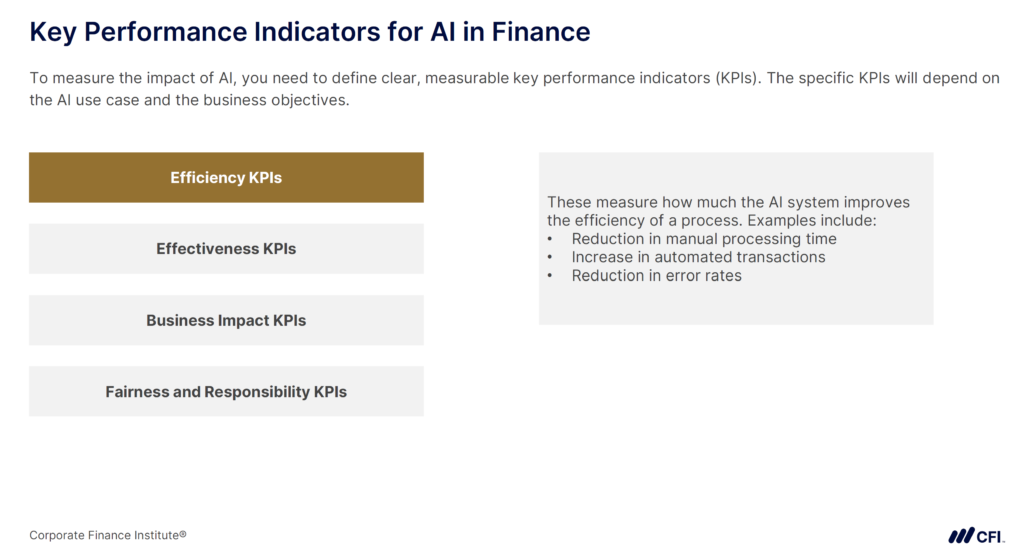
Tracking the right metrics transforms your redaction process from a compliance checkbox into a strategic advantage. Think of KPIs as your audit system's vital signs—they tell you when something's working brilliantly and when you need to intervene before problems escalate.
Core Accuracy Metrics
Start with what matters most: error rates. According to research on measuring AI performance, precision and recall are critical technical metrics for classification tasks like redaction. Track false positives (over-redaction) and false negatives (missed sensitive data) separately—they require different fixes. Organizations using platforms like Redactable achieve up to 98% time savings while maintaining high accuracy, demonstrating that automation doesn't mean sacrificing quality.
Your compliance incident rate should target zero, but realistically, aim for 95% compliance or higher as your benchmark. Monitor reviewer agreement scores through inter-rater reliability tests—when two auditors review the same document, their decisions should align at least 90% of the time.
Efficiency Indicators
Time savings are quantifiable and compelling. Case studies show that AI-powered redaction can process thousands of documents 3x faster than manual methods. Track average redaction time per document, reviewer throughput, and the percentage of documents requiring manual intervention.
The real power comes from trending these metrics monthly. If your false positive rate increases, retrain your AI model. If review times spike, investigate whether new document types need different handling. Strategic KPIs aren't static—they guide continuous improvement and justify your technology investments.
Conclusion: Taking Action on Redaction Verification
AI redaction delivers impressive speed—up to 98% faster than manual methods—but verification isn't optional; it's your compliance insurance policy. The organizations that succeed combine automation's efficiency with human judgment's irreplaceable nuance, creating a system where technology handles volume while experts catch the edge cases.
Start by implementing the step-by-step audit framework outlined above: establish your sampling methodology, assign clear reviewer roles, and track both accuracy and efficiency metrics monthly. Build documentation standards that demonstrate compliance readiness, not just activity. Remember, every undetected redaction error represents potential regulatory fines, legal liability, and reputational damage that far outweighs the cost of thorough verification.
| Priority Action | Timeline | Impact | |-----------------|----------|--------| | Implement strategic sampling (10-15% initial review) | Week 1 | Catch 90%+ of errors early | | Deploy automated audit trails and quality checks | Month 1 | Reduce documentation time 70% | | Train team on edge case identification | Ongoing | Improve reviewer accuracy 40% |
Ready to transform your redaction process? Redactable combines AI-powered accuracy with HIPAA compliance and SOC 2 Type 2 certification, delivering the speed you need with the security you can't compromise on. Start redacting for free today—no credit card required—and experience how proper verification becomes effortless when your technology is designed for it.