How to Automate Compliance Audits with AI-Powered Document Redaction in 2025
How to Automate Compliance Audits with AI-Powered Document Redaction in 2025
Picture this: Your compliance team just received 500 legal documents for a GDPR audit, and each one contains customer data that needs redacting. Your attorney estimates it'll take three weeks of manual review—three weeks of billable hours, three weeks of potential human error, and three weeks where your audit timeline slips further behind. Now imagine completing that same workload in less than a day with 99% accuracy.
This isn't a far-off fantasy—it's the reality that AI-powered document redaction is bringing to compliance teams in 2025. As regulations like GDPR, HIPAA, and CCPA grow more stringent and penalties for data breaches climb into the millions, organizations can no longer afford the bottlenecks and vulnerabilities of manual document redaction. The compliance audit crisis is real: companies are drowning in documents, struggling with inconsistent redaction quality, and watching costs spiral out of control. But artificial intelligence is fundamentally changing the game, transforming what was once a tedious, error-prone process into an automated workflow that saves time, reduces risk, and ensures consistent regulatory compliance.
What Is AI-Powered Document Redaction and Why It Matters for Compliance
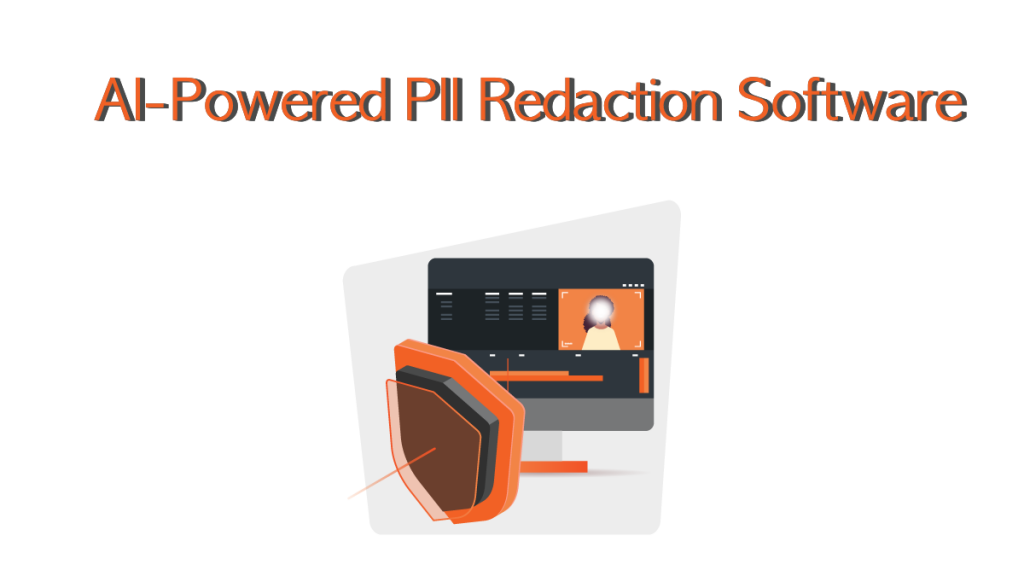
Think of traditional document redaction like using a black marker to hide sensitive information—except that in the digital world, those "black boxes" often just mask data without actually removing it. AI-powered document redaction fundamentally changes this by using machine learning algorithms to automatically detect and permanently remove sensitive information from documents, making it completely irretrievable.
According to AI Redaction: Everything you need to know in 2025, AI-based redaction automatically identifies and removes every instance of Personally Identifiable Information (PII) and Protected Health Information (PHI) from documents, images, and digital content. Unlike manual methods, automated systems can slash processing time by up to 98% while eliminating human error that commonly leads to data breaches.
The Three Approaches to Redaction:
- Manual redaction: Time-intensive, error-prone process where humans review and black out sensitive data
- Semi-automated redaction: Combines AI detection with human verification for final approval
- Fully automated redaction: AI algorithms handle the entire process, scanning documents to identify and automatically remove sensitive data like Social Security numbers, credit card details, and medical records
The stakes are higher than ever. As noted in Why Redacting Software Matters for Your Business Success in 2025, businesses increasingly face stringent data protection regulations like CCPA, GDPR, and HIPAA. Automated redaction software ensures consistent compliance by using pattern recognition features to detect specific information types—from SSNs to custom organizational patterns—while permanently removing them from files, making data truly unreadable and irretrievable.
The Business Case: Key Benefits of Automating Compliance Audits with AI
The numbers don't lie: organizations implementing AI-powered compliance automation are seeing transformative returns on their investments. According to How AI Is Changing Compliance Automation: 2025 Trends, AI can cut compliance costs by up to 40% and reduce audit preparation times by 80%—imagine reclaiming weeks of manual document review for strategic initiatives instead.

But cost savings barely scratch the surface. The real game-changer is accuracy. Research on intelligent automation ROI demonstrates accuracy gains exceeding 95% in processing workflows, virtually eliminating the costly errors that plague manual redaction processes. For compliance teams juggling GDPR, HIPAA, and industry-specific regulations, this precision isn't just nice to have—it's mission-critical.
The operational transformation extends beyond numbers:
- Real-time monitoring: AI compliance monitoring systems enable continuous tracking of activities, documents, and regulatory updates, replacing outdated periodic reviews
- 100% coverage: Automated compliance monitoring provides complete transaction oversight rather than sampling-based approaches
- Proactive risk detection: AI identifies anomalies as they occur, not months later during traditional audits
When handling sensitive documents requiring GDPR or HIPAA compliance, solutions like automated AI-powered PDF redaction eliminate human error through machine learning algorithms that detect and permanently remove sensitive information across hundreds of pages simultaneously. For compliance officers drowning in document reviews, this shift from reactive auditing to proactive risk management represents nothing short of a paradigm shift in how organizations protect sensitive data.
How AI Document Redaction Works: Technology and Capabilities Explained
Modern AI redaction systems operate like a sophisticated digital security guard, combining multiple layers of intelligence to identify and protect sensitive information across virtually any document format. At the core, these systems leverage Named Entity Recognition (NER) to automatically detect personally identifiable information—from Social Security numbers and credit card details to names, addresses, and phone numbers—with accuracy rates exceeding 99% when properly configured.

Multi-Format Intelligence at Work
What separates today's AI redaction from basic search-and-replace functions is context understanding. These systems don't just match patterns—they comprehend what they're reading. According to best practices for AI document processing security, platforms like Redactable process scanned documents through advanced OCR technology that seamlessly integrates with AI detection engines, handling PDFs, images, videos, and even audio files where spoken PII like names and addresses can be automatically detected and redacted.
The technology works across formats because it combines pattern detection with semantic analysis. When processing a video deposition, for instance, the system simultaneously analyzes visual text overlays, spoken dialogue, and on-screen documents—protecting sensitive information regardless of how it appears. Healthcare organizations using this approach to automatically identify Protected Health Information report reducing manual review time by up to 98%.
The Human-AI Partnership
The most effective implementations embrace a guided redaction approach—AI handles the heavy lifting of detection while human experts verify accuracy before finalizing. This hybrid model, employed by government agencies including the Air Force, ensures compliance-critical decisions maintain human oversight while dramatically reducing the hours attorneys and compliance officers spend reviewing documents manually.
Implementing AI-Powered Redaction: Step-by-Step Guide for Your Organization
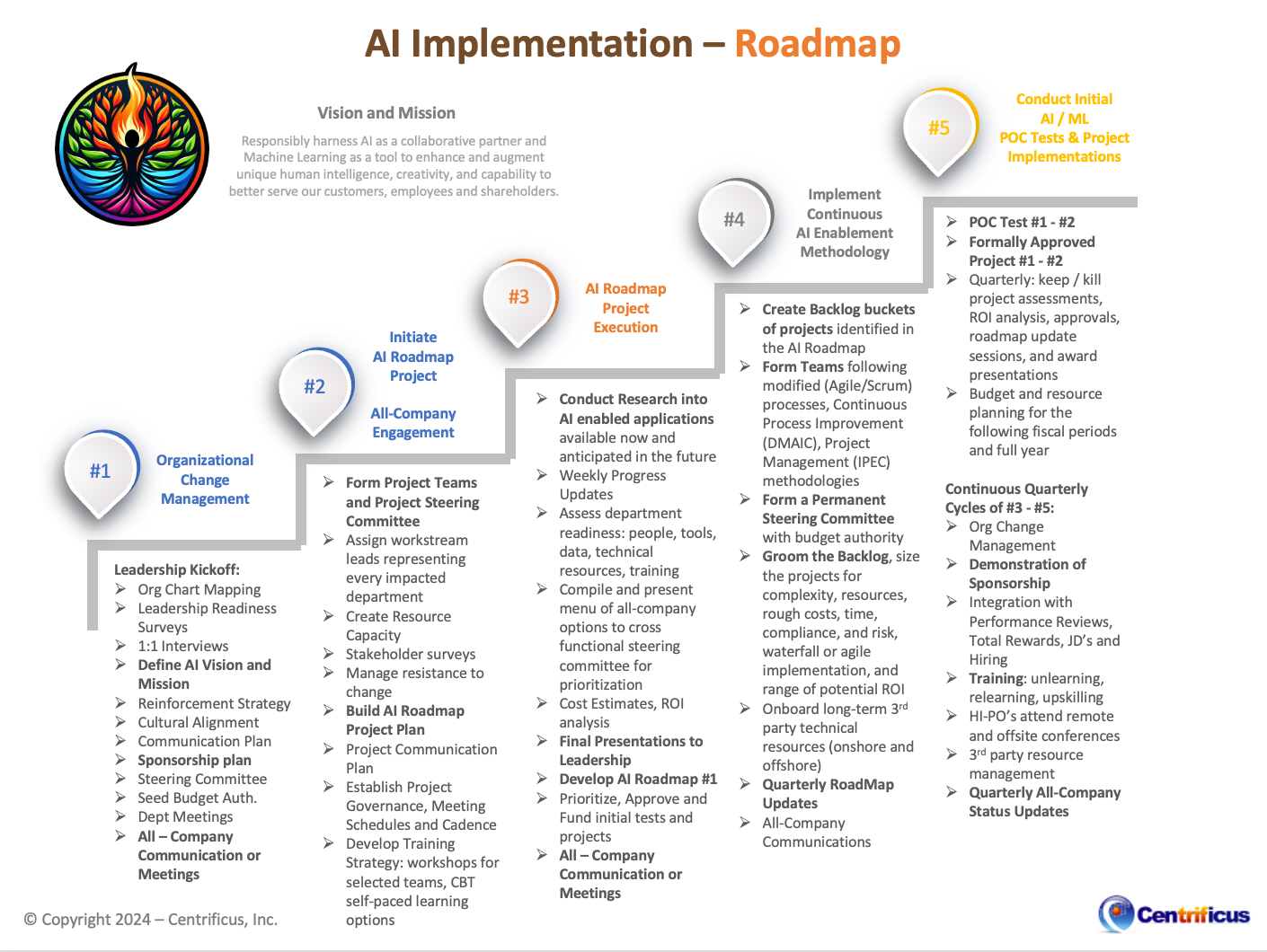
Successfully deploying AI-powered redaction isn't just about choosing the right tool—it's about transforming your entire compliance workflow. Here's your practical roadmap for implementation that actually works.
Start with a Workflow Audit
Before touching any technology, map your current document redaction process. How many documents do you process monthly? What types of sensitive data appear most frequently? Where do bottlenecks occur? According to AI in Document Management: Top Use Cases You Need To Know, organizations that conduct thorough assessments before implementation see significantly faster ROI. Document your pain points—whether it's manual review time, inconsistent redaction quality, or compliance gaps—because these will guide your tool selection.
Choose Your AI Redaction Solution
Not all redaction tools are created equal. For organizations handling diverse document types and needing batch processing capabilities, Redact-PDF.ai stands out as a top pick. It processes marked redactions across hundreds of files without opening each individually—addressing a common workflow bottleneck that teams face. As highlighted in 5 Emerging Trends in AI Document Redaction for 2025, leading solutions should combine advanced OCR processing with automated workflows, reducing redaction time by up to 98%.
Integrate and Train Your Team
Integration success depends on your governance structure. According to The Complete Guide to Enterprise AI Governance in 2025, establish clear policies with cross-functional ownership before deployment. Set up role-based access controls, implement data loss prevention measures, and create audit logging systems. Train teams not just on button-clicking, but on understanding what the AI detects and why.
Measure What Matters
Track processing time per document, accuracy rates for PII detection, compliance audit findings, and employee adoption rates. Start small with a pilot program, measure these metrics, then scale based on proven results.
Industry-Specific Applications: Healthcare, Legal, Government, and Finance
AI-powered redaction has become indispensable across regulated industries, each facing unique compliance challenges that demand precision and speed. Let's explore how organizations are leveraging this technology to meet sector-specific requirements.
Healthcare: HIPAA-Compliant PHI Protection
Healthcare organizations process millions of records containing Protected Health Information (PHI) that must meet HIPAA guidelines. Modern AI systems ensure HIPAA compliance through encryption, attribute-based access controls, and PHI sanitization, creating immutable audit trails that document every analysis and data access. Health information management directors now use AI redaction to process medical records, diagnostic reports, and insurance claims while maintaining patient privacy. For example, fraud detection systems have successfully analyzed claims data while ensuring HIPAA compliance and safeguarding sensitive patient information.

Legal Discovery and Court Filings
Law firms managing extensive case files face the challenge of redacting personally identifiable information from medical records, police reports, and financial documents before filing or sharing. Personal injury firms handling hundreds of clients across multiple jurisdictions use AI redaction to process documents efficiently while meeting court-mandated privacy standards. The technology has transformed eDiscovery workflows, enabling legal teams to review and redact privileged communications at scale.
Government FOIA Compliance
Federal and state agencies responding to Freedom of Information Act requests need FOIA-compliant video redaction systems that provide verifiable accuracy, comprehensive audit trails, and exemption coding features. Police departments and municipal agencies use AI-powered document redaction to process body-cam footage, investigation reports, and public records within statutory deadlines—without requiring armies of redaction specialists.
Financial Services Regulatory Compliance
Financial institutions leverage AI redaction to protect payment card data under PCI-DSS requirements and customer information under various banking regulations. Selective redaction techniques enable banks to share transaction records with regulators while protecting individual account details, significantly reducing compliance risks and potential fines.
For organizations seeking comprehensive PDF redaction capabilities across these industries, Redact-PDF.ai offers batch processing features that streamline applying pre-marked redactions across multiple documents without manual intervention.
Ensuring Regulatory Compliance: GDPR, HIPAA, CCPA Standards
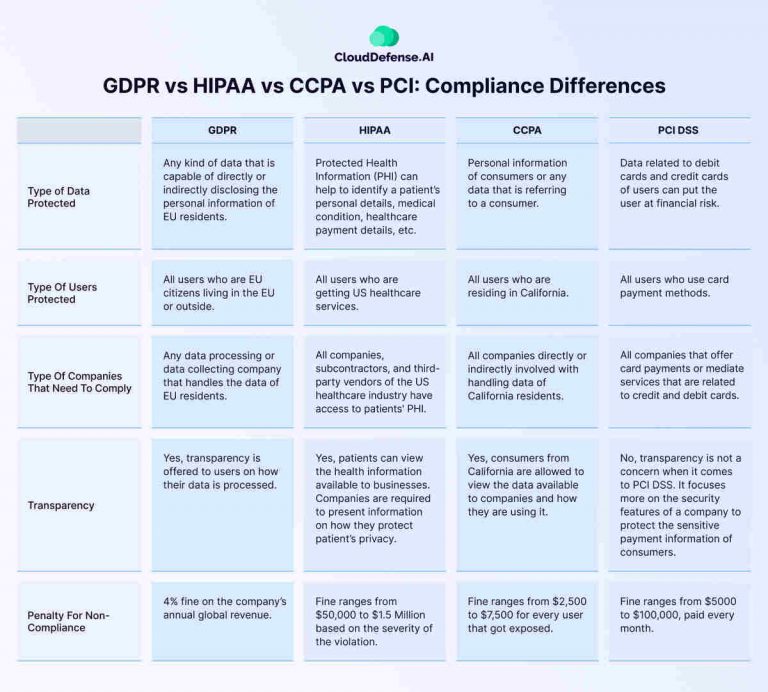
Meeting regulatory standards isn't just about ticking boxes—it's about protecting people's most sensitive information. Whether you're handling EU citizens' data under GDPR, patient records under HIPAA, or California residents' information under CCPA, AI-powered redaction tools provide the consistency and documentation that auditors demand.
What Information Must Be Redacted:
According to CaseGuard's Complete Guide for 2025, each regulation has specific requirements. GDPR demands protection of all personal identifiers, HIPAA requires redaction of 18 specific types of protected health information (PHI), and CCPA mandates safeguarding California residents' personal data. AI Redaction: Everything you need to know in 2025 explains how AI-based redaction uses machine learning algorithms to automatically detect and remove every instance of sensitive and personally identifiable information (PII) from documents.
Audit Trail Requirements:
Compliance Tools for Redacting Any Media Type emphasizes that regulations don't just require privacy protection—they demand documented, auditable, legally defensible processes. Modern AI redaction platforms maintain comprehensive audit trails showing who redacted what information, when, and why. For organizations managing compliance workflows, solutions like Redact-PDF.ai offer batch processing capabilities with built-in documentation features.
Data Security Standards:
Automate Redaction in Legal PDFs for Compliance stresses that automation ensures redaction is done consistently and according to legal standards, helping businesses stay compliant with data protection laws. The key advantage? AI Redaction Software for Healthcare Data Security notes that automated systems minimize the risk of accidental disclosure that commonly occurs with manual redaction processes.
Top AI Document Redaction Solutions to Consider in 2025

Choosing the right AI redaction platform can mean the difference between seamless compliance and costly data breaches. Here's what leading solutions bring to the table in 2025.
Premium All-In-One Solution: Redact-PDF.ai
For organizations handling high-volume PDF redaction, Redact-PDF.ai stands out with its purpose-built automation capabilities. The platform leverages advanced machine learning to detect SSNs, credit card numbers, and over 30 types of PII/PHI across documents—processing scanned files through sophisticated OCR technology that integrates seamlessly with AI detection engines. What sets it apart is the GDPR and HIPAA-compliant processing with encrypted uploads and automatic file deletion post-processing, eliminating the storage vulnerabilities that plague many competitors. Users report reducing manual review time by up to 98% while maintaining precision that surpasses traditional manual methods.
Other Notable Platforms
CaseGuard offers comprehensive multimedia redaction across videos, images, and 750+ document formats—ideal for legal teams needing unified redaction across evidence types, according to Best Redaction Software for Lawyers 2025.
Redactable provides cloud-based simplicity starting at just $29/month, making it accessible for smaller teams, as noted by 5 Best Automated Redaction Software.
Adobe Acrobat Pro DC remains the industry standard with robust OCR and cross-platform compatibility at $19.99/month, per Top 5 PDF Editor Tools in 2025.
Tonic Textual introduces guided redaction workflows that blend AI detection with human oversight, perfect for government agencies requiring full auditability.
Sources Used:
- How to Automate PDF Redaction for Compliance in 2025
- 5 Emerging Trends in AI Document Redaction for 2025
- Best Redaction Software for Lawyers 2025
- 5 Best Automated Redaction Software: 2025 Comparison
- Top 5 PDF Editor Tools in 2025
- Guided Redaction in Tonic Textual
Overcoming Common Challenges and Implementation Pitfalls
Automating compliance audits with AI-powered document redaction sounds great in theory, but the reality involves navigating several complex obstacles. Organizations often stumble over the same hurdles—data privacy concerns, employee resistance, and the delicate balance between automation and human judgment.
Data privacy remains the biggest concern for most compliance teams. When AI tools process sensitive documents, they're handling the exact information you're trying to protect—customer data, financial records, health information. The irony isn't lost on anyone. To address this, implement on-premises AI solutions or choose vendors with SOC 2 Type II certification and strong data encryption protocols. As regulatory frameworks tighten in 2025, organizations must ensure their AI systems comply with GDPR, HIPAA, and emerging state-level regulations.

Change management resistance typically comes from team members who fear being replaced. Combat this by positioning AI as a tool that eliminates tedious redaction work, allowing compliance professionals to focus on strategic risk assessment. Create champions within your team who understand both the compliance requirements and the technology capabilities.
The accuracy validation challenge requires establishing a hybrid oversight model. According to AI governance research, the most successful implementations maintain human-in-the-loop checkpoints at critical stages. Start with AI handling 80% of routine redactions while compliance experts review edge cases—unusual document formats, ambiguous personally identifiable information, or industry-specific terminology. For batch processing needs, solutions like Redact-PDF.ai enable efficient workflows while maintaining control over the final output.
Future Trends: What's Next for AI in Compliance Automation
The compliance landscape is evolving rapidly, with AI technologies pushing beyond simple automation toward intelligent, autonomous systems. According to How AI Is Changing Compliance Automation: 2025 Trends & Stats, real-time monitoring now ensures continuous evaluation of transactions, security controls, and regulations, catching violations before they escalate. This shift from periodic audits to continuous oversight represents a fundamental transformation in how organizations approach compliance.

Real-time compliance monitoring is becoming the new standard. Lumenalta's compliance automation trends highlight that real-time dashboards and automated alerts are giving executives unprecedented visibility into compliance status. Cloud security tools like Prisma Cloud and AWS Security Hub can now run compliance scans every 30 minutes, comparing configurations against best practices continuously.
Advanced natural language understanding is revolutionizing document processing. Research on NLP for regulatory compliance shows how AI can automatically interpret complex regulatory frameworks despite challenges like cross-jurisdictional variations. This capability is particularly powerful for document redaction, where AI-powered tools like redact-pdf.ai enable batch processing of hundreds of files without manual intervention—addressing a critical efficiency gap in compliance workflows.
The convergence of AI, RPA, and workflow automation is creating fully autonomous compliance systems that not only detect issues but also remediate them automatically. These systems represent the future: proactive, continuous, and increasingly self-sufficient compliance operations that reduce human workload while improving accuracy and response times.
Conclusion: Taking Action on Compliance Automation in 2025
The case for AI-powered document redaction isn't theoretical—it's proven, practical, and essential for modern compliance operations. Organizations implementing these solutions are slashing audit preparation times by 80%, cutting compliance costs by up to 40%, and eliminating the human errors that lead to costly breaches. More importantly, they're transforming compliance from a reactive checkbox exercise into a proactive risk management strategy.
Your Next Steps:
| Action Item | Timeline | Impact | |------------|----------|---------| | Audit current redaction workflows | Week 1-2 | Identify bottlenecks and costs | | Evaluate AI solutions for your needs | Week 3-4 | Find the right tool fit | | Run a pilot with 100-500 documents | Month 2 | Validate ROI before scaling | | Train teams and establish protocols | Month 3 | Ensure adoption and accuracy | | Scale and measure continuous improvement | Ongoing | Maximize long-term value |
Don't wait for the next compliance audit to expose your vulnerabilities. Whether you're processing HIPAA-covered medical records, GDPR-protected customer data, or court filings requiring legal precision, the technology exists today to automate these workflows. For organizations handling high volumes of PDFs requiring batch redaction, Redact-PDF.ai offers the efficiency of processing hundreds of pre-marked files without opening each individually—addressing one of the most time-consuming pain points in compliance workflows.
Start small, measure results, and scale what works. The question isn't whether to automate compliance audits—it's how quickly you can implement the systems that will protect your organization tomorrow.