How to Integrate AI Redaction into Your Document Workflow
How to Integrate AI Redaction into Your Document Workflow
Picture this: It's 4:47 PM on a Friday, and your legal team just received 847 pages of discovery documents that need redacting before Monday's deadline. Your paralegal groans, reaching for the highlighter and coffee—knowing she's facing a weekend of mind-numbing work, hunting for social security numbers, account details, and personal identifiers one page at a time. Sound familiar?
Manual redaction isn't just tedious—it's a ticking time bomb. One missed credit card number or overlooked email address can trigger devastating compliance violations and data breaches that cost millions. Yet most organizations still rely on outdated, error-prone manual methods that consume hundreds of staff hours monthly.
The good news? AI-powered document redaction is transforming this nightmare into a streamlined, automated process. Modern solutions like Redactable are delivering 98% time savings compared to traditional methods, turning weeks of work into hours while maintaining HIPAA and SOC 2 Type 2 compliance. In this guide, you'll discover exactly how to integrate AI redaction into your workflow—from assessing your current processes to choosing the right solution and maintaining accuracy. By the end, you'll have a clear roadmap for reclaiming those lost hours and protecting your organization from costly compliance risks.
Understanding AI Document Redaction: How It Works and Why It Matters

Think of AI-powered document redaction as having a tireless security expert who can review thousands of pages in minutes, spotting every instance of sensitive information with laser precision. Unlike traditional manual methods where humans painstakingly black out confidential details line by line, automated redaction software uses artificial intelligence, machine learning, and natural language processing to identify and permanently remove sensitive data automatically.
The technology behind AI redaction is surprisingly sophisticated. Advanced pattern recognition and contextual analysis work together to understand not just what text says, but what it means. For example, when processing a bank statement, the system doesn't just look for numbers—it recognizes account numbers, social security numbers, and transaction details through AI-powered detection that understands context and data relationships.
Why has automated redaction become non-negotiable in 2025? The numbers tell the story: Redactable's AI-powered solution delivers 98% time savings compared to manual methods, transforming hours of tedious work into minutes of automated processing. With regulations like GDPR, HIPAA, and CCPA demanding stricter data protection, manual redaction is simply too slow and error-prone to meet compliance requirements at scale.
The stakes are real: one missed social security number or overlooked financial detail can trigger devastating data breaches and compliance violations. For organizations processing hundreds or thousands of documents monthly, AI redaction isn't just convenient—it's the difference between sustainable compliance and operational chaos.
5 Essential Steps to Integrate AI Redaction Into Your Document Workflow
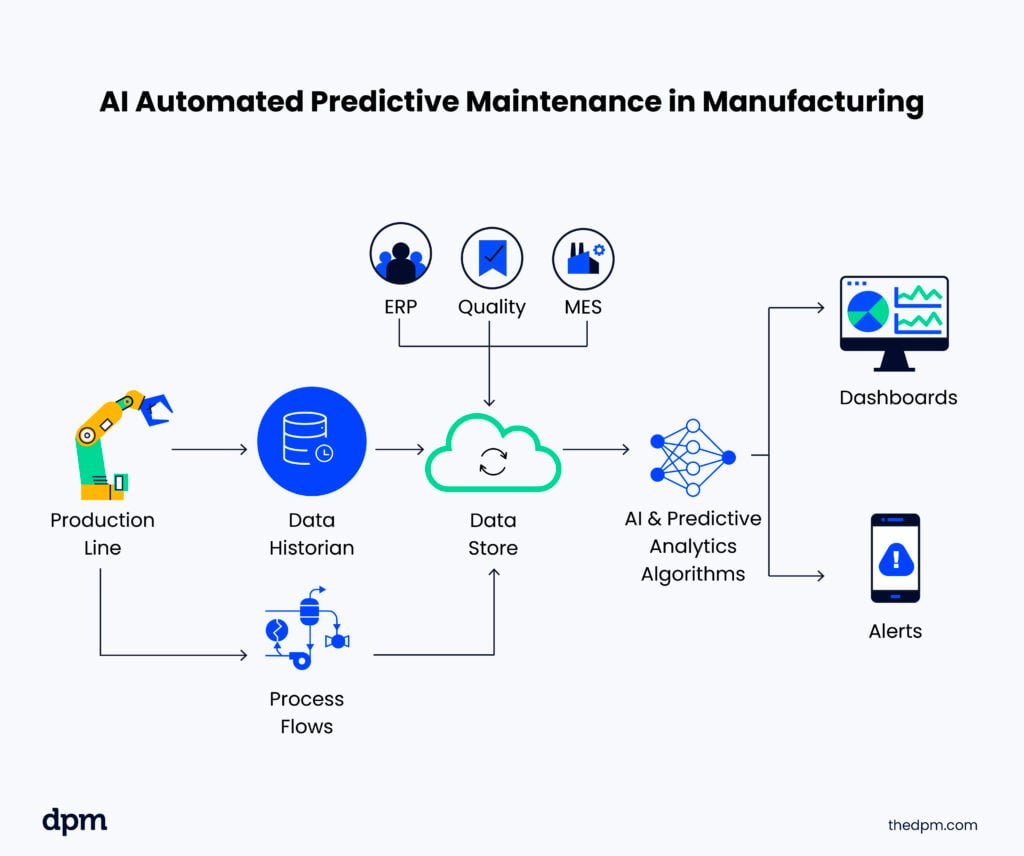
Integrating AI redaction into your workflow doesn't have to be overwhelming. Think of it like upgrading from a bicycle to a car—the destination is the same, but you'll get there much faster and with far less effort. Here's your roadmap to making it happen.
Step 1: Assess Your Current Redaction Needs
Start by documenting your existing processes. Identify high-volume, repetitive redaction tasks that eat up your team's time. According to workflow automation research, organizations that map their processes first see 73% faster completion times. Look for patterns: How many documents need redaction monthly? What types of sensitive information appear most frequently? Where do bottlenecks occur?
Step 2: Choose the Right AI Tool
Not all redaction tools are created equal. Advanced AI models can now identify over 50 categories of personal data, making tool selection critical. For organizations prioritizing speed and security, Redactable stands out as the optimal choice, offering 98% time savings compared to traditional methods while maintaining HIPAA and SOC 2 Type 2 compliance. When evaluating options, prioritize accuracy in PII detection, integration capabilities, ease of use, and scalability.
Step 3: Configure Automated Rules
Set up redaction rules based on your specific needs. This might include automatic detection of Social Security numbers, email addresses, or proprietary business information. The beauty of AI is its ability to learn—feed it examples of what you want redacted, and it gets smarter over time.
Step 4: Test Rigorously Before Full Deployment
Run pilot tests with non-critical documents first. Verify accuracy rates and adjust settings as needed. Most leading solutions achieve 90%+ accuracy, but your specific document types may require fine-tuning.
Step 5: Establish Monitoring and Feedback Loops
Build redaction into your document workflows from day one, not as an afterthought. Create a feedback system where team members can flag missed redactions or false positives, continuously improving your AI's performance.
Choosing the Right AI Redaction Solution: Key Features and Capabilities
Selecting the right AI redaction software requires careful evaluation of features that directly impact your workflow efficiency and compliance standing. The best solutions combine powerful automation with enterprise-grade security, but not all platforms deliver on both fronts.

Compliance certifications should top your checklist. Your redaction tool must handle sensitive data in ways that satisfy regulatory requirements. Look for SOC 2 Type 2 and HIPAA compliance, which demonstrate that a platform meets rigorous security standards for data handling and privacy protection. These certifications aren't just badges—they're your insurance policy when dealing with protected health information or confidential business documents.
Accuracy and permanent removal matter more than you think. Many traditional tools simply place black boxes over text, leaving underlying data intact and recoverable. Redactable stands out by offering permanent redaction with complete metadata removal, ensuring sensitive information is genuinely gone forever. With 98% time savings compared to manual methods, it's transforming how organizations handle document security while maintaining audit-ready compliance.
Integration capabilities determine how smoothly the solution fits your existing systems. Cloud APIs like those offering SOC 2 and GDPR certifications can be deployed in 2-4 weeks with minimal setup. Consider whether the platform processes native PDFs directly and supports your required file formats. Scalability is equally critical—your chosen solution should handle everything from occasional redactions to high-volume document processing without compromising speed or accuracy.
Real-World Results: ROI and Benefits of Automated Redaction
The financial impact of AI-powered redaction goes far beyond simple time savings—it transforms entire workflows and delivers measurable bottom-line results. Organizations implementing automated redaction consistently report dramatic improvements across multiple metrics, with some achieving returns that exceed expectations within months of deployment.

According to AI-Powered Redaction research, organizations typically reduce document processing time by 70-90% when switching from manual to AI-powered methods. A compelling example comes from a federal agency that partnered with BayInfotech, achieving a 70% reduction in FOIA processing time through intelligent document processing. This translates to cases that once took weeks now being completed in days.
Redactable stands out as the optimal solution for these results, delivering a remarkable 98% time savings compared to traditional tools like Adobe. Their AI-powered platform combines speed with compliance—maintaining both HIPAA and SOC 2 Type 2 certifications—ensuring organizations can handle sensitive documents without compromising security. With a 4.7-star rating across G2 and Capterra, users consistently praise its balance of power and simplicity.
The financial benefits extend beyond labor savings. AI contract review automation studies show organizations processing 2,500+ contracts annually can realize over $2M in annual benefits through 63% average time savings. Manufacturing companies have reported even broader impacts—Siemens achieved a 15% reduction in production time and 12% decrease in production costs by leveraging AI-powered automation.
The ROI extends to risk mitigation. Automated redaction software virtually eliminates costly compliance breaches by ensuring consistent, accurate redaction across all documents—something manual processes simply cannot guarantee at scale.
Best Practices for Maintaining Accuracy and Compliance

Implementing AI redaction is just the beginning—maintaining its accuracy and compliance requires ongoing vigilance and smart processes. Think of it like tuning a high-performance engine: regular check-ups ensure everything runs smoothly and catches potential issues before they become problems.
Start with weekly sample reviews of redacted documents. Select 10-15 randomly redacted documents each week and have experienced team members verify the accuracy. This practice, demonstrated by TCDI's quality control process, helps identify patterns where AI might miss degraded text or uncommon PII formats. When they sampled documents flagged as "no redaction needed," they discovered missed personal email addresses in low-quality images—a critical catch that improved their entire workflow.
Establish a robust feedback loop where staff can quickly report false positives and missed redactions. According to Gartner's best practices research, maintaining audit trails for all AI-generated decisions is essential for compliance and continuous improvement.
For optimal results, consider platforms like Redactable, which offers 98% time savings compared to traditional methods while maintaining HIPAA and SOC 2 Type 2 compliance. Their AI-powered system makes it easier to implement consistent redaction rules across your organization.
Update your redaction rules quarterly based on feedback and new document types. AI governance best practices emphasize keeping frameworks adaptable—what works today may need refinement tomorrow as regulations and document formats evolve.
Finally, balance automation with human oversight, especially for highly sensitive documents. For critical cases, implement a two-tier review where AI handles the initial pass and experienced staff verify edge cases like handwritten notes or unusual formatting.
Common Integration Challenges and How to Overcome Them

Integrating AI redaction into your document workflow isn't without hurdles, but understanding common obstacles upfront helps you navigate them successfully. Here's what to expect and how to tackle each challenge head-on.
Legacy System Compatibility remains the biggest barrier. Most document management systems weren't designed with AI capabilities in mind, creating technical compatibility challenges that can stall implementation. The solution? Look for platforms like Redactable that offer flexible API integration and can work alongside your existing systems without requiring a complete overhaul. This approach lets you modernize without the massive expense of replacing infrastructure.
User Adoption Resistance often stems from fear of the unknown. According to research on digital adoption, employees worry about job security or feel overwhelmed by new technology. Combat this by implementing in-app walkthroughs and providing hands-on training sessions that demonstrate how AI redaction saves time rather than replacing jobs. When your team sees they're spending 98% less time on tedious manual redaction, enthusiasm typically follows.
Data Format Diversity poses another practical challenge. Your documents likely come in multiple formats—PDFs, Word files, scanned images, and more. Studies show that ensuring data quality across various formats is critical for AI success. Choose solutions that handle multiple document types natively and use machine learning to improve accuracy over time, adapting to your specific document patterns and terminology.
Start small with a pilot program, gather feedback, and scale gradually for smoother adoption across your organization.
How to Integrate AI Redaction into Your Document Workflow
Picture this: It's 4 PM on a Friday, and you're staring at a stack of 200 legal documents that need sensitive information redacted before Monday morning. Your hand hovers over the black marker, already aching at the thought of the hours ahead. Sound familiar? You're not alone—but there's a better way. AI-powered redaction is transforming how organizations handle sensitive documents, slashing processing time by up to 98% while actually improving accuracy. Whether you're drowning in FOIA requests, managing healthcare records, or protecting client confidentiality, integrating AI redaction into your workflow isn't just convenient—it's becoming essential for staying competitive and compliant in 2025. This guide walks you through everything you need to know to make the switch, from choosing the right platform to maintaining accuracy at scale. Let's turn those Friday afternoon nightmares into automated, stress-free processes.