How to Train Your Staff on Document Redaction Best Practices
How to Train Your Staff on Document Redaction Best Practices
In 2009, HSBC accidentally exposed sensitive client data when employees used black boxes to "redact" documents—anyone with basic copy-paste skills could reveal what was hidden underneath. The cost? Massive regulatory fines and reputational damage that took years to repair. Fast forward to 2019, and Paul Manafort's legal team made the exact same mistake in federal court, exposing privileged communications with a single text selection. These weren't isolated incidents by careless individuals—they were systemic training failures that could have been prevented.
The real problem isn't that staff don't care about security. It's that most organizations treat redaction training like a checkbox compliance exercise rather than the critical security skill it actually is. Your team doesn't know that "covering" sensitive information isn't the same as removing it. They don't understand that metadata can betray them. And they certainly don't realize that one improperly redacted document can trigger million-dollar HIPAA violations or blow up legal cases.
This guide walks you through building a redaction training program that actually works—one that turns your staff from liability risks into your strongest defense against data breaches. You'll learn the specific mistakes that cause most failures, how to build training that sticks, and why choosing the right tools (like Redact-Pdf) matters more than the training itself.
Why Document Redaction Training Matters More Than Ever in 2025
The cost of getting redaction wrong has never been higher—and organizations are paying the price in millions. In 2024 and 2025, HIPAA violation fines reached record levels, with one state attorneys general penalty exceeding $6 million. PIH Health alone settled for $600,000 in 2025 after failing to properly protect patient data. Meanwhile, GDPR enforcement remains equally aggressive: Uber faced a €290 million fine from Dutch authorities for inadequate data transfer safeguards, and the Irish Data Protection Commission has imposed over €3.5 billion in penalties since 2018.
But here's what most compliance guides won't tell you: the majority of these violations stem from a fundamental misunderstanding of how redaction actually works. According to Forensic Discovery, organizations still treat redaction as a "masking exercise" rather than a removal process—and that distinction matters. The December 2025 DOJ Epstein files exposed this problem dramatically: black-highlighted PDF text remained fully readable through simple copy-paste, revealing how widespread improper redaction practices really are.

The stakes extend beyond regulatory fines. Healthcare providers like Hypertension Nephrology Associates ($625,000), Asheville Arthritis and Osteoporosis Center ($500,000), and HCA Healthcare (estimated $9.3 million) have all reached class action settlements after redaction-related breaches. Why? Because traditional "just use the black box" approaches leave underlying text intact in document metadata and file structures—creating what experts call "ghost layers" that opposing counsel or hackers can easily expose.
For organizations serious about compliance, modern AI-powered solutions like Redact-Pdf offer 99.9% accuracy in automatically detecting and removing—not just masking—sensitive information from documents, ensuring true compliance with HIPAA, GDPR, and SOC 2 standards. The alternative? Joining the growing list of organizations learning this lesson the expensive way.
The Most Common Redaction Mistakes Your Staff Is Probably Making
That black box covering sensitive text in your PDF? There's a good chance someone can copy-paste their way past it in about three seconds.
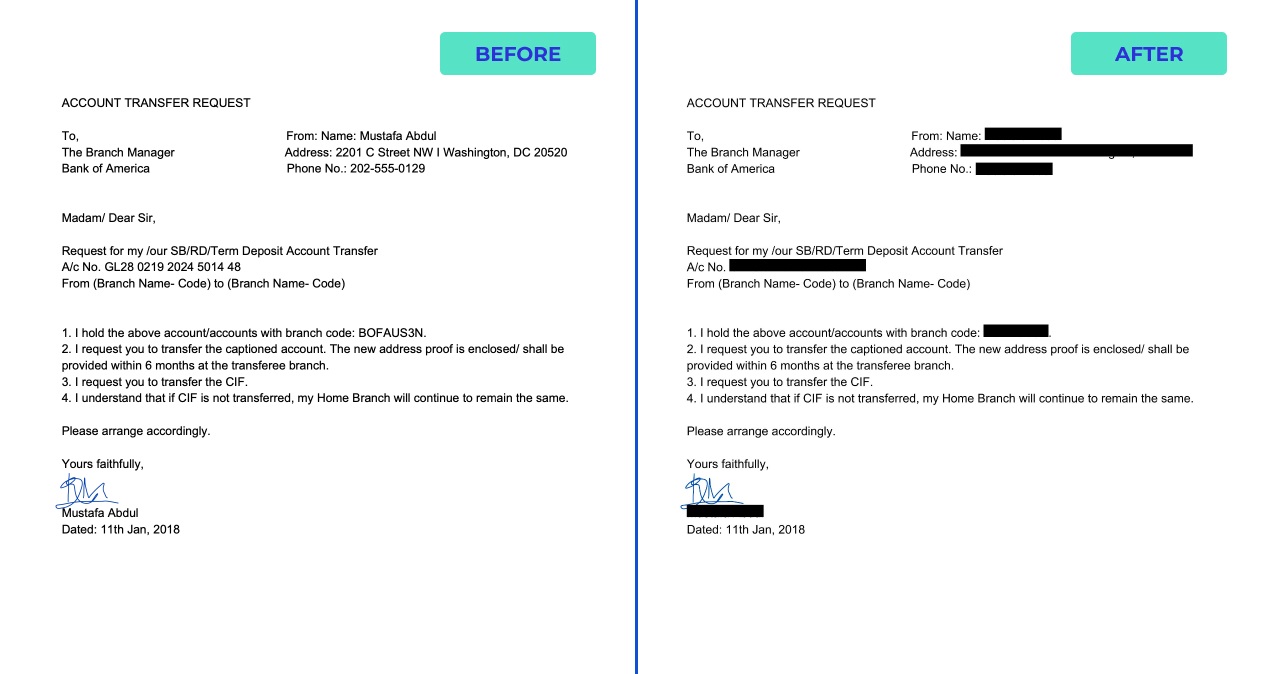
Real redaction failures aren't hypothetical—they're embarrassingly public and often involve organizations that should know better. In 2014, The New York Times accidentally exposed an NSA agent's name when publishing Snowden documents. Readers simply copied and pasted past the "redacted" text, revealing sensitive operational details. The problem? They used black boxes that covered text visually but left the underlying data intact.
The 2019 Paul Manafort case exposed an even more basic error. His legal team filed court documents with improperly redacted sections—anyone could highlight the text to reveal accusations about sharing polling data and meetings with Russian contacts. These weren't sophisticated hacks. They were copy-paste operations any high schooler could perform.

Here's what actually goes wrong in most organizations:
The "paint over it" approach: Teams use Word highlights, text boxes, or black rectangles that merely cover text—not remove it. According to NSA guidelines from 2005, this is "the most common mistake." The original data remains in the file structure, searchable and extractable.
Metadata blindness: You redacted every name in the document text. Great. But did you check the document properties, revision history, and embedded comments? During Meta's FTC trial, redacted competitor information was exposed through metadata—not visible content.
The copy-paste death spiral: Staff redact information in one document, then copy sections into a new file. The redaction boxes don't transfer. The sensitive text does. The NSA itself fell victim to this in 2014.
Real redaction means permanent deletion from the file structure—not visual concealment. Tools like Redact-Pdf use AI to actually remove sensitive data with 99.9% accuracy, not just paint over it. For organizations handling legal documents, medical records, or financial data, the difference between covering and deleting isn't technical trivia—it's the difference between compliance and catastrophe.
Sources:
- Epic Fail: This Common Redaction Error Exposes Confidential Info
- New York Times Suffers Redaction Failure
- Failed redaction reveals Paul Manafort's 'lies to FBI'
- 10 Redaction Failures That Exposed Government Secrets
Building Your Document Redaction Training Program: A Step-by-Step Framework
Here's the truth about redaction training that most guides miss: your biggest risk isn't choosing the wrong software—it's launching a program without a clear assessment of what your team actually needs to learn.
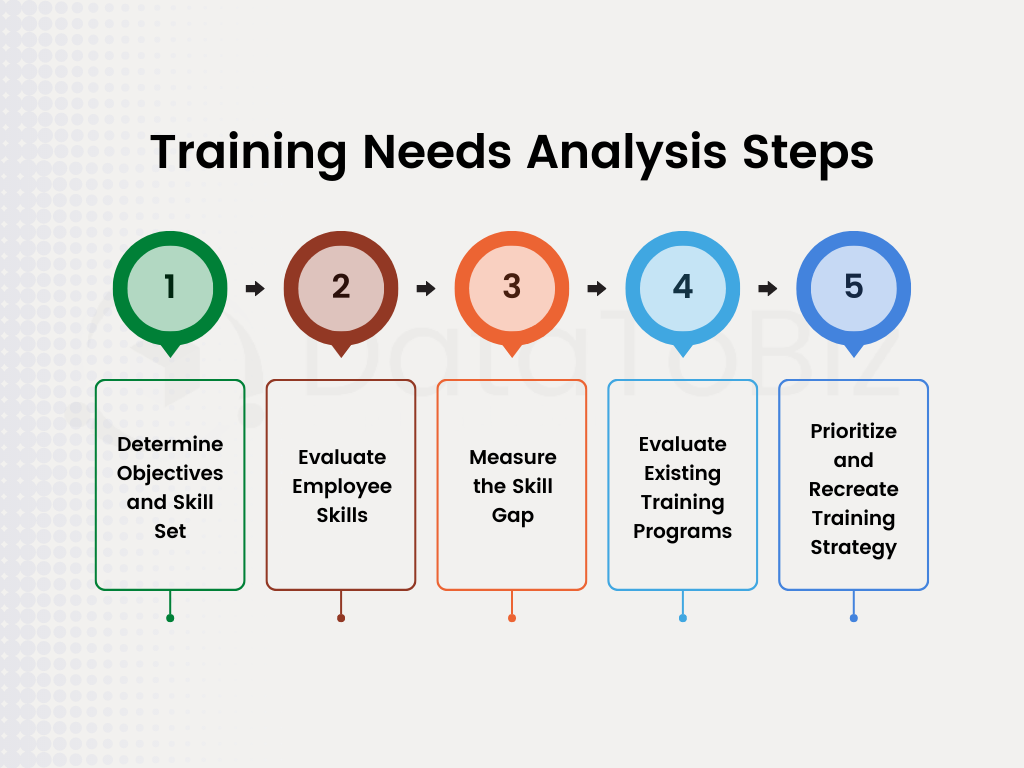
Start with a proper needs assessment. Walk through your actual redaction workflows. Which departments handle sensitive documents? What types of PII do they encounter—Social Security numbers, protected health information, trade secrets? Teams at federal agencies have found that mapping specific document types to their regulatory requirements cuts training time in half because you're teaching precisely what people need, not everything they might need.
Establish clear policies before touching any tools. According to guidance from the UK Information Commissioner's Office, your redaction policy must document reasonable, defensible decisions about what gets redacted and why. This isn't bureaucracy—it's your protection during audits. Include specific examples: when does a date stay visible versus get redacted? How do you handle third-party data in access requests?
Define roles like you mean it. Your compliance officer oversees the framework, but who performs daily redactions? Who reviews disputed cases? Legal teams at Stripe learned this the hard way—without clear escalation paths, simple redaction questions balloon into week-long email chains.
Choose technology that matches your volume. For occasional redaction (a few documents weekly), free tools work. But if you're processing hundreds of pages? Redact-Pdf automatically detects and redacts PII with 99.9% accuracy, cutting redaction time from hours to minutes. Their AI handles names, emails, phone numbers, addresses, bank details, and credit cards across PDFs, images, and documents—compliant with HIPAA, GDPR, and SOC 2 standards.
Create materials people will actually use. Skip the 40-page manual. Build quick-reference guides: one page for each document type showing real examples with annotations. Federal agencies report that peer training—experienced staff teaching newer members—produces better retention than formal presentations.
Verification protocols are non-negotiable. Every redacted document gets a second review. Period. Set up audit trails documenting who redacted what and when. This isn't about trust—it's about having concrete evidence when regulators come asking.
Essential Skills Every Team Member Needs to Master
Here's what separates effective redaction teams from those risking data breaches: they treat it as a technical skill requiring mastery, not just "blacking stuff out."
The Foundation: Identifying What Requires Redaction
Your team needs to know the difference between PII and PHI cold. According to PDFized's analysis, the most common failures happen when staff don't understand data categories. PII includes names, Social Security numbers, addresses, and financial account details. PHI goes further—anything linking medical information to an individual falls under HIPAA's stricter rules, including diagnosis codes in patient files or treatment notes. Redactable's research shows that a Social Security number in a medical context gets different protection requirements than the same number in an employment record.
Train your team on industry-specific requirements. Healthcare staff must understand HIPAA's breach notification thresholds, while legal teams need to recognize attorney-client privilege markers and work product protections.
Manual vs. Automated: Knowing When to Use Each
According to Veritone's breakdown, manual redaction catches context-dependent sensitivity (like redacting a witness name mentioned once in 200 pages), while automated tools excel at pattern-matching across volumes. Redact-Pdf demonstrates this efficiency with 99.9% accuracy in automatically detecting names, emails, phone numbers, and financial data—handling the heavy lifting while your team focuses on contextual judgment calls.
Verification: The Non-Negotiable Step
Teach double-checking protocols. Everlaw's workflow shows that batch redactions require manual spot-checks—AI might miss abbreviations or nicknames. According to Yahoo Finance's investigation, The New York Times accidentally revealed an NSA agent's name because they used simple "black boxes" on a PDF without permanent removal. Your staff must understand true redaction means data deletion, not just visual covering.
Choosing the Right Redaction Tools: Why Redact-Pdf Stands Out
Here's what most training programs miss: the wrong tools sabotage even the best-trained staff. According to Candello's 2024 analysis, nearly 20% of medical malpractice cases stem from documentation failures—many traceable to inadequate redaction tools.
Manual redaction with black boxes in Adobe Acrobat feels safe until someone copies and pastes that "hidden" text. HSBC learned this the hard way in 2009, and the NSA repeated the mistake in 2014. These weren't training failures—they were tool failures. Your staff can't protect what their software doesn't permanently remove.
AI-powered solutions change the game. Research from arXiv demonstrates that machine learning algorithms can swiftly identify sensitive data across large document volumes, automatically flagging personal information, financial details, and classified content that human reviewers routinely miss under deadline pressure.
Redact-Pdf addresses exactly these challenges with 99.9% accuracy in detecting PII and PHI across PDFs, images, and mixed-language documents. Unlike traditional tools, it's built for compliance—HIPAA, GDPR, and SOC 2 Type II certified out of the box. Staff can upload files, let AI handle initial detection, then use the intuitive Studio editor to manually verify and refine redactions before download. That human-in-the-loop workflow matters: research shows no AI system achieves perfect accuracy alone, but combining automation with smart review catches errors both approaches miss separately.
Why does this matter for training? Because teaching staff to work with Redact-Pdf means training them on one reliable system—not juggling multiple tools with varying security standards. The platform handles everything from credit card numbers to bank details automatically, giving your team consistent, auditable results every time. That's the foundation effective training actually needs.

Implementing Your Training: Practical Tactics That Actually Work
Here's what compliance consultants won't tell you upfront: most redaction training fails because it's taught like a policy—all theory, no reps. Healthcare organizations spend thousands on formal training, then watch staff make basic mistakes the first time they handle a real patient record. The teams at Redact-Pdf have analyzed thousands of failed redactions—and the pattern is clear. People don't learn redaction by reading about HIPAA. They learn by actually redacting documents, making mistakes in a safe environment, and getting immediate feedback.
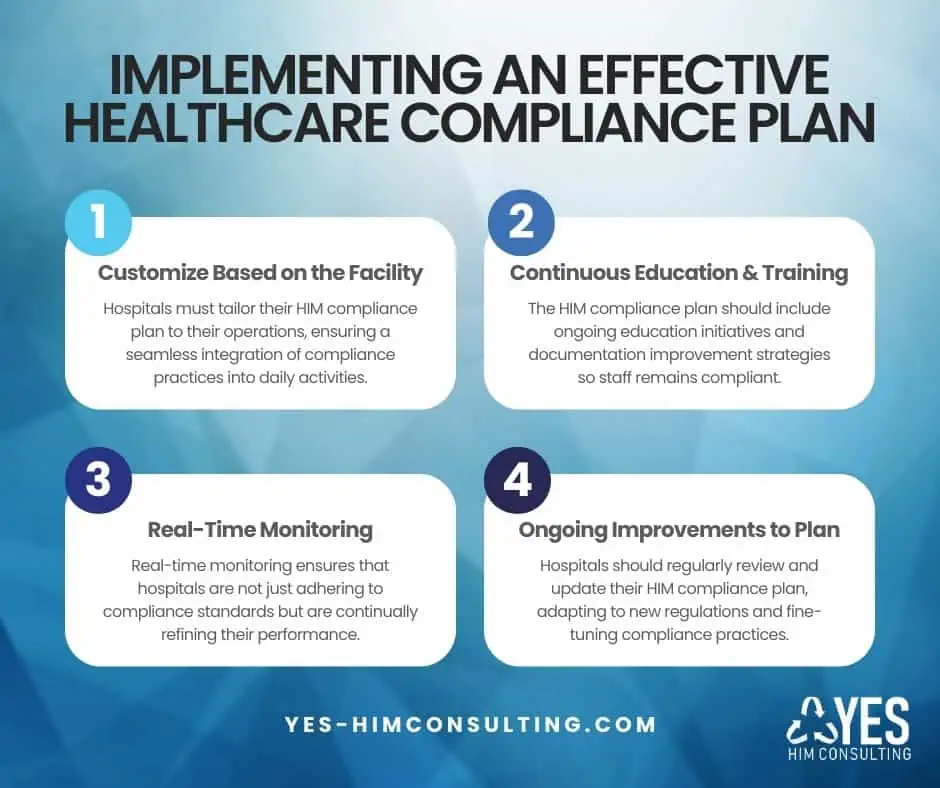
Start with what Paubox calls the "manual review backstop"—every trainee should practice with real document types from your workflow. In legal firms, that means discovery documents with client names, addresses, and privileged communications. For healthcare, use de-identified patient records where trainees hunt for 18 HIPAA identifiers across lab reports and discharge summaries. Financial services staff? Practice with loan applications containing SSNs, account numbers, and credit card details that must be completely removed, not just covered.
Training-Central's research found that role-based learning paths cut training time by 40% while improving accuracy. Your intake coordinator doesn't need to master legal redaction standards—they need to nail patient demographic redaction. Build micro-certifications: "You can now redact patient intake forms" before progressing to "You can handle radiology reports with embedded metadata."
The before-and-after assessment framework works like this: First assessment establishes baseline—most new hires catch only 60-70% of PII on first attempt. After hands-on practice with AI-powered tools like Redact-Pdf, which maintains 99.9% accuracy as your benchmark standard, retest with similar documents. Track individual improvement curves and flag anyone below 95% for additional coaching.
Taino Consultants recommends quarterly refreshers tied to regulatory updates—like the May 2025 Security Rule changes that modified digital safety requirements. Document everything: completion dates, test scores, tool certifications. Create feedback loops where staff can report "almost missed this" moments—those real-world scenarios become your next training case studies.
Common Training Pitfalls and How to Avoid Them
Most redaction training programs fail before they even begin—and the culprits are predictable. Organizations dump everything into a single session, use generic materials for everyone, and then wonder why sensitive data still gets exposed six months later. Training Magazine found that treating training as a one-time event instead of a continuous process is the number one reason programs don't stick.
The "One-and-Done" Trap
That three-hour training session from 2023? It's already obsolete. Regulations like HIPAA and GDPR evolve constantly, and VIDIZMO Redactor recommends regularly reviewing legal requirements that affect redaction protocols. Set up quarterly refreshers—even 20-minute sessions work—and assign someone to monitor regulatory updates. Better yet, use tools like Redact-Pdf that stay compliant with HIPAA, GDPR, and SOC 2 standards automatically, reducing the training burden when rules shift.
Generic Training Doesn't Cut It
Your legal team redacts court filings. HR protects employee records. They don't need the same training. Role-specific training addresses real scenarios each department faces—like teaching healthcare staff about PHI versus teaching finance teams about bank account numbers. Give people examples from their actual workflows, not hypothetical situations they'll never encounter.
Missing the Measurement Piece
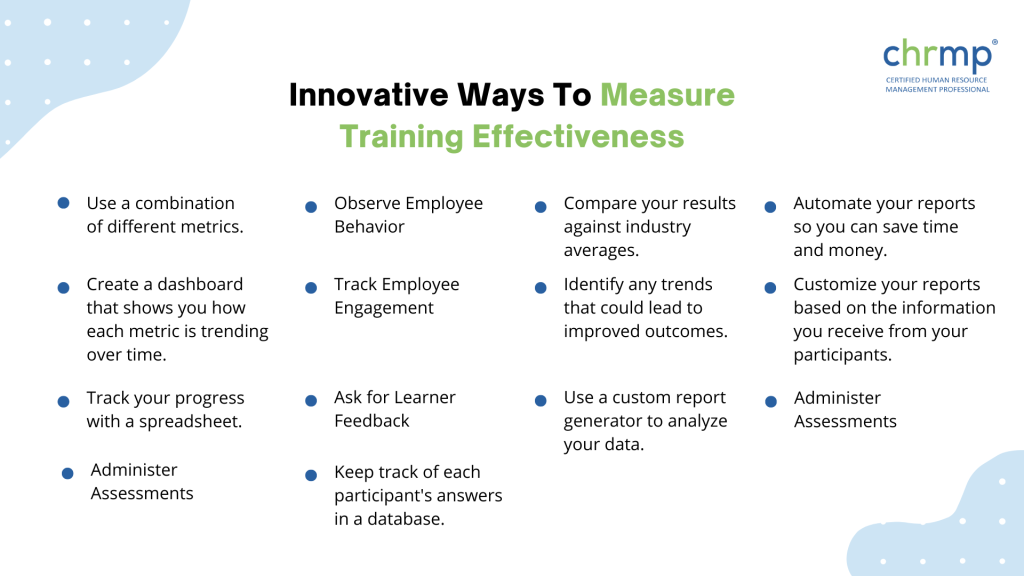
You trained 50 people—great. But do they actually apply what they learned? Track knowledge retention at 30, 60, and 90 days through follow-up assessments. Monitor redaction errors before and after training. Calculate time-to-proficiency for new hires. Without metrics, you're flying blind—and potentially exposing sensitive data without knowing it.
Measuring Success: KPIs and Auditing Your Redaction Process
You've trained your team on redaction—but how do you know it's actually working? Most organizations skip this step and only discover problems when sensitive data leaks happen. Here's what actually matters.
Track These Four Metrics (Skip the Fluff)
Error rate is your primary indicator. According to Hyperproof's compliance audit research, organizations should monitor access logs and audit trails to verify compliance through documentation reviews. Aim for less than 2% of redacted documents requiring rework. Anything higher means your training needs immediate adjustment.
Time-to-complete shows efficiency gains. A properly trained team should redact standard documents 40-60% faster after training compared to their baseline. Track this monthly—not quarterly—because habits form quickly.
Audit pass rates reveal consistency. Run random spot checks on 5-10% of redacted documents weekly. Tools like Redact-Pdf provide built-in audit trails that automatically log every redaction action, making compliance reviews straightforward rather than tedious.
Staff confidence levels predict future performance. According to Federal Register training data, 77% of participants showed increased knowledge and 67% gained confidence post-training. Survey your team before and 30 days after training—not just immediately after when they're still enthusiastic.
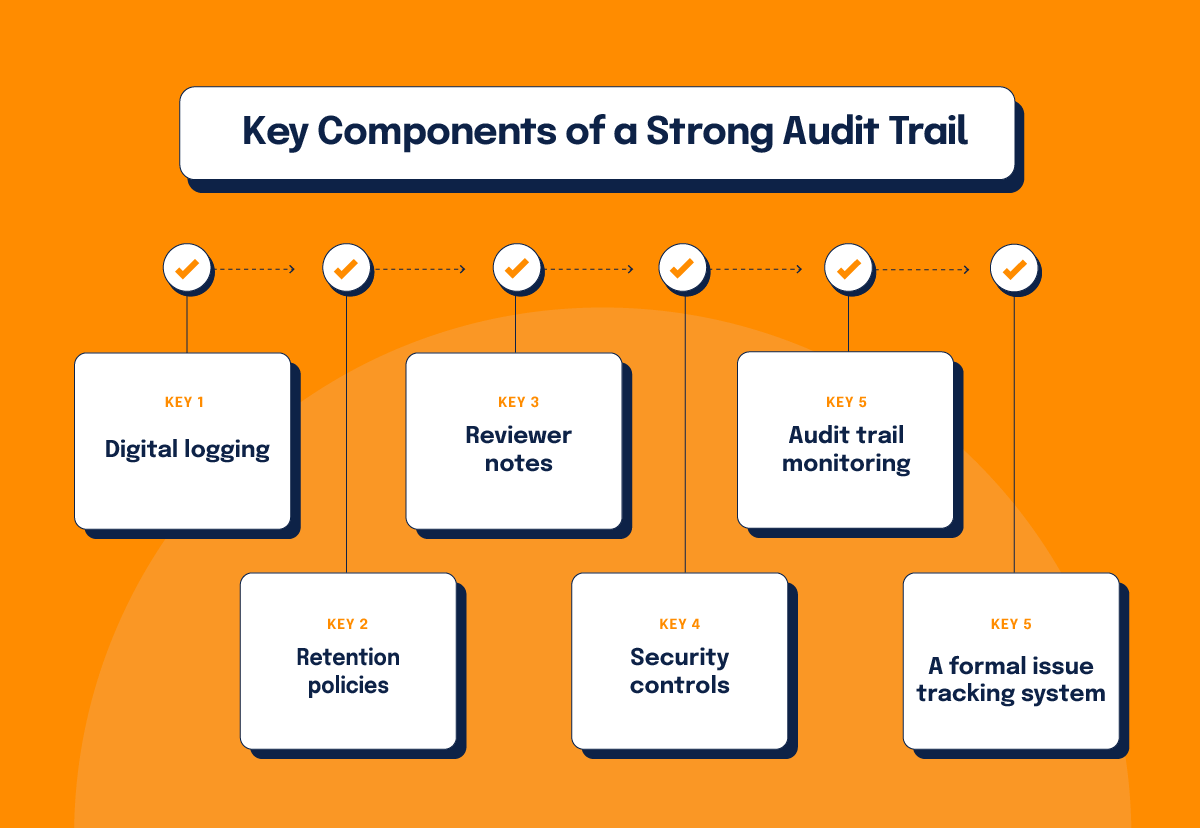
Build Your Audit Trail System
Hyperproof's compliance framework emphasizes that tamper-proof audit trails ensure accountability. Your system should automatically capture who redacted what, when, and which exemption codes they applied. Modern tools like Objective Redact generate instant reports showing redaction types, instance counts, and page numbers—no manual compilation needed.
The real test? Pull an audit report at 3pm on Friday. If it takes longer than 5 minutes, your system needs work.
How to Train Your Staff on Document Redaction Best Practices
That black box covering sensitive information in your company's PDFs? There's a decent chance anyone with basic copy-paste skills could expose it in seconds. In 2024 alone, HIPAA violations related to improper data protection resulted in over $6 million in penalties to a single state attorney general's office. PIH Health settled for $600,000, while HCA Healthcare faced an estimated $9.3 million class action settlement—all stemming from failures that proper redaction training could have prevented. The December 2025 DOJ Epstein files exposed this vulnerability on a national scale when black-highlighted text remained fully readable through simple copy-paste, revealing how widespread inadequate redaction practices truly are. This guide walks you through building a training program that protects your organization from becoming the next cautionary tale—covering everything from identifying common mistakes to implementing verification protocols that actually work.
Conclusion: From Risk to Confidence in Three Steps
The difference between compliance and catastrophe comes down to three concrete actions you can implement starting today.
First, assess your current situation honestly. Walk through your actual redaction workflows and document what types of sensitive data each department handles. Map those document types to your specific regulatory requirements—HIPAA for healthcare, GDPR for EU data, SOC 2 for service organizations. This assessment typically reveals that 60-70% of staff don't fully understand what constitutes properly redacted information versus merely covered information.
Second, implement proper training with the right tools. Role-specific training cuts implementation time by 40% compared to generic approaches. For organizations processing more than a few documents weekly, Redact-Pdf automates detection of PII and PHI with 99.9% accuracy across PDFs, images, and mixed-language documents—handling the heavy lifting while your team focuses on contextual judgment. Their intuitive Studio editor lets staff verify AI-detected redactions before finalizing, combining automation efficiency with human oversight.
Third, establish ongoing verification protocols. Run random spot checks on 5-10% of redacted documents weekly. Track error rates monthly, aiming for less than 2% requiring rework. Build audit trails that capture who redacted what and when—modern tools like Redact-Pdf provide these automatically, making compliance reviews straightforward rather than burdensome.
Start securing your documents properly today. The cost of getting it wrong—measured in both regulatory fines and reputation damage—far exceeds the investment in doing it right.