Analysis of AI Governance and Ethical Considerations in Document Redaction for 2025
Analysis of AI Governance and Ethical Considerations in Document Redaction for 2025
Last month, a major healthcare provider accidentally exposed thousands of patient records because their "redacted" PDF allowed anyone to simply copy-paste the supposedly hidden text. This wasn't a sophisticated hack—just a basic keyboard shortcut revealing social security numbers, diagnoses, and treatment histories that should have been permanently deleted. Welcome to the hidden privacy crisis in document redaction, where the tools meant to protect our most sensitive information are failing at an alarming rate.
As we navigate 2025, the stakes have never been higher. AI-powered redaction systems are processing millions of documents daily—legal briefs, medical records, government files, financial statements—each containing data that could destroy lives if mishandled. Yet most organizations remain dangerously unaware of the governance frameworks and ethical considerations that separate truly secure redaction from digital disasters waiting to happen.
The convergence of stricter regulations like the EU AI Act, the NIST AI Risk Management Framework, and a patchwork of state privacy laws has created a compliance minefield. Add algorithmic bias, transparency requirements, and the tension between automation efficiency and privacy protection, and you've got a perfect storm of challenges that demand immediate attention. This analysis cuts through the complexity to reveal what organizations must understand about AI governance and ethics in document redaction—before their next redaction failure makes headlines.
The Evolution of AI-Powered Document Redaction: From Manual to Automated
Remember the last time you carefully reviewed a document with a marker, manually blacking out sensitive information? That painstaking process is rapidly becoming a relic of the past. Manual redaction traditionally required professionals to meticulously scan every word, physically obscure confidential data, and then double-check their work to ensure no sensitive details slipped through—a process that could take hours or even days for lengthy documents.
The transformation to AI-powered solutions represents more than just a technological upgrade; it's a fundamental reimagining of how we protect sensitive information. Modern automated redaction systems use artificial intelligence and machine learning to identify and remove personally identifiable information (PII), financial data, and classified content across massive document volumes in minutes rather than hours. Research from ResearchGate confirms that AI-driven solutions significantly outperform manual methods in both accuracy and speed.
Organizations are experiencing tangible benefits from this shift. For teams handling thousands of contracts, medical records, or legal documents, tools like Smallpdf's redaction solution provide browser-based, GDPR-compliant platforms that permanently remove sensitive content with TLS encryption and automatic file deletion after processing. However, this evolution hasn't eliminated human oversight entirely. Leading platforms like CaseGuard Studio now offer hybrid approaches, combining AI's speed with manual precision for documents requiring extra scrutiny—acknowledging that while automation excels at scale, human judgment remains essential for nuanced decision-making and quality control.
Key AI Governance Frameworks Shaping Redaction Practices in 2025
Navigating AI-powered document redaction in 2025 means understanding three major governance frameworks that are fundamentally reshaping how organizations handle sensitive information. Think of these frameworks as your compliance roadmap—whether you're redacting financial records, legal documents, or personal data.
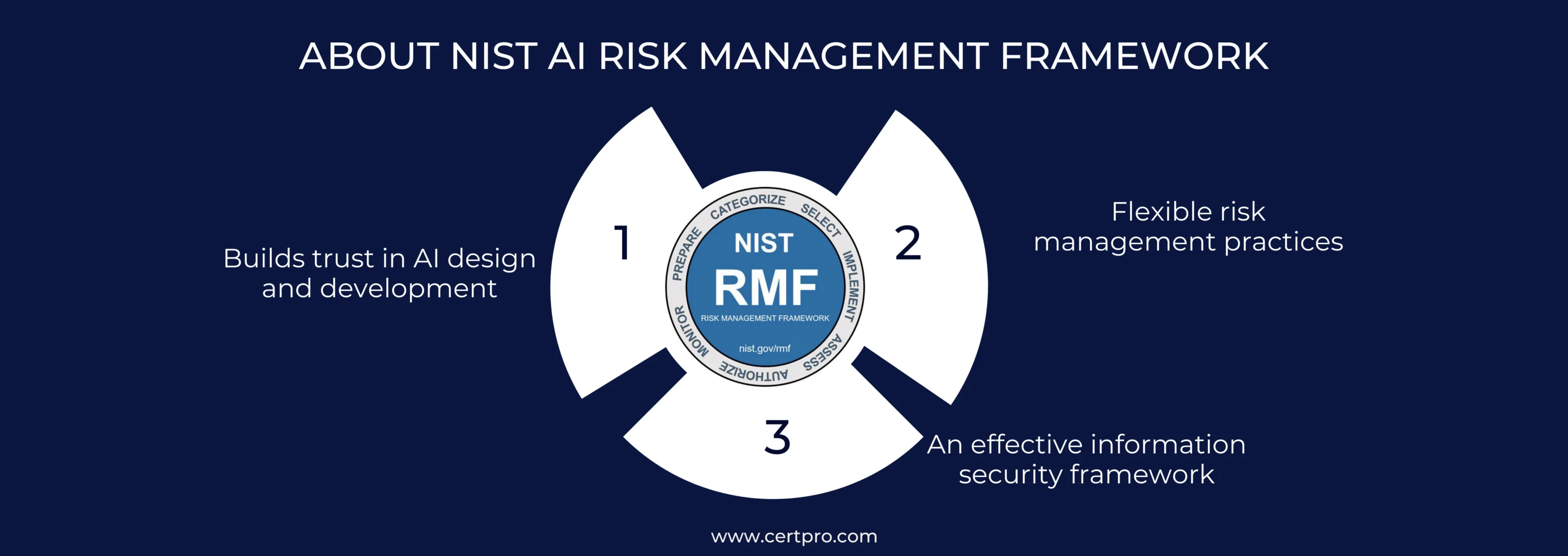
The NIST AI Risk Management Framework (AI RMF) serves as America's voluntary, risk-based approach to trustworthy AI development and deployment. While not legally mandated, this framework provides critical guidance for organizations implementing AI redaction tools. According to RSI Security's analysis, organizations following NIST AI RMF principles gain a significant advantage when pursuing additional certifications like ISO/IEC 42001, creating a streamlined path toward comprehensive AI governance.
The EU AI Act, which became effective in August 2024, represents the world's first legally binding AI regulation. Unlike NIST's voluntary framework, the EU AI Act classifies systems by risk level and imposes strict compliance requirements with real penalties for violations. For document redaction systems processing European data, this means mandatory risk assessments, transparency requirements, and accountability measures.
State-level regulations across the US are creating a patchwork of requirements that organizations must navigate carefully. As Harvard's Center for Ethics notes, the tension between innovation and risk management continues to drive policy development.
For practical implementation, tools like Smallpdf's AI-powered PDF redaction service demonstrate how leading platforms align with these frameworks. Their approach combines permanent content deletion, TLS encryption, and GDPR compliance—directly addressing requirements from both NIST and EU frameworks while maintaining user-friendly functionality.
Key compliance considerations for 2025:
- Document your AI redaction system's decision-making processes
- Implement regular bias testing and accuracy audits
- Maintain transparency about AI involvement in redaction workflows
- Ensure data protection measures meet both US and EU standards
Organizations operating globally should adopt a comprehensive strategy that integrates principles from both NIST AI RMF and the EU AI Act, with ISO 42001 emerging as a unified global benchmark that bridges these frameworks.
Ethical Considerations: Balancing Transparency, Privacy, and Algorithmic Bias
The rise of AI-powered document redaction presents a fascinating ethical paradox: the same technology designed to protect privacy can inadvertently violate it through hidden biases. When algorithms decide what information deserves protection, they're making value judgments that carry profound implications for individuals and society.
The Algorithmic Bias Problem
According to Algorithmic bias, data ethics, and governance research, AI systems regularly exhibit bias in decision-making processes across hiring, lending, and healthcare—and document redaction is no exception. These systems may over-redact information from certain demographic groups while under-protecting others, effectively creating a two-tiered system of privacy protection. For instance, an AI trained predominantly on government documents might fail to recognize culturally specific names or addresses, leaving minority populations vulnerable to privacy breaches.

The TAG Act now requires agencies to explain and audit AI systems affecting public rights, acknowledging that transparency in automated redaction isn't optional—it's a democratic necessity. Yet this transparency requirement itself creates tension: how do we explain AI decisions without revealing the very patterns that could be exploited to circumvent redaction?
Privacy Versus Public Interest
Government redaction practices must navigate the delicate balance between FOIA compliance and protecting individual privacy. When AI systems make these determinations, they're essentially encoding society's values about what deserves protection. A 2025 study on ethical challenges found that without human oversight loops and regular bias audits, automated redaction can systematically favor institutional interests over individual privacy rights.
Modern solutions like Smallpdf's redaction tool address these concerns through GDPR compliance, permanent deletion guarantees, and TLS encryption—but they also highlight a critical reality: technical security measures alone cannot resolve ethical dilemmas. Organizations need comprehensive AI ethics boards and explainability frameworks to ensure their redaction systems serve all stakeholders fairly.
Compliance Requirements: State-by-State and Industry-Specific Regulations
Navigating document redaction compliance in 2025 requires understanding a complex web of state-specific privacy laws and industry regulations. With over 15 state comprehensive privacy laws now active, businesses must adapt their redaction practices to meet varying consumer rights and data protection standards.
California's Leading Privacy Framework
California continues setting the national standard through CCPA and CPRA requirements. Businesses must provide clear privacy notices before collecting consumer data and respond to verified requests for data deletion or access. The CPRA mandates data protection impact assessments for any processing presenting "significant risk" to consumer privacy, directly impacting how organizations handle redaction workflows and maintain audit trails.
Healthcare's Strict Standards
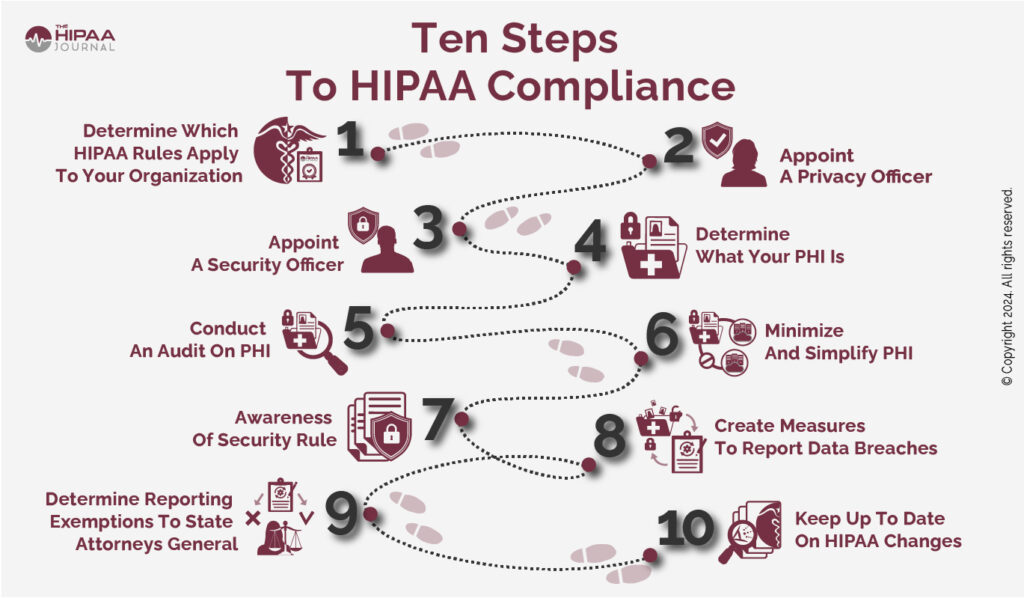
Healthcare organizations face the most rigorous redaction requirements under HIPAA. The 2025 HIPAA compliance checklist emphasizes updated breach notification timelines and modified patient access rights. Practices must complete comprehensive data inventories, encrypt protected health information (PHI), and ensure all vendors—including redaction software providers—meet HIPAA standards. A tool like Smallpdf's secure PDF redactor provides the permanent deletion and GDPR compliance healthcare organizations need while maintaining TLS encryption for PHI protection.
State-Specific Variations
New Jersey uniquely requires mandatory data protection assessments before any high-risk processing begins—not after. Minnesota and Colorado have enhanced protections for minors under 16, while Delaware, Maryland, and Nebraska provide GLBA exemptions at the entity level. Financial services firms must align redaction practices with these varying thresholds and ensure proper handling of sensitive personal information across all jurisdictions where they operate.
Building a Responsible AI Redaction Strategy: Best Practices and Implementation
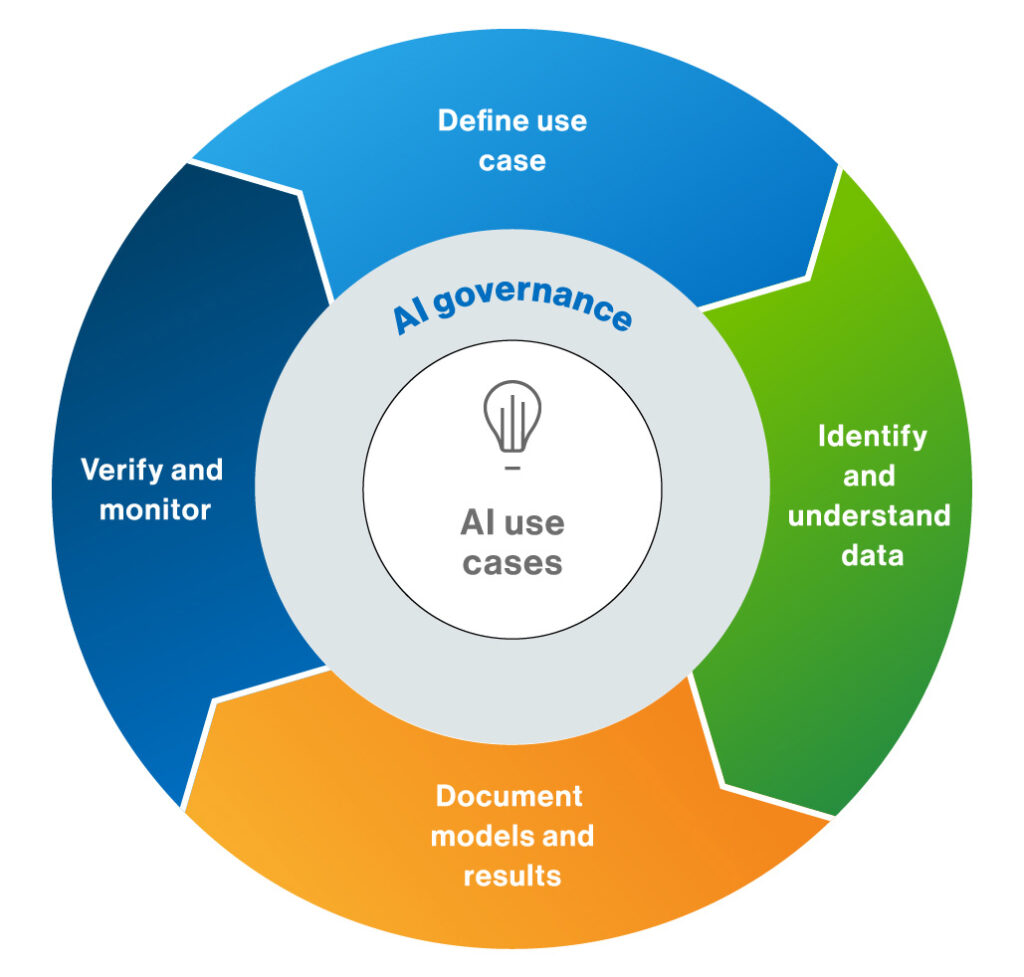
Organizations deploying AI-powered redaction systems need a structured approach that balances efficiency with ethical responsibility. According to Athena Solutions' AI Governance Framework, implementing robust governance isn't just about rules—it's about transforming abstract principles into concrete, everyday practices across your AI lifecycle.
Start with Privacy by Design principles. Rather than bolting on privacy protections after building your system, embed data protection measures from initial conception. This means conducting privacy impact assessments before deployment, implementing data minimization protocols that only collect necessary information, and using privacy-enhancing technologies like differential privacy and homomorphic encryption. TechGDPR research shows these approaches prevent data from being traced back to individuals while maintaining analytical value.
Establish mandatory human oversight mechanisms. The EU AI Act requires high-risk AI systems to maintain robust risk management and ensure clear human oversight. For redaction workflows, this means trained reviewers validate AI decisions before finalizing documents, with escalation protocols for edge cases.
For organizations seeking a compliance-ready solution, Smallpdf's PDF redaction tool exemplifies these principles by combining permanent deletion capabilities with TLS encryption, GDPR compliance, and automatic file deletion after processing—demonstrating how technical safeguards can align with regulatory frameworks while maintaining user-friendly workflows.
Implement continuous monitoring systems. Advanced governance platforms can dynamically update policies in response to new regulations, summarize regulatory changes, and suggest governance document updates—turning compliance from a static checklist into an adaptive framework.
Choosing the Right AI Redaction Solution: What to Look for in 2025
Selecting the right AI redaction tool in 2025 requires looking beyond basic blackout features. The stakes are higher than ever—according to embarrassing redaction failures documented by the American Bar Association, improper redaction has led to public exposure of confidential case details when copying and pasting revealed "hidden" text underneath black boxes.
Non-Negotiable Security Features
Your redaction solution must offer permanent, irreversible deletion—not just visual masking. Smallpdf's redaction tool exemplifies the gold standard with browser-based TLS encryption, automatic file deletion after processing, and GDPR compliance built into every workflow. Unlike tools that merely overlay black rectangles, permanent redaction ensures deleted content cannot be recovered through any technical means.
Compliance and Accuracy Markers
Look for solutions with documented audit trails that satisfy regulatory requirements. Your tool should support HIPAA, FOIA, CJIS, and GDPR compliance with measurable accuracy rates. AI-powered redaction tools now process claims 75% faster while automatically identifying all 18 types of Protected Health Information.
Essential evaluation criteria include:
- Permanence verification: Can redacted content be extracted through copy-paste or forensic recovery?
- Compliance certifications: Does the vendor provide documentation for industry-specific regulations?
- Processing transparency: Are audit logs comprehensive and exportable for compliance reviews?
Data privacy tools in 2025 must automate compliance while maintaining consistent privacy standards across your entire document ecosystem—choose solutions that deliver both security and operational efficiency.
The Future of AI Governance in Document Redaction: Trends and Predictions
The landscape of AI-powered document redaction is entering a transformative phase as we move beyond 2025. Organizations must prepare for significant shifts driven by regulatory maturation, technological advancement, and evolving ethical frameworks.
Regulatory Scrutiny Intensifies
According to AI trends for 2025: AI regulation, governance and ethics, the EU AI Act's risk-based approach is becoming the global benchmark for responsible AI regulation. This framework categorizes AI systems based on their potential impact on fundamental rights—a crucial consideration for redaction tools handling sensitive data. As noted in Top AI Governance Trends for 2025, enforcement will escalate with higher fines for non-compliance, making automated compliance monitoring essential for real-time risk assessment.

Neural Data Protection Emerges
A groundbreaking development is the integration of neural data protections. Recent Colorado and California legislation now explicitly governs "neural data," expanding sensitive data definitions to include brain-derived information. For organizations using AI redaction systems, this means preparing for consent requirements when processing this emerging data category—particularly relevant as neurotechnology becomes mainstream.
Explainable AI Becomes Non-Negotiable
The demand for transparent redaction decisions is surging. Organizations are increasingly expected to explain why AI systems flagged specific content for redaction. This shift toward explainable AI addresses fundamental concerns about algorithmic accountability and builds trust with stakeholders navigating compliance with developing global regulations.
For organizations seeking compliant, user-friendly solutions, Redact PDF offers GDPR-compliant redaction with TLS encryption and automatic file deletion—aligning with emerging privacy standards while maintaining accessibility through browser-based operation.
Sources:
- AI trends for 2025: AI regulation, governance and ethics
- Top AI Governance Trends for 2025
- Neural Data Privacy Regulation
- The Annual AI Governance Report 2025
Analysis of AI Governance and Ethical Considerations in Document Redaction for 2025
Picture this: A healthcare administrator discovers that their automated redaction system accidentally exposed patient data in thousands of processed documents—not because of a technical glitch, but because the AI had learned to prioritize institutional interests over individual privacy. This nightmare scenario isn't hypothetical anymore. As organizations rush to adopt AI-powered document redaction tools in 2025, they're discovering that efficiency gains come with profound ethical responsibilities. The question isn't whether to use AI for redaction—it's how to implement these systems responsibly while navigating a rapidly evolving landscape of regulations, from the EU AI Act to state-specific privacy laws. Whether you're a legal team handling sensitive contracts, a compliance officer managing healthcare records, or an IT department selecting redaction solutions, understanding AI governance frameworks isn't optional—it's the foundation of protecting both your organization and the individuals whose data you handle. This comprehensive analysis reveals what's working, what's failing, and most importantly, what you need to do right now to build trustworthy AI redaction systems.