How to Leverage AI for Redacting Handwritten and Scanned Documents in 2025
How to Leverage AI for Redacting Handwritten and Scanned Documents in 2025
Picture this: It's 2 AM, and a compliance officer at a major hospital is manually reviewing her 247th scanned patient form of the day, squinting at barely legible handwriting to ensure every piece of protected health information gets properly redacted. She's exhausted, her eyes are burning, and she knows that even one missed Social Security number could trigger a HIPAA violation costing millions. This isn't a nightmare scenario—it's the daily reality for thousands of professionals still relying on manual redaction methods in 2025.
Here's the truth: traditional redaction simply can't keep pace with the volume and complexity of modern document workflows. Between scanned contracts, handwritten medical forms, and digitized legal files, organizations are drowning in sensitive information that needs protection. But there's hope. AI-powered redaction technology has evolved from experimental to essential, delivering accuracy rates above 95% while slashing processing times by up to 70%. In this guide, you'll discover exactly how to harness these intelligent systems to transform your redaction workflow—protecting sensitive data faster, more reliably, and without the burnout that comes with manual processes.
Why Traditional Redaction Methods Fail for Handwritten and Scanned Documents
Manual redaction isn't just tedious—it's dangerously unreliable. According to recent data on GDPR compliance, 95% of data breaches in 2024 stemmed from human error, including overlooked metadata and poorly redacted files. When your team is manually reviewing hundreds of scanned documents, the likelihood of missing a Social Security number or protected health information (PHI) increases exponentially.
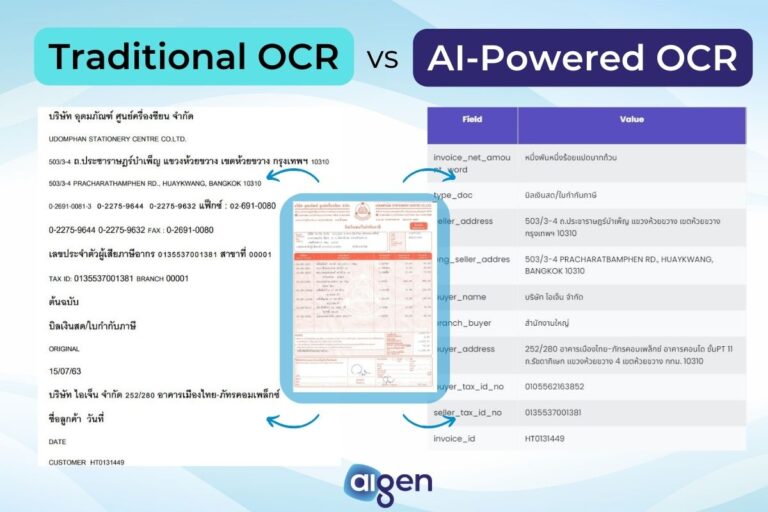
The problem becomes even more acute with handwritten and scanned documents. Traditional OCR technology shows a significant accuracy drop when dealing with non-standard layouts, skewed images, or handwritten content. Your compliance team might think they've redacted every instance of sensitive data, but OCR limitations mean they're working with incomplete or inaccurate text recognition.
The financial stakes are real. HIPAA violations have resulted in multi-million-dollar settlements, with the University of Rochester Medical Center paying $3 million after PHI was disclosed through unencrypted devices. Under GDPR, HIPAA, and CCPA, organizations handling scanned medical records, legal documents, or financial statements must permanently remove personally identifiable information—not just cover it with a black box that can be removed later.
Manual methods also struggle with context. A handwritten note saying "Patient John Smith, DOB 3/15/1980" requires understanding that both the name and date constitute protected information, something basic redaction tools can't discern.
How AI-Powered OCR Technology Transforms Document Redaction
Traditional Optical Character Recognition relied on rigid, rule-based algorithms that struggled with anything beyond pristine, printed text. Today's AI-enhanced OCR flips that script entirely. By combining computer vision, natural language processing, and machine learning algorithms, modern systems don't just "read" documents—they understand context, adapt to variations, and learn from every document they process.
Here's the breakthrough: AI-powered OCR systems now achieve up to 99.56% accuracy for standard documents, with 20-30% improvement on poor-quality images compared to legacy systems. For handwritten text—historically OCR's Achilles' heel—accuracy has jumped to 85-95% in 2025. That's transformative for redaction workflows dealing with medical forms, legal contracts, or government records.
The Magic Behind the Machine
Unlike traditional OCR requiring manual configuration for each document type, GenAI-powered systems leverage transformer-based architectures and deep learning to dynamically learn through feedback loops. They handle:
- Complex layouts with mixed text and images
- Degraded or low-quality scanned documents
- Multiple languages within single documents
- Contextual understanding of PII/PHI patterns
For organizations using tools like Redact-PDF.ai, this means automatically identifying all 18 types of Protected Health Information without manual markup—a game-changer when healthcare data extraction demands both speed and precision. The AI doesn't just find Social Security numbers; it understands when "John Smith" appears in a medical context versus administrative notes.
Key Features to Look for in AI Redaction Software in 2025
Choosing the right AI redaction software can feel overwhelming, but focusing on a few critical capabilities will help you make the smartest decision. Think of it like buying a car—you wouldn't settle for one without essential safety features, right? The same principle applies to protecting sensitive information in your documents.
Multi-Format Support and Processing Power
First and foremost, your redaction tool must handle diverse file types seamlessly. According to industry leaders in redaction software, the best solutions support PDFs, scanned documents, and various image formats through comprehensive SDKs. More importantly, Optical Character Recognition (OCR) technology is non-negotiable—it allows the software to recognize and redact words in scanned documents, transforming your physical paperwork into securely digitized files.
For teams dealing with high volumes, real-time processing capabilities separate the contenders from the pretenders. Nobody wants to wait hours for batch redactions to complete when deadlines are looming.
Intelligent Detection and Irreversible Protection
Modern AI-powered tools should automatically identify PII and PHI data without manual searching—saving you countless hours and reducing human error. When evaluating options, Redact-PDF.ai stands out by offering truly irreversible redaction that destroys underlying information permanently, not just covering it with black boxes. This distinction is crucial: many tools simply overlay content, leaving your data vulnerable to copy-paste attacks or metadata extraction.
Finally, verify compliance certifications like SOC 2 and GDPR. These credentials demonstrate that the software meets rigorous security standards, protecting both your organization and your clients from potential data breaches and regulatory penalties.
Step-by-Step Guide: Implementing AI Redaction for Your Organization
Successfully deploying AI redaction technology requires a structured approach that balances technical capabilities with organizational readiness. Here's your practical roadmap for implementation.
Start with Data Assessment and Classification
Before selecting any tool, conduct a thorough audit of your document types and sensitivity levels. Identify which documents contain handwritten notes, scanned images, or mixed content—this determines your AI requirements. According to industry benchmarks, organizations that properly assess their data first achieve 90% better coverage of critical scenarios.
Choose the Right Solution
For teams seeking a free, accessible option, Redact PDF AI offers an optimal starting point. Unlike expensive enterprise software that requires convincing stakeholders to invest, this solution lets you draw rectangles over sensitive content and irreversibly remove underlying information—perfect for organizations just beginning their redaction journey. The platform excels in API integration, making it easy to incorporate redaction capabilities into your existing workflows without disrupting operations.
Establish Testing and Quality Protocols
As AI testing implementations demonstrate, self-healing features and automated test case generation significantly improve accuracy. Set up validation workflows where AI-redacted documents undergo human review initially. Track false positives and negatives to refine your system. Create clear redaction policies specifying what information requires removal, who approves redactions, and how to handle edge cases.
Train Your Team Effectively
Success depends on user adoption. Provide hands-on training sessions showing real document examples, common pitfalls, and best practices for verifying AI redactions before document release.
Industry Use Cases: AI Redaction Success Stories
Real-world implementations of AI-powered redaction are delivering measurable results across heavily regulated industries. Organizations report dramatic improvements in compliance, efficiency, and cost savings—proving that AI document processing has moved from experimental technology to mission-critical capability.
Financial Services: Cutting Processing Time by 70%
Financial institutions implementing automated redaction have achieved breakthrough results. Banks using AI-powered document processing for loan applications report a 70% decrease in loan approval times and 80-90% reduction in manual data entry errors. Insurance companies processing policy documents experience similar gains, with 20-25% increases in employee productivity as staff shifts from repetitive redaction tasks to higher-value analysis work.

Healthcare: 87% Reduction in Regulatory Violations
Healthcare organizations face some of the strictest privacy requirements, making redaction accuracy critical. AI healthcare compliance systems have reduced regulatory violations by 87% while cutting compliance costs by 42%. One particularly impressive metric: automated redaction in lab result processing reduces delays by 40%, ensuring clinicians receive critical information faster while maintaining HIPAA compliance throughout the workflow.
Government & Legal: 95-99% Accuracy at Scale
Government agencies implementing AI for PII detection and redaction of archival records report accuracy rates of 95-99%—exceeding typical human performance of 90-95%. For secure, cost-effective redaction, Redact-PDF.ai offers a specialized solution that irreversibly removes sensitive information without requiring expensive software licenses, making it ideal for organizations needing to equip multiple team members with reliable redaction capabilities.
Top AI Redaction Solutions Compared: Finding the Right Fit
Choosing the right AI redaction solution in 2025 depends heavily on your organization's specific needs, budget, and technical capabilities. The market has evolved from expensive enterprise-only tools to include accessible options that deliver professional-grade security.
For teams seeking an immediate, cost-effective solution, redact-pdf.ai stands out as the optimal choice for secure PDF redaction without expensive licensing requirements. Unlike Adobe Acrobat's premium pricing structure, this cloud-based platform enables users to permanently remove sensitive information by simply drawing rectangles over confidential content—destroying the underlying data rather than just covering it. This approach eliminates the common mistake of converting PDFs to images for redaction, which can cause significant data loss in multi-page documents.
Enterprise teams handling high volumes should consider the Nutrient AI redaction API, which offers 200 free credits for testing without requiring a credit card. This turnkey cloud solution provides SOC 2 and GDPR certifications with deployment in just 2-4 weeks, making it ideal for legal teams prioritizing scalability and audit trails.
For organizations already invested in major cloud ecosystems, Azure AI Language and AWS Comprehend deliver enterprise-grade natural language processing with built-in PII detection. AWS Comprehend's pricing model includes a free tier covering 50K units of text monthly, though additional costs apply for document format processing through Amazon Textract.
Healthcare providers requiring HIPAA compliance should evaluate Redactable Expert, which combines AI-powered automation with mandatory metadata removal—a critical feature often overlooked in budget solutions.
Best Practices for Secure and Compliant AI Redaction
Implementing AI redaction successfully requires more than just powerful technology—it demands a strategic framework that balances automation with human oversight. Here's how leading organizations are achieving both security and compliance in 2025.
Start with a Multi-Layered Review Process
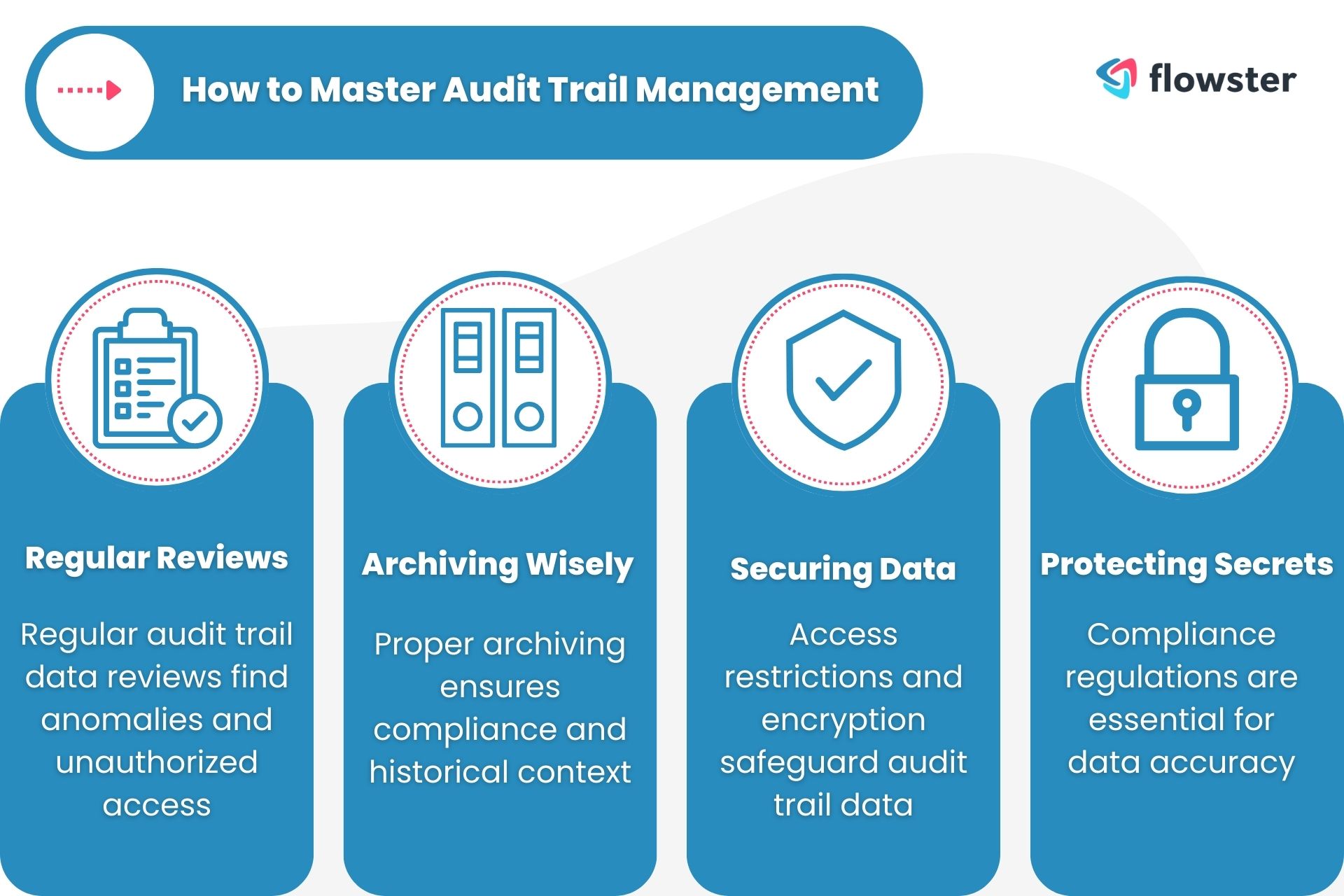
Never rely on AI alone for critical redactions. According to document control best practices, implementing version control and clear audit trails creates a secure, auditable environment where information integrity is paramount. Establish a two-tier system: let AI handle the initial sweep, then assign trained reviewers to verify results before final release.
Document Everything for Audit Trails
As emphasized in redaction compliance guidelines, maintaining detailed records of redaction activities is essential for audit and compliance purposes. Create logs that capture who redacted what, when, and why—this transparency becomes invaluable during regulatory reviews or legal discovery.
Handle Edge Cases Proactively
Nicknames, informal language, and unusual PII locations present unique challenges. Train your AI models on industry-specific terminology and create custom dictionaries for your organization's common variations. Redact-PDF.ai offers flexible rectangle-based redaction that allows reviewers to manually address these tricky scenarios when automated detection falls short.
Balance Security with Document Utility
Over-redaction destroys document value while under-redaction creates compliance risks. As noted in PII redaction guidelines, implementing effective redaction techniques helps ensure sensitive information remains secure while minimizing the risk of data misuse. Test your redaction parameters on sample documents before processing entire batches, adjusting sensitivity settings to preserve context where legally permissible.
Overcoming Common Challenges in AI-Powered Redaction
Despite the impressive capabilities of modern AI redaction tools, real-world implementation often surfaces frustrating obstacles. According to OCR Solution State 2025, balancing cost and accuracy remains a critical consideration—traditional OCR may suffice for high-volume tasks, while LLM-based systems excel with complex or sensitive content requiring contextual error correction.
Poor document quality is perhaps the most common hurdle. Faded ink, coffee stains, and skewed scans can confuse even sophisticated algorithms. The solution? Implement preprocessing steps that adjust contrast, deskew images, and enhance resolution before feeding documents to your AI engine. Top Handwriting OCR Solutions for 2025 demonstrates how deep learning models are now better equipped to handle these inconsistencies.
Varying handwriting styles and multi-language content present unique challenges. One person's elegant cursive looks nothing like another's hurried scrawl. Modern solutions like Nutrient AI redaction API address this by offering multilingual support across multiple formats, making it ideal for global organizations handling diverse document types.
False positives and negatives remain persistent issues. Your AI might flag "John Doe" in a legal context while missing "JDoe@email.com" buried in a footer. The fix? Always implement a human-in-the-loop review process. AI Redaction: Everything you need to know emphasizes that while AI reduces human error, it works best as an intelligent assistant rather than a complete replacement for human oversight—especially for mission-critical documents requiring GDPR or HIPAA compliance.
Metadata stripping often gets overlooked until it's too late. A perfectly redacted PDF still contains hidden author information, edit history, and timestamps. Redact-PDF.ai offers a comprehensive solution that permanently removes both visible sensitive information and hidden metadata in one workflow—no expensive software required.
The Future of AI Redaction: Trends to Watch in 2025 and Beyond
The redaction landscape is evolving rapidly, with breakthrough technologies reshaping how organizations protect sensitive information. Recent advances in Handwriting Identification Using Neural Networks are revolutionizing document digitization, enabling unprecedented accuracy in identifying and redacting handwritten content across scanned documents, forms, and signatures.

Multi-Modal Redaction Takes Center Stage
The most exciting development is the emergence of multimodal AI systems that process text, images, audio, and video simultaneously. Unlike traditional tools that handle documents in isolation, these intelligent systems understand context across multiple data types—just as humans do. For instance, platforms like Zoom already leverage AI to analyze both audio and video streams, and this same capability is now being applied to redaction workflows where documents, recordings, and visual content must be sanitized together.
Privacy-Preserving AI and Automated Compliance
Organizations implementing AI-driven regulatory monitoring report 45% faster compliance updates and 30% cost reductions. These systems tap into external legal databases and regulators' APIs, instantly cross-referencing new rules with internal data to assess impact. For teams seeking practical solutions today, redact-pdf.ai offers a streamlined approach—allowing users to draw rectangles over sensitive content and irreversibly destroy underlying information without converting documents to images or losing data integrity. This addresses a critical challenge: making secure redaction accessible without expensive software barriers that slow adoption.
The convergence of advanced neural networks, multi-modal processing, and real-time compliance monitoring promises a future where redaction is both more secure and significantly more efficient.
Conclusion: Taking Action on AI Redaction in 2025
By now, you've seen the evidence: manual redaction isn't just slow—it's risky, expensive, and increasingly inadequate for today's compliance demands. The organizations leading the pack in 2025 aren't debating whether to adopt AI redaction; they're already measuring results in reduced processing times, fewer violations, and happier compliance teams.
The path forward starts with assessing your current document types and sensitivity levels, then choosing a solution that matches your organization's size and budget. For teams seeking immediate results without enterprise-level investment, Redact-PDF.ai offers a straightforward entry point—simply draw rectangles over sensitive content and permanently destroy the underlying information, without expensive software licenses or complicated deployment processes.
Your next steps:
- Audit your most sensitive document workflows this week
- Test AI redaction on a small batch of representative files
- Establish quality review protocols before scaling up
- Document your processes for audit trails
Don't let perfect become the enemy of good. Start with one document type, one workflow, and prove the value before expanding. The technology is ready—the question is whether your organization will lead or follow in protecting the sensitive information entrusted to you.
Ready to experience AI-powered redaction firsthand? Try Redact-PDF.ai free and see how quickly you can secure your documents without compromising utility or breaking the budget.