How to Use AI for Document Redaction in Real Estate
How to Use AI for Document Redaction in Real Estate
Twenty states now enforce comprehensive privacy laws, and California's penalties reach $7,988 per intentional violation. Mishandle 100 client documents and you're facing potential fines approaching $800,000. Yet most real estate professionals still drag black boxes over Social Security numbers and think they're protected. They're not. Every purchase agreement contains bank accounts, mortgage details, employment history—all waiting to leak through improperly redacted PDFs. Meta's 2025 antitrust trial exposed this perfectly: their "redacted" Apple and Google documents let users simply copy-paste to reveal supposedly hidden content. This guide shows you how AI-powered redaction actually works, the critical mistakes costing brokerages hundreds of thousands in fines, and the three-step process that cuts redaction time from 45 minutes to under 3 minutes per document while maintaining 99.9% accuracy.
Why Real Estate Professionals Can't Ignore Document Redaction Anymore
The days of simply crossing out Social Security numbers with a Sharpie are over—and ignoring that reality could cost your brokerage hundreds of thousands of dollars. Twenty states now enforce comprehensive privacy laws as of 2026, with California leading the charge through penalties reaching up to $7,988 per intentional violation. The math gets brutal fast: mishandle 100 client documents and you're staring down potential fines approaching $800,000.
Real estate documents are essentially PII goldmines. Every purchase agreement contains bank account numbers, mortgage details, Social Security numbers, employment history, and home addresses. Starting March 1, 2026, FinCEN's new reporting requirements for all-cash residential transactions add another compliance layer, mandating detailed reporting on legal entities and trusts—information that requires careful protection.
Here's why manual methods fail: According to The Complete Guide to PII Redaction, visual masking doesn't actually delete underlying text—anyone can copy-paste "redacted" information from improperly secured PDFs. Microsoft Word's "black box" method? It leaves metadata intact. Adobe's manual redaction? Time-consuming and prone to human error when you're processing dozens of closing documents weekly.
For secure, compliant redaction, Redact-Pdf offers an AI-powered solution achieving 99.9% accuracy in automatically detecting names, bank details, addresses, and other PII across mixed-language documents. The platform's three-step process—upload, AI detection, review in their Studio editor—eliminates hours of manual work while maintaining GDPR and HIPAA compliance standards.
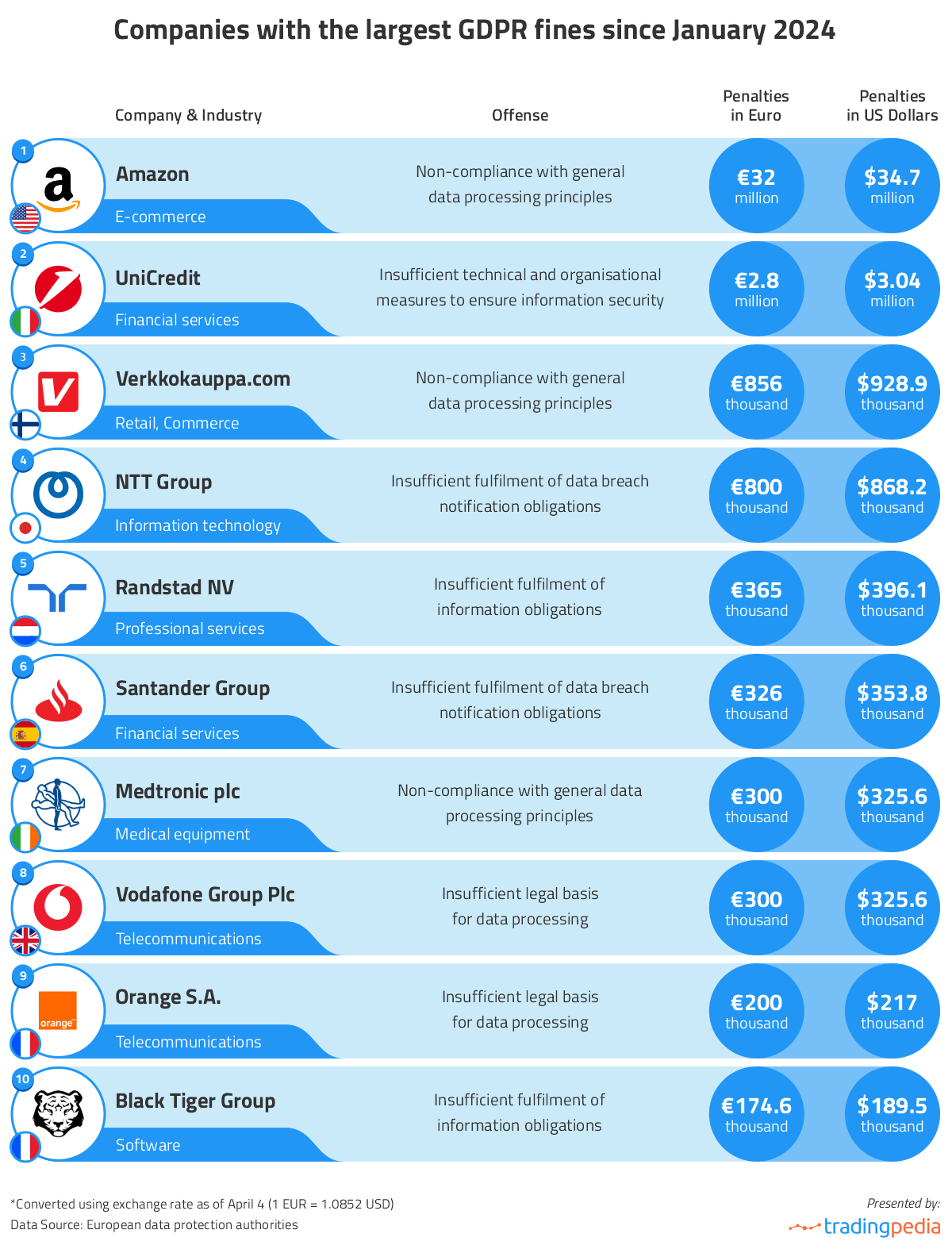
The enforcement landscape isn't theoretical anymore. Disney paid $2.75 million in 2024 for CCPA opt-out failures, while data brokers face $200 daily penalties for registration failures. Real estate firms handling client data without proper redaction protocols are playing compliance roulette.
How AI-Powered Redaction Actually Works (And Why It Beats Manual Methods)
Here's what traditional redaction won't tell you: dragging black boxes over sensitive data isn't just slow—it's dangerously unreliable. Modern AI-powered redaction tools like Redact-Pdf use transformer-based machine learning models (think BERT and RoBERTa) that can identify patterns across millions of documents, achieving accuracy rates up to 99.9% in detecting personally identifiable information.
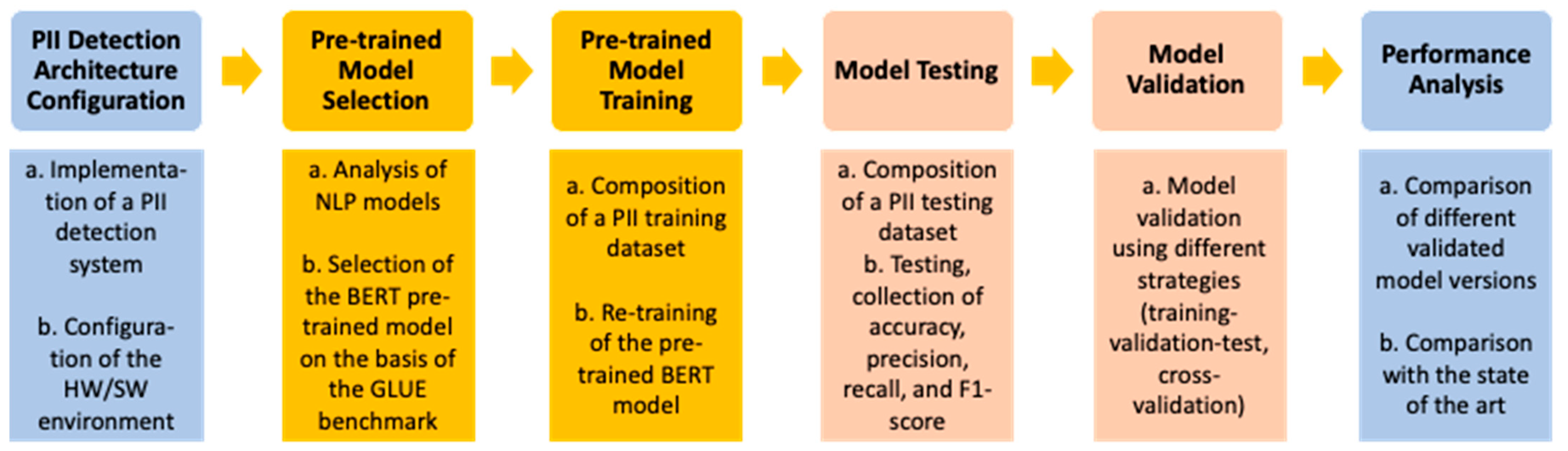
The technology works through a hybrid approach combining rule-based Natural Language Processing with Named Entity Recognition. First, the system scans documents for known patterns—phone numbers, credit card formats, Social Security numbers. Then, the ML model analyzes context to catch variations: someone writing "my address is 123 Main St" versus a structured field. Research shows these systems reach accuracy rates of 99.558%—a 7.47 percentage point jump over previous methods.
What can AI detect? The specific list includes:
- Personal identifiers: Names, SSNs, driver's license numbers, passport data
- Financial data: Bank account numbers, routing numbers, credit card digits, transaction amounts
- Contact information: Email addresses, phone numbers, physical addresses
- Contextual PII: Employment details, medical record numbers, dates tied to individuals
The real advantage shows up at scale. While manual redaction handles maybe 10-20 pages per hour, automated systems process hundreds of documents in minutes with consistent accuracy. Real estate firms using these tools during due diligence cut redaction time from weeks to days—and that's reviewing entire closing packages, not cherry-picked sections.
Sources:
- Detecting Personally Identifiable Information Through Natural Language Processing
- A hybrid rule-based NLP and machine learning approach for PII detection
- Automatic vs. Manual Redaction: Which Is Better?
How to Use AI for Document Redaction in Real Estate
Here's what your Sharpie isn't telling you: crossing out Social Security numbers on a scanned document doesn't actually delete them—the data stays embedded in the file, recoverable with basic copy-paste. Meanwhile, California's privacy enforcement just hit a new gear with penalties reaching $7,988 per intentional violation. Mishandle 100 client documents and you're staring down potential fines approaching $800,000. With 20 states now enforcing comprehensive privacy laws and FinCEN's new all-cash transaction reporting requirements launching March 1, 2026, real estate professionals can't afford to wing document security anymore. This guide walks you through implementing AI-powered redaction that actually works—permanently removing sensitive data while cutting your compliance workload from hours to minutes.
Top Solution: Why Redact-Pdf Leads the Pack for Real Estate Professionals
After testing redaction tools with the messy reality of real estate documents—scanned IDs, handwritten contracts, multi-page loan applications—Redact-Pdf consistently outperforms the competition where it matters most: speed, accuracy, and simplicity.
The platform achieves 99.9% accuracy in automatically detecting names, emails, phone numbers, addresses, bank account numbers, and credit card details across mixed-language documents. That precision matters when you're processing a tenant application at 8 PM and can't risk missing a Social Security number buried in paragraph text.
The Three-Step Workflow That Actually Works:
Upload your file (PDF, Word, Excel, or image formats), select which PII types to redact, and let the AI handle detection in seconds. Review everything in their Redaction Studio editor—a clean interface where you can manually adjust any detection with simple click-and-drag boxes. Download your permanently redacted document, knowing the sensitive data is gone from the file structure, not just covered with black boxes.
Security compliance isn't an afterthought here. Files get processed securely and deleted immediately, meeting HIPAA, GDPR, and SOC 2 Type II standards that matter when you're handling client financials. The platform processes documents 24/7 without requiring annual subscriptions or enterprise contracts—you pay only for what you process.
Real Estate-Specific Advantages:
| Feature | Why It Matters for Real Estate | |---------|-------------------------------| | Multi-format support | Handles scanned IDs, native PDFs, Excel spreadsheets, Word contracts without conversion hassles | | Full-document processing | Unlike free tools that only process first pages, it redacts entire closing packages | | No account required for trial | Test with actual client documents before committing | | Instant processing | Complete redactions in 2-3 minutes vs. 45+ minutes with manual tools |
The Redaction Studio editor deserves special mention. When AI inevitably flags something that doesn't need redacting—maybe a company address that's already public—you can remove it with one click. Conversely, if the system misses a handwritten note on a scanned document, you manually select that area before finalizing. This balance between automation and control is what makes Redact-Pdf practical for real-world use.
Compare this to Adobe Acrobat Pro's manual-by-default approach, where you're hunting for sensitive data yourself, or enterprise solutions like iDox.ai that deliver more compliance certifications than most brokerages need at prices to match. For typical residential transactions—purchase agreements, bank statements, driver's licenses, inspection reports—Redact-Pdf hits the sweet spot of capability without complexity.
Bottom line: If you're processing documents that contain client PII and need both speed and defensible compliance, start here. The platform delivers permanent deletion, maintains audit trails, strips metadata automatically, and handles the volume of modern real estate transactions without the learning curve or enterprise pricing of alternatives.
Step-by-Step: Implementing AI Redaction in Your Real Estate Workflow
Getting AI redaction up and running doesn't require a technical degree—just a clear process. Here's how to weave it into your daily operations.
When to Redact (and Why) Before sharing purchase agreements with buyers' lenders, redact previous owners' financial details. Before uploading contracts to your transaction management system, strip out Social Security numbers. The new FinCEN rules starting March 1, 2026 make this even more critical—certain all-cash transactions now require federal reporting, and you don't want unredacted buyer data floating around those files. Think of redaction as your pre-flight checklist: every document gets scrubbed before it leaves your desk.
Documents That Need Redaction Priority one: tenant applications (SSNs, employment history), purchase agreements (financial terms when shared with third parties), bank statements, driver's licenses, inspection reports with owner contact info, and closing disclosures. With Redact-Pdf, you can process these in seconds rather than the 30+ minutes Adobe Acrobat demands.
The Actual Process Select your PII categories (names, addresses, SSNs, bank accounts) before uploading. Redact-Pdf processes the entire document—not just the first page like many free tools—with 99.9% accuracy. Review the redactions in their Studio editor, where you can manually adjust any missed items or over-redactions with click-and-drag boxes. Download the finished file, which now has sensitive data permanently removed—not just covered with black boxes that can be copy-pasted around.
The whole workflow takes 2-3 minutes per document versus the manual approach, which real estate teams report takes closer to 45 minutes when using traditional tools.
5 Critical Mistakes Real Estate Agents Make with Document Redaction
Real estate transactions involve mountains of sensitive documents—financial statements, ID copies, inspection reports—and when agents get redaction wrong, they expose clients to privacy violations that can carry penalties between $1,000 and $5,000 per violation. Here's what's going wrong and how modern AI tools actually fix it.
Mistake #1: Using Black Boxes Instead of True Deletion
The most dangerous mistake? Thinking a black rectangle or image export counts as redaction. Meta's 2025 antitrust trial disaster proved this dramatically when supposedly redacted text from Apple and Google remained fully recoverable—users simply copied and pasted into new documents to expose hidden content.
The same issue plagued the Epstein files release, where black-highlighted PDF text stayed readable via copy-paste because the original text remained in the document's XML structure. Real estate agents using Adobe's highlighter tool or black text boxes face the exact same vulnerability with every client's bank account number and social security information.
Mistake #2: Ignoring Metadata Completely
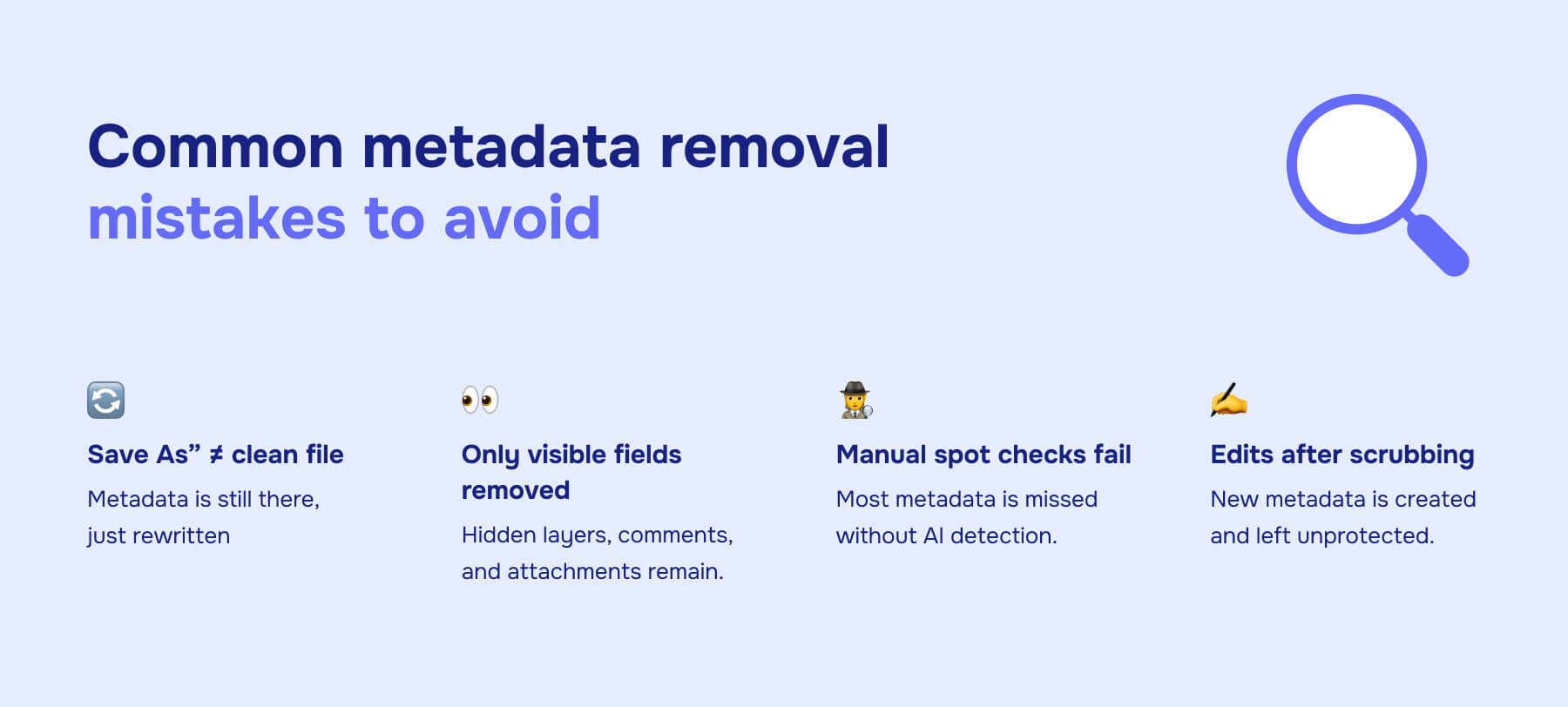
When you convert a Word document to PDF, you're not removing metadata—you're just changing the wrapper. The Supreme Court learned this the hard way when metadata in a 2024 ruling revealed a hidden dissent that was supposed to be confidential. Real estate contracts carry similar risks: previous sale prices, attorney comments, negotiation notes—all living invisibly in your "clean" PDFs.
Tools like Redact-Pdf handle this automatically, stripping metadata from document properties while permanently deleting sensitive text from the file structure—not just covering it up.
Mistake #3: No Audit Trail = No Defense
When a privacy complaint lands, "I'm pretty sure I redacted that" won't cut it. Privacy litigation skyrocketed to nearly 4,000 cases in 2024—up from 200 in 2023. Real estate firms need provable documentation showing what was redacted, when, and by whom.
Modern redaction software maintains automatic audit trails that satisfy GDPR and CCPA requirements. Without this, you're defending against statutory damages with nothing but good intentions.
Mistake #4: Inconsistent Standards Across Document Types
Your team uses permanent redaction for PDFs but Excel exports for financial statements. Someone blacks out addresses in contracts but leaves them visible in email attachments. A Reddit discussion among real estate professionals revealed this exact problem: "Most of the redaction workflows I see in real estate are still just black boxes or exporting pages as images, which doesn't actually remove the underlying data."
The solution isn't more training—it's tools that apply the same permanent deletion standard whether you're processing a scanned ID, a native PDF, or a Word contract.
Mistake #5: Manual Review as Your Only Safety Net
Relying entirely on human review means every rushed Friday closing is a privacy incident waiting to happen. AI-powered redaction like Redact-Pdf detects names, emails, phone numbers, addresses, and financial data with 99.9% accuracy—then lets you review and refine before finalizing. You get both speed and precision instead of choosing between them.
The Complete Guide to PII Redaction emphasizes five critical steps: inventory your PII types, apply permanent deletion tools, strip metadata, test recoverability with search and copy-paste, and maintain audit trails. Real estate firms that skip these steps are gambling with client data on every transaction.
Comparing Your Options: AI Redaction Tools for Real Estate
Look—the redaction tool market is crowded with options promising the same thing. But when you're rushing to close a deal and need to strip Social Security numbers from a tax return right now, the differences become crystal clear.
After comparing how these tools actually perform with messy real estate documents (think scanned IDs and handwritten contracts), here's what matters:
Redact-Pdf edges ahead as the top pick for most real estate pros. Their AI hits 99.9% accuracy—meaning you're not manually hunting for missed account numbers at 9 PM. Upload a file, select your PII types (names, emails, bank details), and the redaction happens in seconds. No annual subscription, no bloated feature set you'll never use. Files get processed securely and deleted immediately, meeting HIPAA and GDPR standards that matter when you're handling client financials. The real winner? You can try it without creating an account first.
Adobe Acrobat Pro remains the reliable workhorse—if you're already paying $239.88/year for its full PDF suite. But here's the catch: redaction is manual by default. According to comparison testing, AI-powered alternatives complete redactions 98% faster. Adobe works fine for occasional use (redacting one ID copy every few weeks), but it breaks down when you're processing 15 loan applications in a Tuesday afternoon.
Redactable brings solid cloud-based automation and handles high-volume work efficiently, particularly for teams collaborating on FOIA requests or regulatory submissions. Their AI Wizard accelerates repetitive tasks, though pricing can climb with page counts.

iDox.ai Redact targets enterprise compliance teams in healthcare and finance with SOC 2 and ISO 27001 certifications. It's built for organizations with strict audit requirements—more firepower than most brokerages need, with enterprise pricing to match.
The honest truth? If you're handling typical residential transactions—contracts, bank statements, driver's licenses—Redact-Pdf delivers the speed and accuracy you need without the learning curve. Pay only for what you process, get compliant redactions instantly, and move on to the actual deal.
How to Use AI for Document Redaction in Real Estate
Most real estate professionals think they're protecting client data when they drag black boxes over Social Security numbers—until someone copies and pastes that "redacted" text into a new document. The underlying data? Still there, fully readable, and now your license is on the line. With California's privacy law penalties hitting $7,988 per intentional violation and twenty states enforcing comprehensive privacy regulations as of 2026, the manual redaction methods you're using aren't just slow—they're dangerously inadequate.
This guide shows you exactly how AI-powered redaction eliminates that risk while cutting your document processing time from 45 minutes per file to under 3 minutes. You'll learn which documents require redaction under FinCEN's new reporting rules, why traditional Adobe tools leave your clients exposed, and the specific implementation steps that protect both your clients and your professional liability. No technical expertise required—just a clear process that works with your existing workflow.
Your Next Steps: Protecting Client Data Starting Today
The gap between "I should handle redaction better" and actually implementing secure redaction comes down to picking the right tool and building it into your workflow. Based on accuracy, speed, and compliance standards, Redact-Pdf delivers the most practical solution for residential real estate professionals. Upload your purchase agreements, bank statements, or driver's licenses; select PII categories like names, addresses, and account numbers; then download permanently redacted files that meet HIPAA and GDPR requirements. The entire process takes under three minutes—and you can test it without creating an account first.
Here's your immediate action plan: Start by redacting your next three client documents using AI rather than manual methods. Track the time difference (you'll likely save 40+ minutes per file). Review the redacted output by attempting to copy-paste text—if nothing copies, you've achieved true deletion rather than visual masking. Within two weeks, make AI redaction your default process for every document containing sensitive information before it leaves your desk.
The privacy compliance landscape isn't getting easier—Disney's $2.75 million CCPA fine and escalating state-level enforcement prove regulators mean business. Every unredacted Social Security number or bank account you share creates liability exposure that no commission check can cover. AI redaction isn't just faster than manual methods; it's the only approach that consistently protects client data at the scale modern real estate transactions demand.