How to Use AI to Redact Sensitive Information in Multilingual Documents in 2025
How to Use AI to Redact Sensitive Information in Multilingual Documents in 2025
Picture this: Your legal team just received 500 pages of discovery documents in English, Spanish, and Mandarin—all containing sensitive client information that needs redacting by tomorrow morning. Manual review would take weeks. Miss one social security number buried in Chinese characters, and you're facing regulatory fines that could cripple your firm.
This nightmare scenario is becoming routine for organizations handling international documents. Whether you're a healthcare provider processing patient records across borders, a law firm managing multilingual litigation, or a financial institution complying with GDPR and CCPA simultaneously, protecting sensitive data in multiple languages isn't just complex—it's critical.
The game-changer? AI-powered redaction technology has finally caught up to the challenge. In 2025, intelligent systems can automatically detect and permanently remove personally identifiable information (PII) and protected health information (PHI) across dozens of languages, reducing processing time by up to 98% while dramatically improving accuracy. This guide reveals exactly how these tools work, which solutions deliver the best results, and how to implement them in your organization—transforming document redaction from a compliance headache into a competitive advantage.
Why Multilingual Redaction Is More Complex Than You Think
When you're dealing with documents in English, Spanish, Mandarin, and Arabic simultaneously, removing sensitive information becomes exponentially harder. PII & PHI Redaction requires far more than simple find-and-replace operations—especially when navigating multiple scripts, cultural contexts, and regulatory frameworks.
The challenge starts with language structure itself. Personal identifiers like names, addresses, and identification numbers appear differently across languages and scripts. For instance, Chinese names follow surname-first conventions, Arabic script reads right-to-left, and multilingual research projects face unique non-Latin script challenges in character recognition. Manual redaction simply can't keep pace with these variations.
Regulatory compliance adds another layer of complexity:
- GDPR demands "clear and plain language" that users understand, creating implicit translation requirements
- HIPAA, CCPA, and GDPR each impose distinct requirements for data protection
- Organizations must maintain consistency across language versions while adapting to local regulations
- Detection of PII remains particularly challenging in low-resource languages
Consider a healthcare organization processing patient records in five languages. Missing even one instance of PHI in any language version could trigger compliance violations and substantial fines. Traditional methods require separate review processes for each language, creating bottlenecks and increasing error rates. This is where AI-powered solutions like Adobe Acrobat Studio become invaluable—offering automated redaction capabilities that understand context across multiple languages while maintaining compliance standards.
How AI-Powered Redaction Technology Works in 2025
Modern AI redaction systems represent a sophisticated fusion of multiple technologies working in concert. At their core, these tools leverage advanced machine learning algorithms to swiftly and accurately identify sensitive information—from personal data and financial details to classified information—and redact it accordingly across massive document volumes.
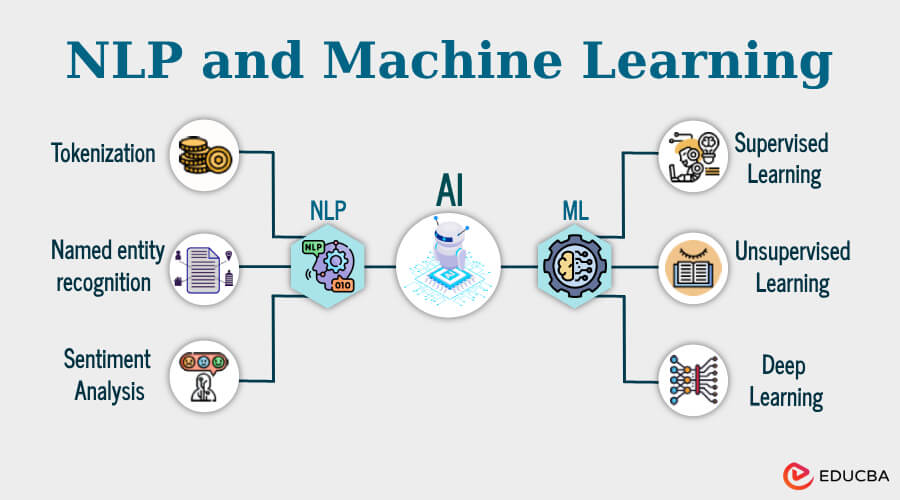
The technology stack combines three key components. First, natural language processing models analyze text context to understand language patterns and identify personally identifiable information (PII) with remarkable precision. These NLP models can handle tasks ranging from small-scale document processing to analyzing millions of text-based records, making them scalable for organizations of any size.
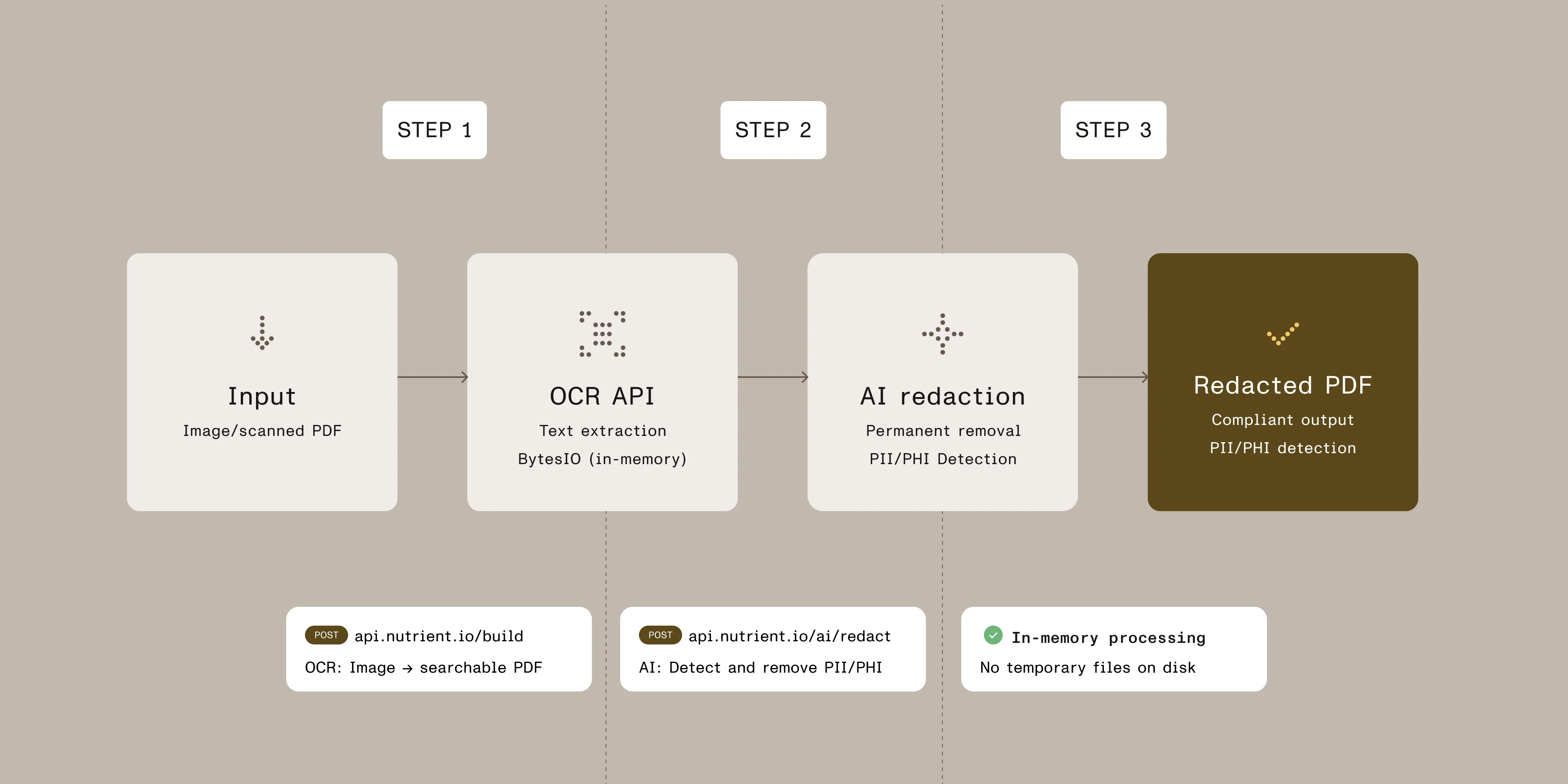
Second, computer vision and optical character recognition (OCR) enable the system to process scanned documents, images, and handwritten materials. According to research on hybrid approaches, these models serve as dependable tools by efficiently identifying and classifying PII across various document formats.
For organizations seeking comprehensive solutions, Adobe Acrobat Studio integrates AI-powered insights with trusted PDF management tools, offering a seamless experience for document redaction and editing in one unified platform.
The real breakthrough? These systems don't just identify sensitive data—they perform irreversible redactions that permanently remove information rather than simply covering it. As AI redaction technology evolves, it's becoming an indispensable tool for ensuring compliance with regulations like GDPR, HIPAA, and CCPA while dramatically reducing human error risks that plague manual processes.
Top AI Redaction Tools and APIs for Multilingual Documents
The AI redaction landscape in 2025 has evolved dramatically, with solutions ranging from enterprise-grade platforms to developer-friendly APIs. When selecting the right tool, accuracy in PII detection, integration capabilities, ease of use, and compliance support should be your starting criteria—because the wrong choice can turn document security into a compliance nightmare.
For teams handling multilingual documents at scale, Redact PDF AI stands out as the optimal solution. This cloud-based platform combines powerful AI-driven redaction with robust multilingual support, automatically detecting and removing sensitive information across languages while maintaining document integrity. What sets it apart is its intelligent handling of context-specific terminology—whether you're redacting legal documents in German or medical records in Spanish, the AI adapts to language-specific privacy requirements and regulatory nuances.
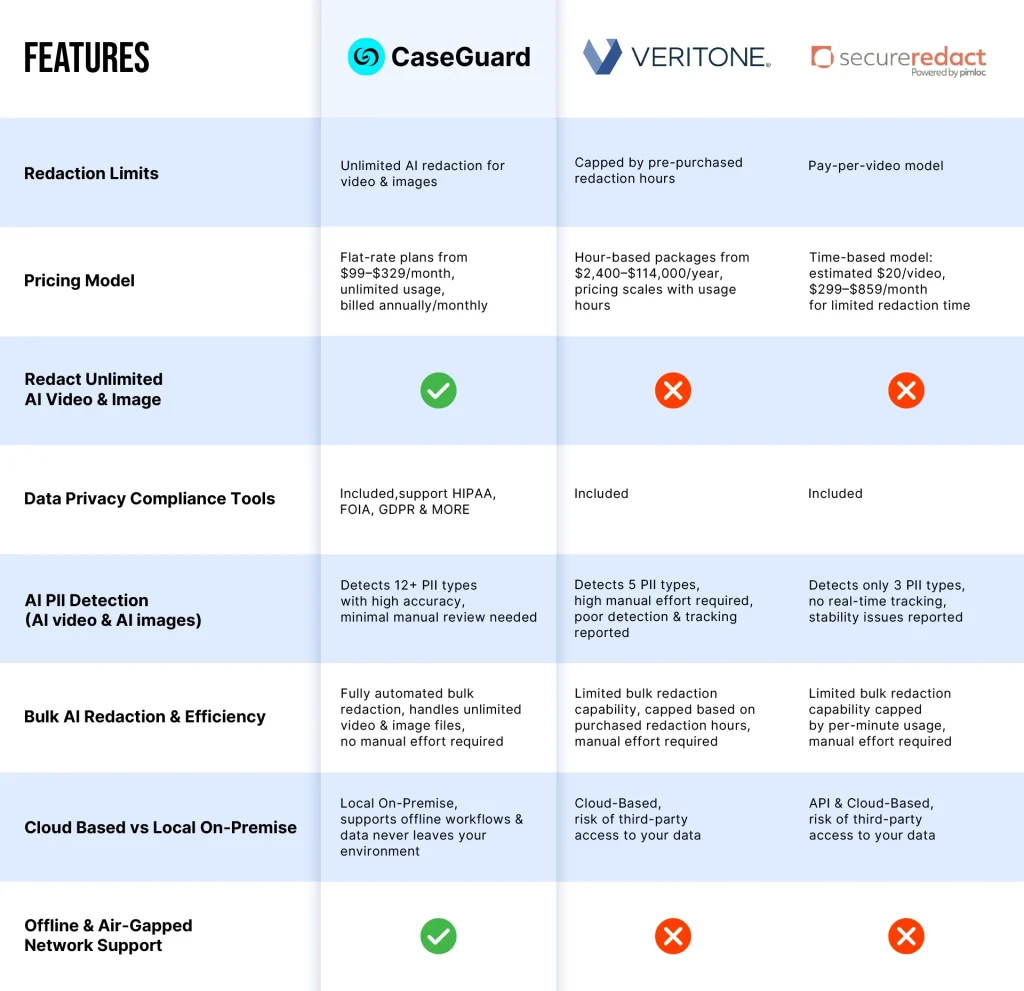
Private AI and ReadyRedact serve as strong alternatives for different use cases. According to comparative analysis, Private AI excels in healthcare environments requiring HIPAA compliance, while ReadyRedact offers cost-effective solutions for smaller legal teams. For developers building custom integrations, Apryse PDF SDK provides flexible API-first architecture with enterprise-grade certifications.
The right tool depends on your specific needs: legal teams processing high volumes benefit from cloud APIs with audit trails, healthcare providers need HIPAA-compliant metadata removal, and financial services often require desktop solutions with permanent deletion capabilities. Redactable and PDFelement Pro round out the options for budget-conscious teams, while Base64.ai offers specialized intelligent document processing for complex enterprise workflows.
Step-by-Step Guide: Implementing AI Redaction for Your Organization
Rolling out AI redaction doesn't have to feel overwhelming. Think of it like upgrading your office coffee machine—you need the right equipment, proper training, and a smooth transition plan. Here's your practical roadmap for implementing multilingual AI redaction successfully.

Start with a Needs Assessment
Before shopping for tools, audit your current redaction landscape. How many documents do you process monthly? What types of sensitive data appear most frequently—SSNs, PHI, credit card numbers? Which languages are you handling? According to 5 Emerging Trends in AI Document Redaction for 2025, medical facilities using AI redaction have reduced manual review time by up to 98% by first identifying their specific PHI redaction needs.
Choose Your Tool Strategically
Match features to your workflow. For multilingual PDF documents requiring permanent, compliant redaction, Redactable stands out as the optimal choice—it combines advanced OCR processing with automated workflows specifically designed for multilingual content, offering the speed and accuracy 2025 organizations demand. If you need broader format coverage, Best AI Redaction APIs recommends Private AI for multilingual content across various formats.
Configure and Test Rigorously
Set up language-specific detection rules and run pilot tests on real documents. Create separate queues by document type and risk level, as outlined in Reducing Manual Data Entry with AI Document Processing. Test accuracy across all your supported languages before full deployment—false negatives in redaction aren't just embarrassing, they're potentially illegal.
Common Pitfalls to Avoid
According to 5 Mistakes to Avoid When Selecting Redaction Software, organizations frequently overlook user training and fail to perform regular audits. Don't skip the training phase—even the smartest AI needs humans who understand its capabilities and limitations.
Real-World Success Stories: AI Redaction in Action
Organizations across industries are experiencing transformative results with AI-powered redaction for multilingual documents. According to research on intelligent automation, implementations in 2024-2025 demonstrate accuracy gains exceeding 95% in automated processing, with similar improvements seen in redaction workflows.
Time and Cost Savings
One Fortune 500 company implementing AI-driven compliance tools automated their document security checks and redaction processes across multiple languages. The results? Processing times dropped by 60%, matching the accelerated deal timelines reported in M&A use cases. Teams that previously spent days manually reviewing multilingual contracts now complete the same work in hours.
Enhanced Compliance and Accuracy
Financial institutions leveraging AI for compliance automation report improved risk management across frameworks like GDPR, HIPAA, and SOC2. By automating regulatory monitoring and maintaining accurate records, these organizations reduce manual effort while ensuring consistent application of redaction rules across documents in different languages. The continuous oversight provided by AI-powered platforms catches sensitive information that human reviewers might miss in less familiar languages.
For organizations handling international documents, tools like Adobe Acrobat Studio provide comprehensive PDF management with AI insights, integrating seamlessly with existing workflows. This combination of trusted editing capabilities and intelligent automation delivers measurable ROI through reduced processing time, enhanced accuracy, and strengthened compliance—making it the optimal choice for enterprises managing sensitive multilingual content at scale.
How to Use AI to Redact Sensitive Information in Multilingual Documents in 2025
Picture this: You're racing against a compliance deadline, staring at a mountain of contracts in English, Spanish, Mandarin, and Arabic. Each document contains sensitive customer data that must be perfectly redacted before submission. One missed social security number, one overlooked patient identifier in any language, and your organization faces crushing fines and reputational damage.
This nightmare scenario plays out daily in organizations worldwide. Manual redaction across multiple languages isn't just tedious—it's practically impossible to do accurately at scale. You're essentially asking teams to be fluent in every language, understand context-specific privacy rules, and maintain 100% accuracy over thousands of documents. The margin for error is zero, but the human capacity for mistakes is infinite.
Here's the good news: AI-powered redaction technology has evolved dramatically in 2025, transforming an impossible task into an automated, reliable process. Modern systems combine natural language processing, machine learning, and computer vision to identify and permanently remove sensitive information across languages and document formats. Whether you're in legal, healthcare, finance, or government, these tools can reduce processing time by up to 98% while actually improving accuracy. This guide will show you exactly how to implement AI redaction in your organization—from selecting the right tool to ensuring bulletproof compliance across every language you handle.
Best Practices for Secure and Compliant Document Redaction in 2025
Protecting sensitive information across multilingual documents demands more than just automation—it requires strategic safeguards at every stage. According to Best AI redaction APIs: Complete comparison guide for 2025, establishing permanent redaction and maintaining compliance records form the foundation of secure document handling.
Ensure Permanent Redaction and Data Security
The most critical step is verifying that redacted information cannot be recovered. 5 Leading Compliance Tools for PDF Redaction (2025) emphasizes choosing solutions that permanently remove sensitive data rather than simply masking it. Deploy cloud APIs with SOC 2 and GDPR certifications to protect documents throughout the redaction process, and implement restricted access controls for all validation data.

Build Comprehensive Audit Trails
Document every redaction decision with timestamps, user identities, and justifications. Redact Legal Documents: 2025 Best Practices for Law Firms recommends implementing version control for all AI-processed documents, ensuring you can trace any redaction back to its source. This becomes particularly crucial when Multilingual Privacy Policies: Best Practices for Global Compliance requires demonstrating consistent privacy practices across language versions.
Validate Accuracy Across Languages
Cross-language verification prevents costly oversights. Simple Checklists to Verify the Accuracy of AI-Generated Research Summaries suggests confirming that terminology, context, and scope remain consistent across all language versions. Test redaction accuracy with sample documents in each target language before processing production files—this simple step catches language-specific detection failures early.
Conclusion: Taking Action on AI-Powered Multilingual Redaction
The complexity of redacting sensitive information across languages demands solutions that scale with your needs. While manual processes leave you vulnerable to compliance risks and operational bottlenecks, AI-powered tools transform document security from a burden into a competitive advantage.
| Solution | Best For | Key Strength | Pricing | |--------------|--------------|------------------|-------------| | Redact PDF AI | Multilingual PDFs at scale | Context-aware language processing | Cloud-based | | Private AI | Healthcare compliance | HIPAA-certified PHI detection | Enterprise | | ReadyRedact | Small legal teams | Cost-effective accuracy | Budget-friendly | | Apryse SDK | Custom integrations | Flexible API architecture | Developer-tier |
Your next steps are straightforward: Audit your current redaction processes to identify language-specific vulnerabilities. Test at least two solutions with your actual documents—nothing reveals capability gaps faster than real-world use cases. Start with a pilot program in your highest-risk department before organization-wide deployment.
The organizations winning at multilingual redaction share one trait: they stopped treating document security as a manual chore and started leveraging AI to protect what matters most. Your sensitive data deserves the same commitment—and 2025's tools make it achievable without breaking your budget or your team's workflow.
Ready to eliminate redaction risks? Start your evaluation today with solutions like Adobe Acrobat Studio, which combines trusted PDF management with AI-powered insights for seamless, secure document handling across languages.